
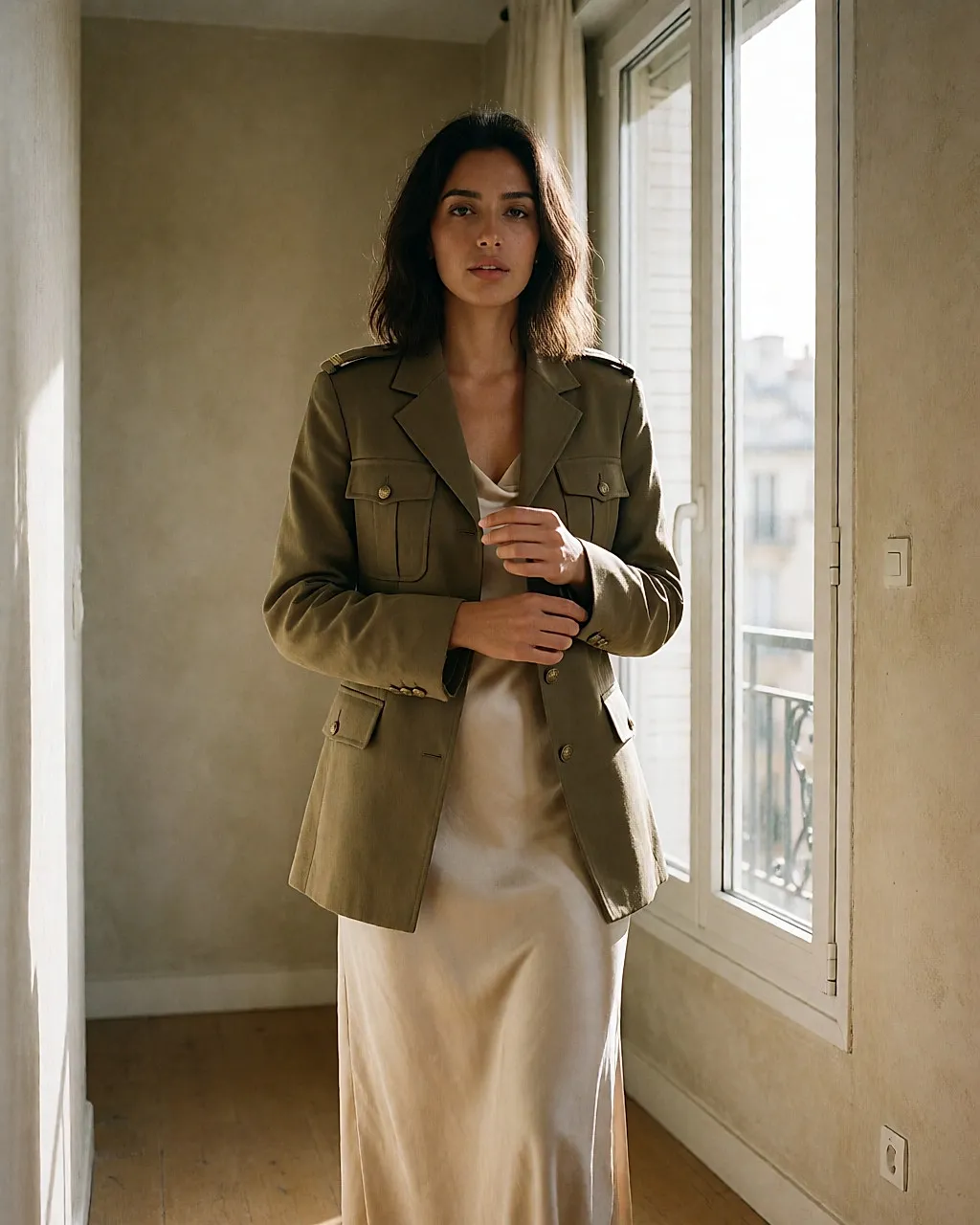
You've dug your khaki jacket out of the wardrobe and now you're standing in front of the mirror, wondering whether it looks too sensible, too cadet, not quite you? Good news: military style is back in our wardrobes, but never at face value. What matters isn't the uniform itself but the cut, the drape and the detailing. Focus on those and the whole look comes together.
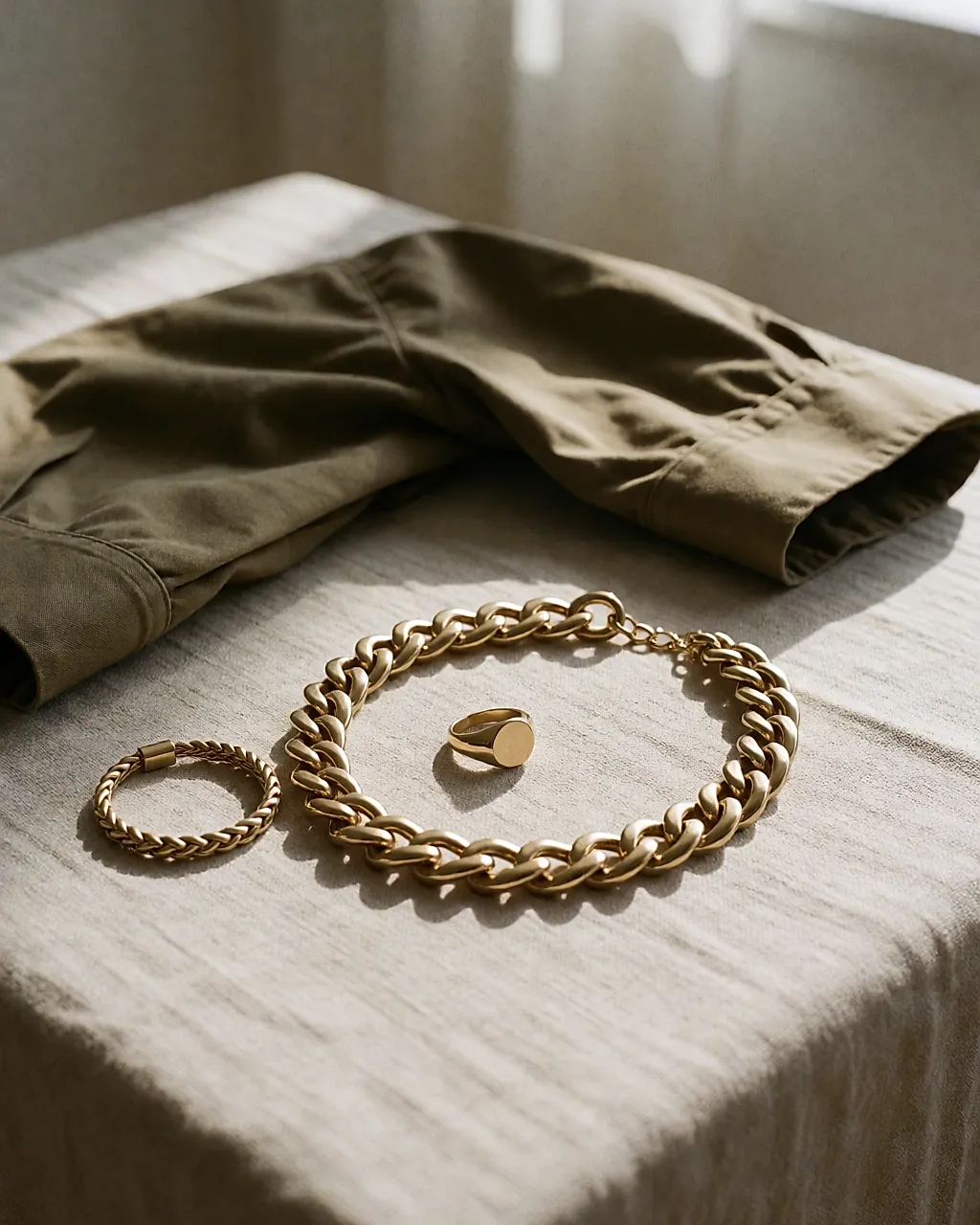
Think trims and tailoring, not combat gear
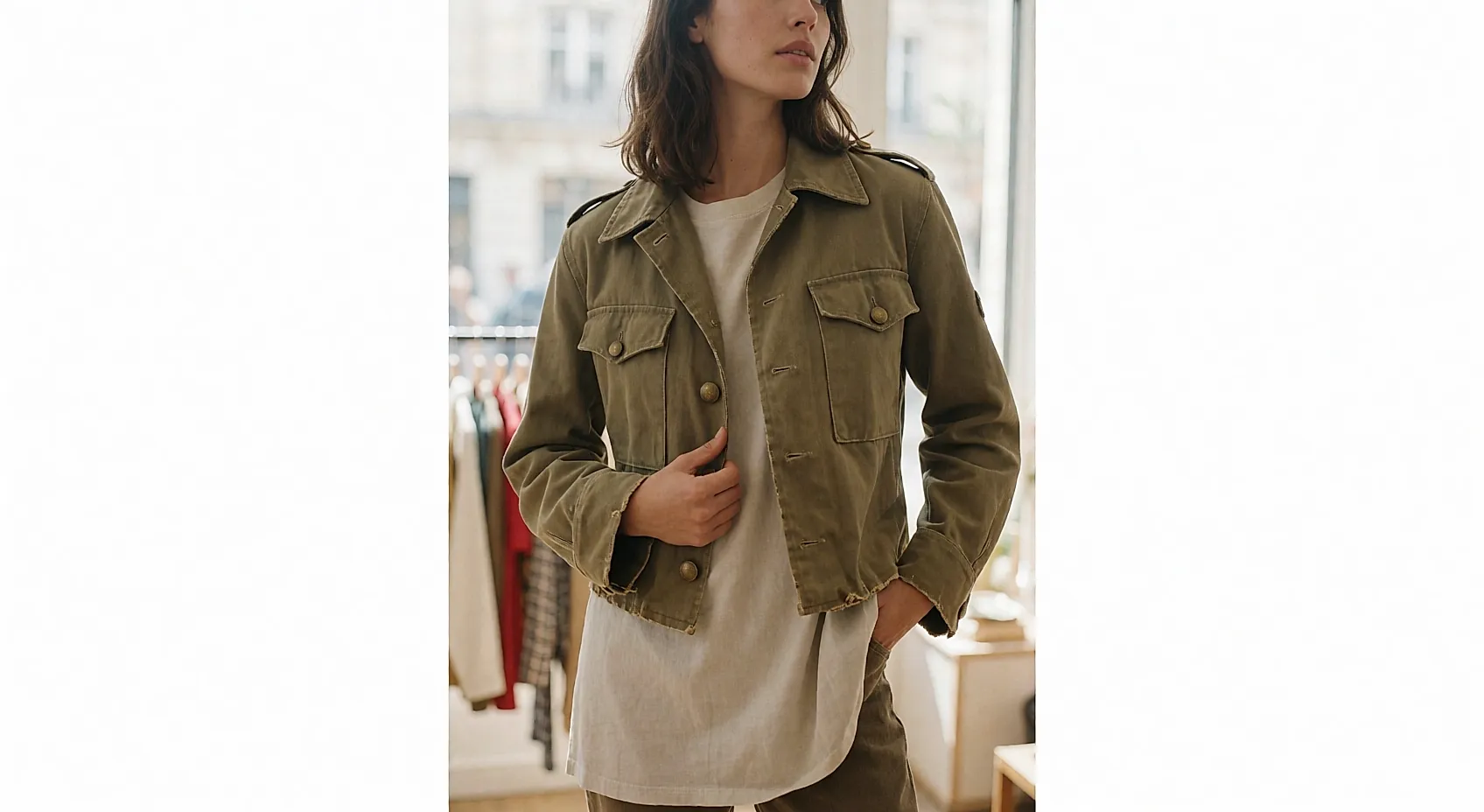
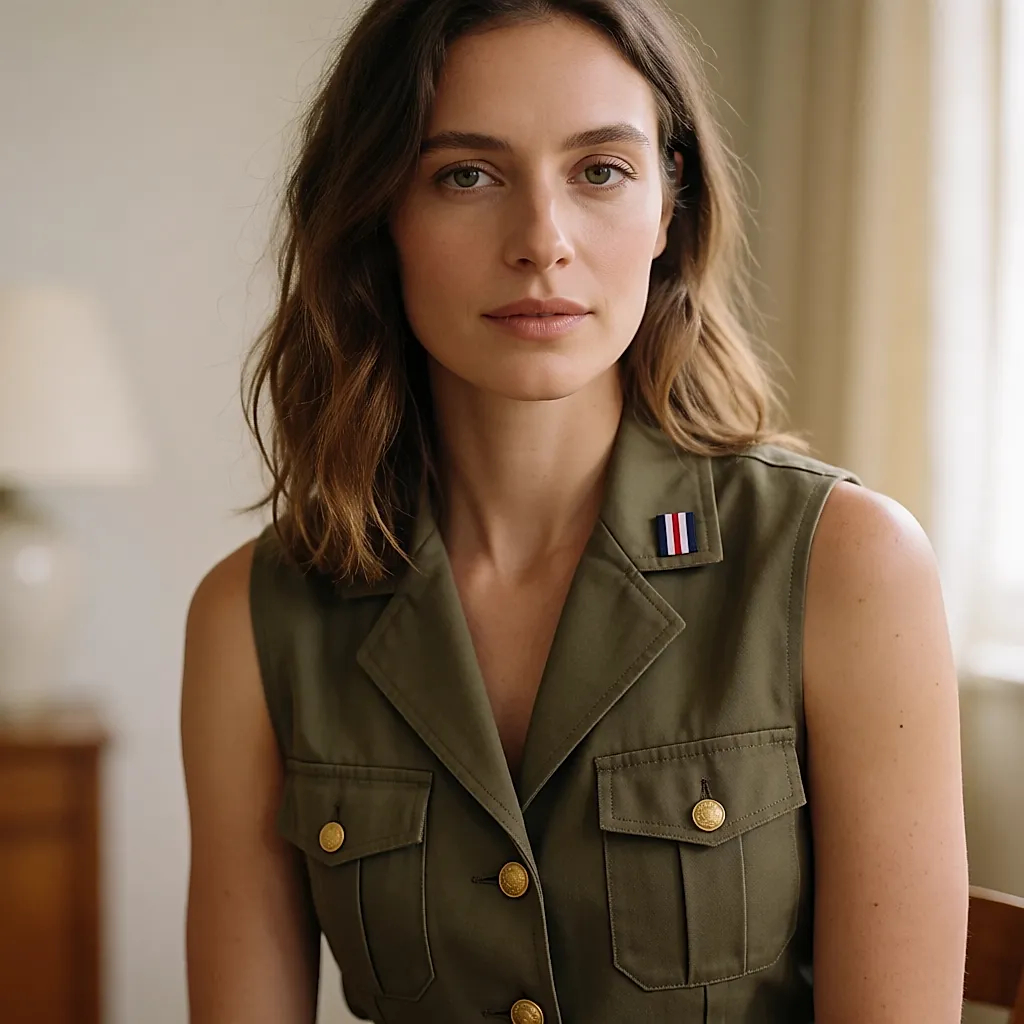
A neatly tailored jacket, shoulder tabs, gold buttons and braid trim on one sleeve: those four details are enough to set the tone. Everything else can be subverted. The formula is a silhouette that's structured on top and fluid below; the strict edge then takes care of itself. Try an officer-style jacket worn open over a satin dress: the satin's drape catches the light and softens the dry texture of cotton. It's that contrast in fabrics that keeps the full look coherent rather than costumed.
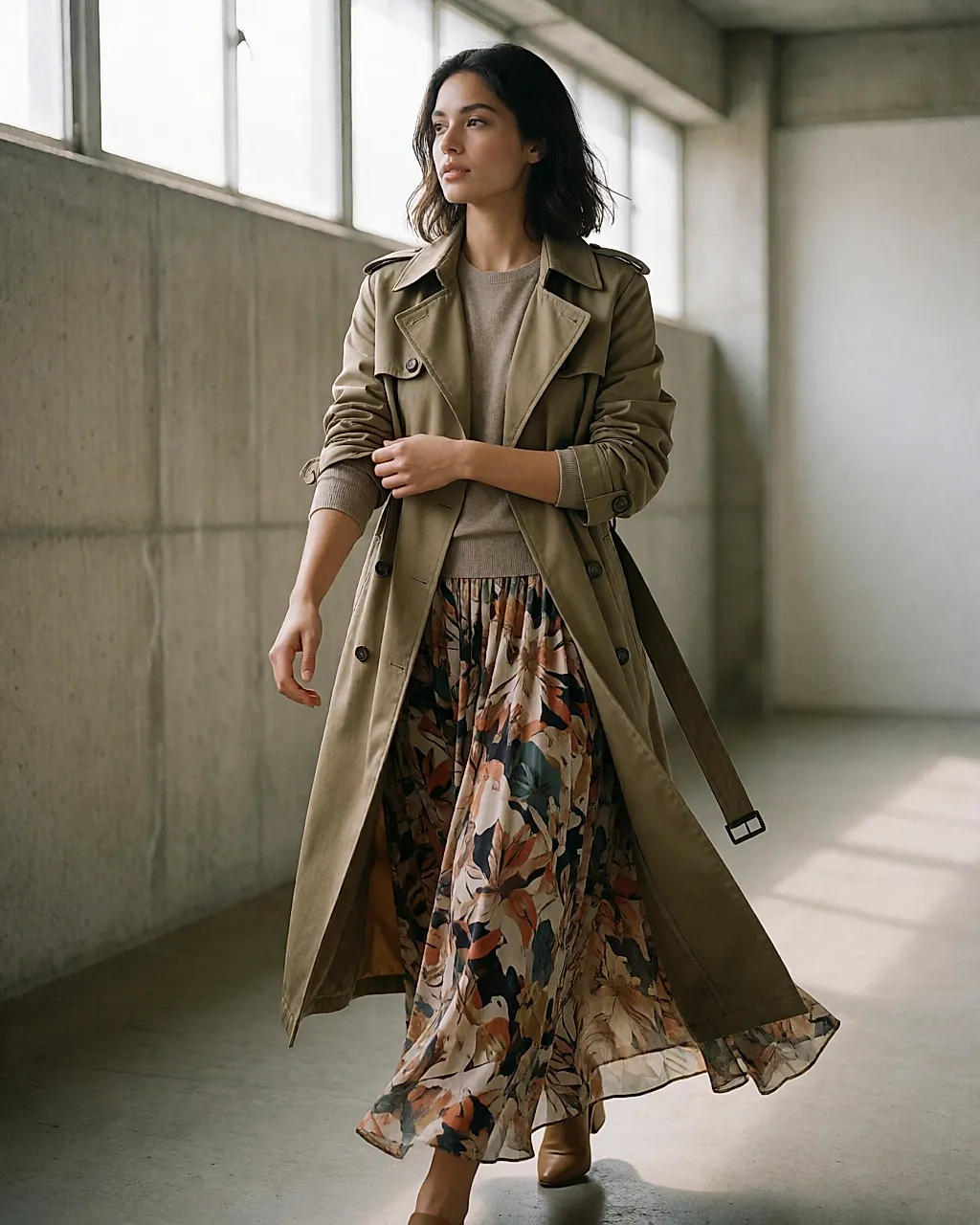
Let layering do the heavy lifting
Combat trousers worn on their own can tip into fancy dress very quickly. Add a sequinned top, a lace T-shirt or a fine poplin shirt underneath, and the regimental feel immediately fades. The rule is simple: one military piece per outfit. Two, and you've crossed into costume.
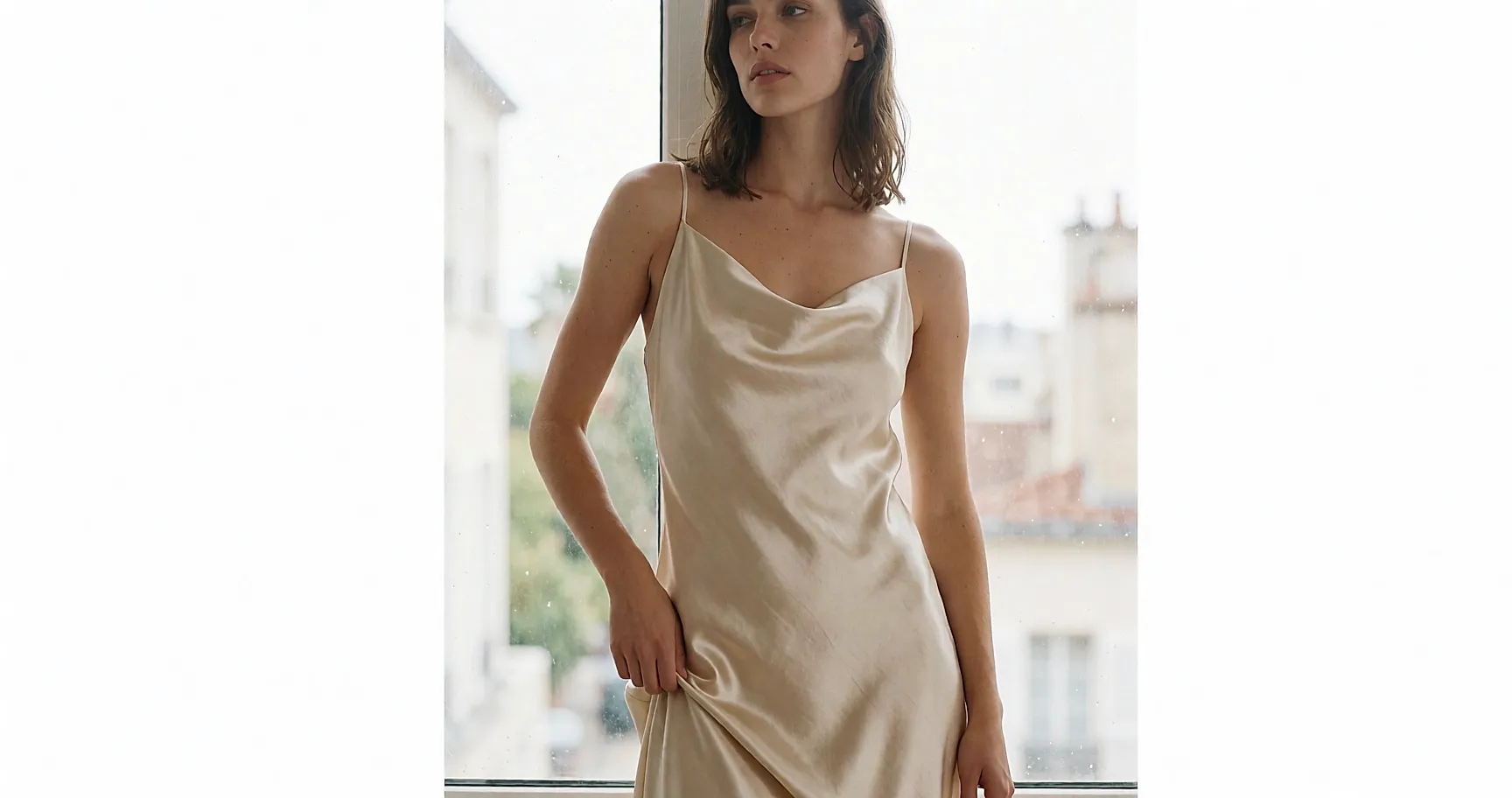
On colour, forget head-to-toe black. Khaki, sand and beige work all year round and go with almost everything you already own.
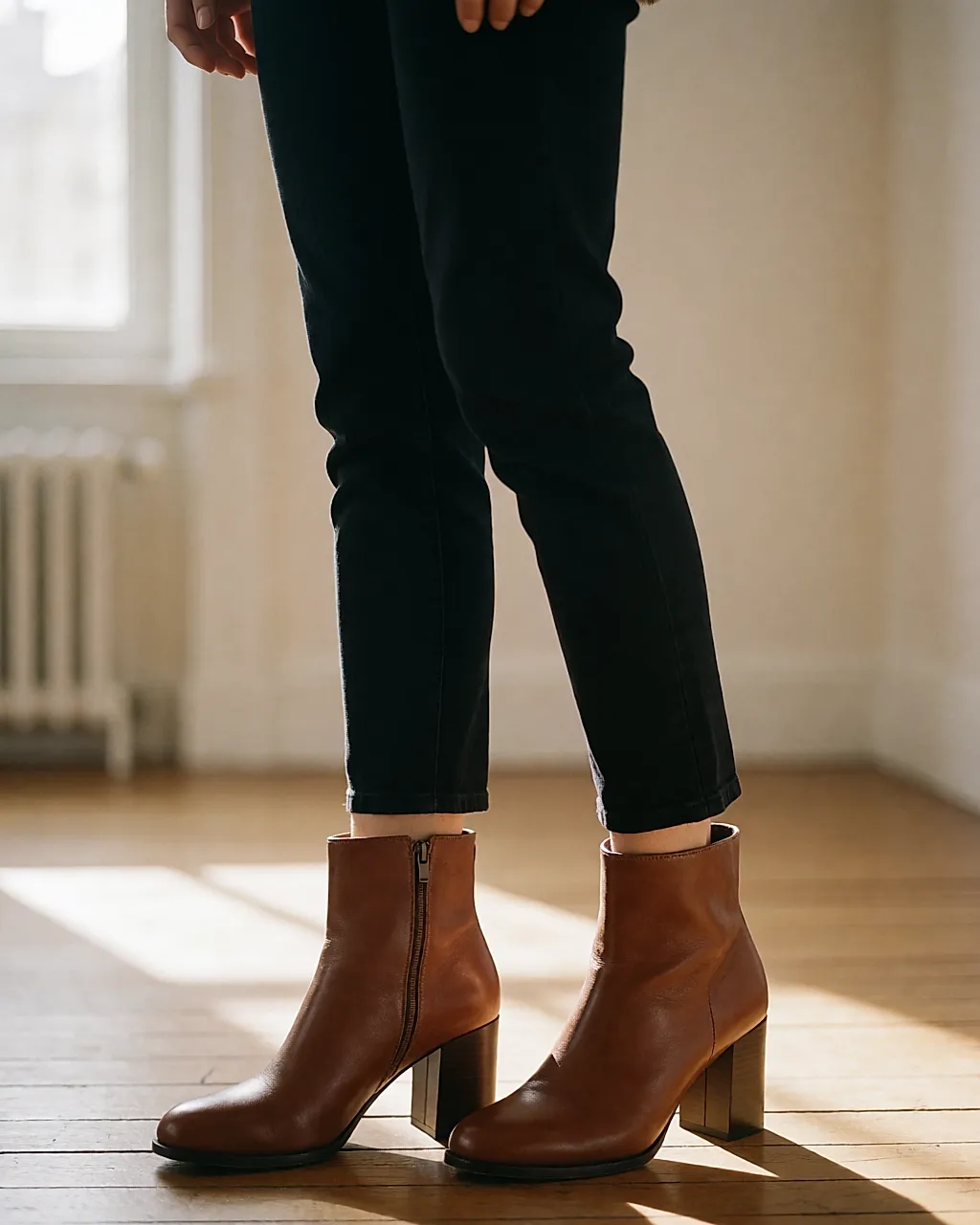
The details that make the difference
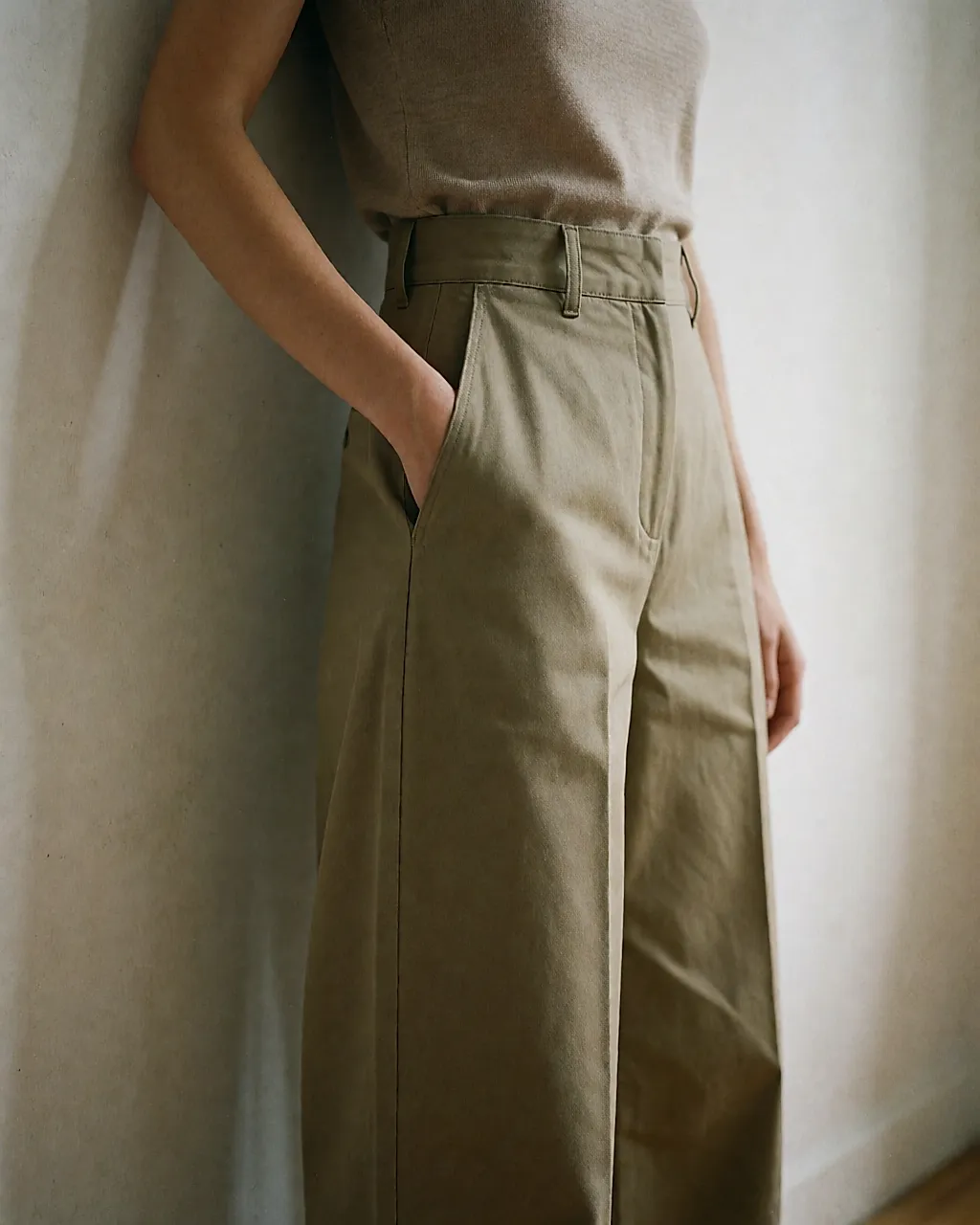
A braid-print dress does the job of a blazer without the bulk. Wide-leg, high-waisted cargo trousers stand in for classic combat trousers with a much more current cut. A canvas A-line skirt adds a statement piece, easy to style with a wide belt that defines the waist without weighing down the silhouette.
The mirror test: add your khaki jacket to an outfit you already wear. If you're hovering between cool and cadet, remove one military detail — the shoulder tabs or the belt, not both. And give the combat boots a miss: block-heel ankle boots or chunky loafers give the same grounded feel without the folklore.
Budget
Prices are a rough guide and will vary by retailer and stock.
- New military jacket: expect to pay somewhere between £60 and £250. Prices rise with the material (heavy cotton, wool), the finish of the buttons and where it was made.
- Second-hand jacket: £15 to £60 from charity shops, vintage shops or resale platforms. This is often where you find the best pieces, sometimes better cut than cheap new ones. It's the route worth remembering.
- Cargo or combat trousers: £40 to £100 on the high street and from online retailers.
- Braid-print dress: £40 to £120 depending on the brand and range.
- Canvas messenger bag: £30 to £150.
- Heeled ankle boots: £80 to £250, plus the cost of resoling later if the pair is worth it.
Why organic cotton and second-hand add up
If you're buying new, look for GOTS-certified organic cotton: the certification is a useful marker, but it should be considered alongside other criteria. That's also where second-hand makes sense: keeping an existing piece in use avoids producing a new one.
Natacha's advice: start with charity shops or online resale, and only add new pieces to your wardrobe if you can't find the right cut. A well-cut second-hand jacket remains a good compromise, and it's the piece to shop for first.
Comments
Your opinion matters: rate the article, react and reply to comments.
Comments are moderated; AI-assisted comments are flagged. Text emoticons (8-), :-), <3…) are automatically shown as images.