

A canvas bag is not a rain bag — unless the coating is genuinely doing its job. The distinction sounds fine; in a shop, it separates the tote you keep for three winters from the one relegated to the back of the wardrobe after the first serious shower. Four details can be checked in five minutes, with no test bench and no chemistry degree.
Check the coating before you trust the label
Turn the bag inside out. That is the first move, and the most revealing: the reverse should show a supple, even film, with no whitened creases or cracks in the corners. A coating that already marks when folded in the shop will not last long on bicycle handlebars. Run your hand over it: a surface that is distinctly tacky, or on the contrary brittle like glossy paper, often points to a layer applied too thinly.
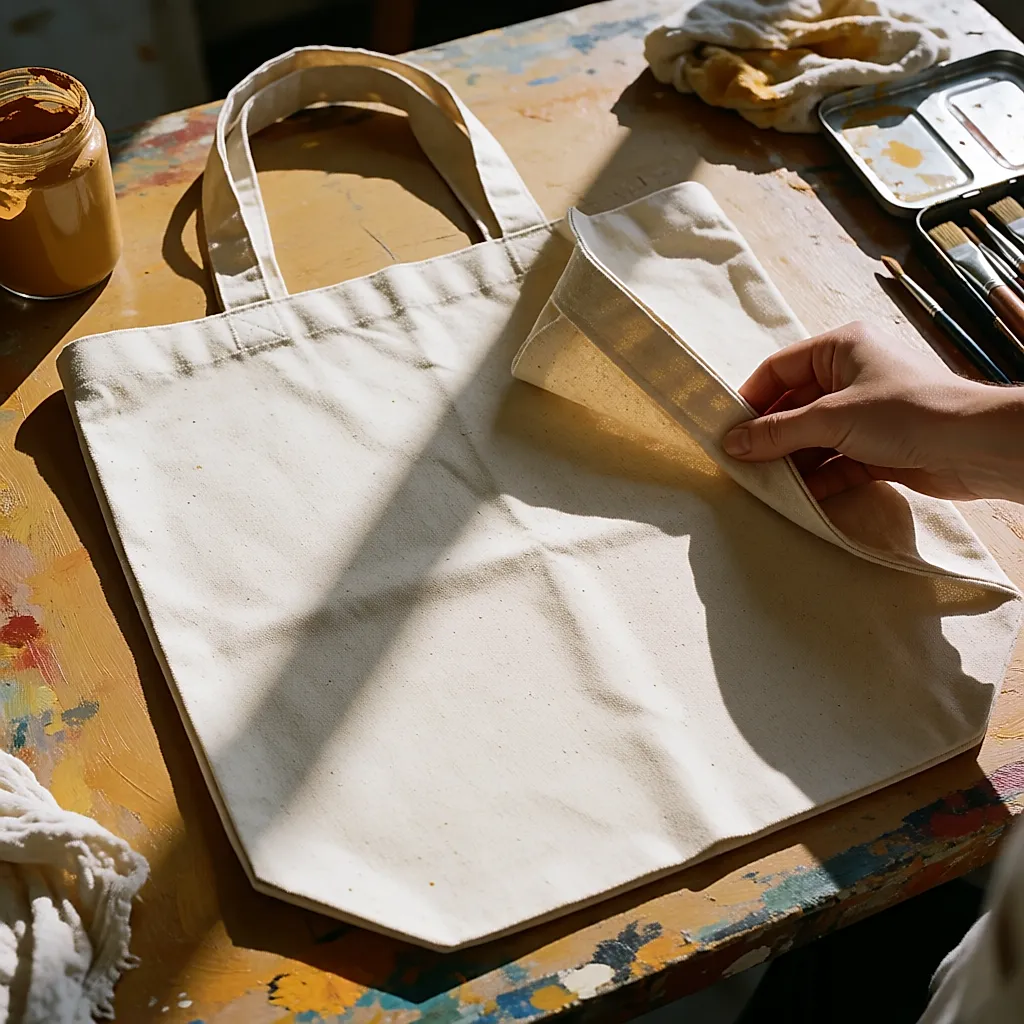
The word 'coated' covers two categories that are forever being confused. Classic coated canvas has a polymer coating — polyurethane, sometimes PVC — on a cotton or synthetic base: the fabric becomes water-repellent; the coating limits breathability and cannot be replenished like waxed cotton; the fabric can still sometimes be repaired, depending on the bag. Waxed cotton, by contrast, is cotton impregnated with wax or paraffin: matte, more natural-looking, and re-waxable. Neither is waterproof in the sense of a sailor's oilskin — water gets in through seams, the zip or a flap that is not properly closed. Hence the question to ask before you pay: do you want a bag that blocks the rain, or a bag that does not drink it? They are not the same specification, or the same price.
The flap matters as much as the material. A wide panel that falls firmly over the opening protects better than an exposed zip, whose teeth let water through. Do the test with your eyes closed: close the bag one-handed. If the flap gapes, or the zip catches halfway, you will regret it under a porch with your keys clamped between your teeth.
Stitching: the detail that gets overlooked
A bag lives or dies at its stress points: handle attachments, bottom corners, the base of the gussets. Tug gently on the handle — not to pull it off, just to see whether the stitching is working. Tight, regular stitches, backed by a bar tack where the bag pulls: that is what separates a serious finish from a purely decorative line. Corner seams are the first to give way, and the most annoying to have repaired.
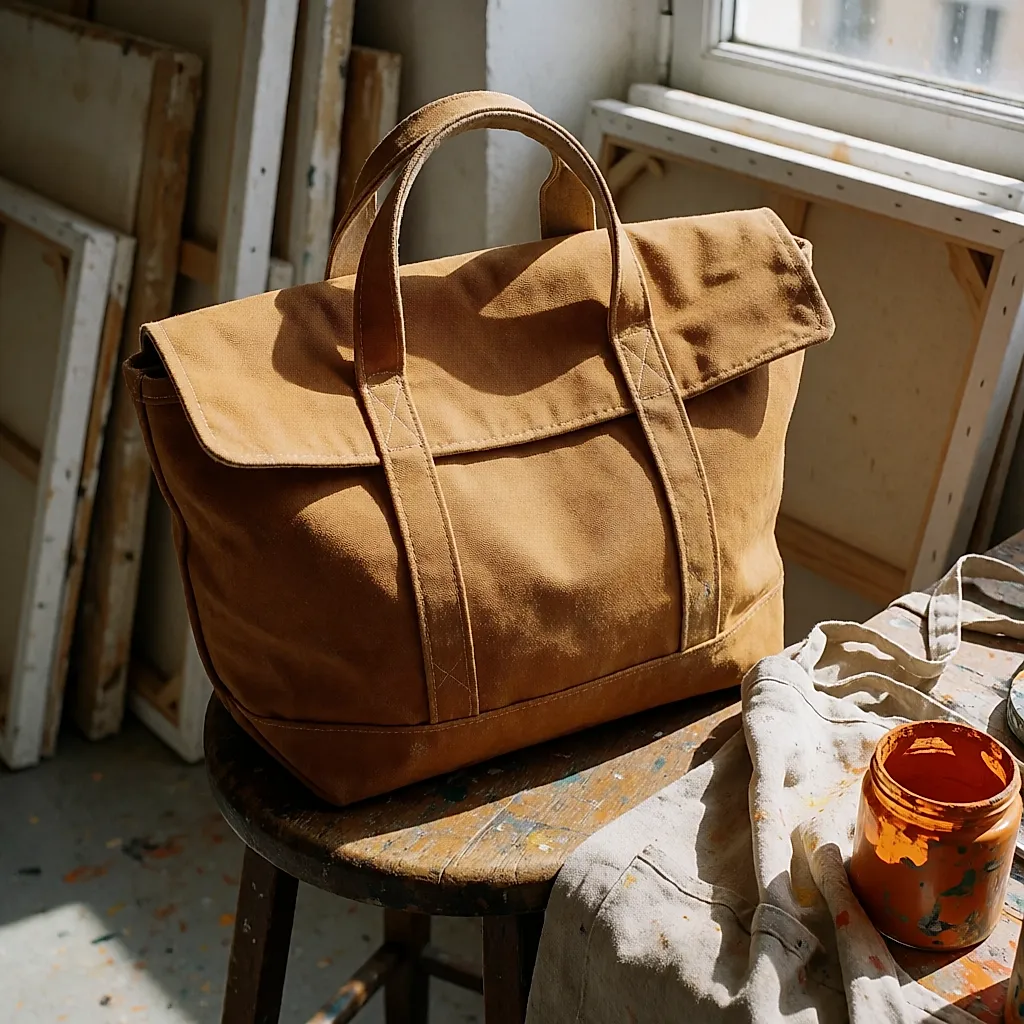
Next, look inside. On a lined bag, the seams are hidden: elegant, but impossible to judge. On an unlined model, the interior reads like a page — loose threads, topstitching that stops abruptly, edges that fray. It is not a dealbreaker (a lining also protects the canvas), but it tells you how quickly the bag will age. And if the strap is riveted rather than stitched, check that the rivet goes through a reinforced area: a rivet set into thin canvas will eventually make a hole.
Re-waxing at home is the real smart buy
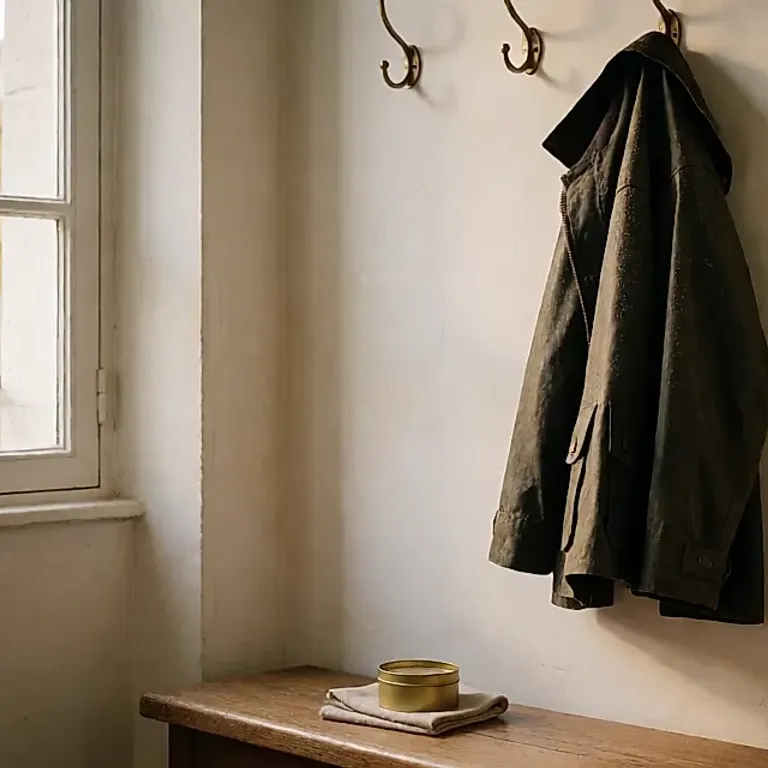
This is where waxed cotton earns its keep. Waxed cotton warms, softens and can be replenished: clean it without water, leave it to dry, warm a little wax between your palms or with a hairdryer, spread a very thin layer, leave it to penetrate for a while, following the instructions or recommended practice, then buff off the excess. Nothing complicated, but there are two conditions: the brand must sell its wax (or clearly state which one to use), and the bag must be genuinely waxed, not coated. On polyurethane canvas, wax will only grease the surface — and you will be left with a shiny, sticky bag and no benefit.

On the wording, check that the model is genuinely re-waxable: ask at the till whether the bag can be re-waxed; the answer will tell you more about the bag than any sales pitch.
The four in-store checks: the inside of the canvas (supple, without cracks); the flap falling properly over the opening; tight stitching at the handle attachments; and a mention, on the label or the brand's website, of a maintenance wax being available.
What to budget
Expect to pay roughly £30 to £80 for a coated-canvas tote from a luggage shop or larger supermarket — enough for daily commutes and the Saturday market, less so for intensive use. A better-made waxed-cotton piece, with wax sold separately, is more likely to sit between £100 and £300 in a leather-goods shop; the price rises with size, the quality of the attachments and whether the brand documents the care. A tin of wax lasts for years and costs £8 to £20: the most cost-effective investment of the lot. If money is tight, a tightly woven cotton tote and a waterproofing spray make a decent stopgap — to be reapplied regularly, following the instructions, and without the performance of a real coating.
Then comes the question that settles everything: what will this bag actually do in real life? For running through the rain between the Tube and the office, a coated model with a wide flap and reinforced seams will do the job without letting you down. For weekends and flea markets, a waxed-cotton bag you re-wax yourself will cost you less over time and will age nicely. In both cases, be wary of the proportion of synthetic fibres hidden under a pretty print: the synthetic content affects how the bag is cared for and how long it lasts.


Comments
Your opinion matters: rate the article, react and reply to comments.
Comments are moderated; AI-assisted comments are flagged. Text emoticons (8-), :-), <3…) are automatically shown as images.