

You leave the house at 8am with damp hair, and by 6pm it has decided to do its own thing. In truth, a hat solves that in three seconds. It is also the most cost-effective statement piece in a wardrobe: it hides greasy roots, protects the scalp from the sun and finishes an outfit without effort. But before you accessorise anything, you need to know what you are buying, because Borsalino, Panama and picture hats are not the same thing at all.
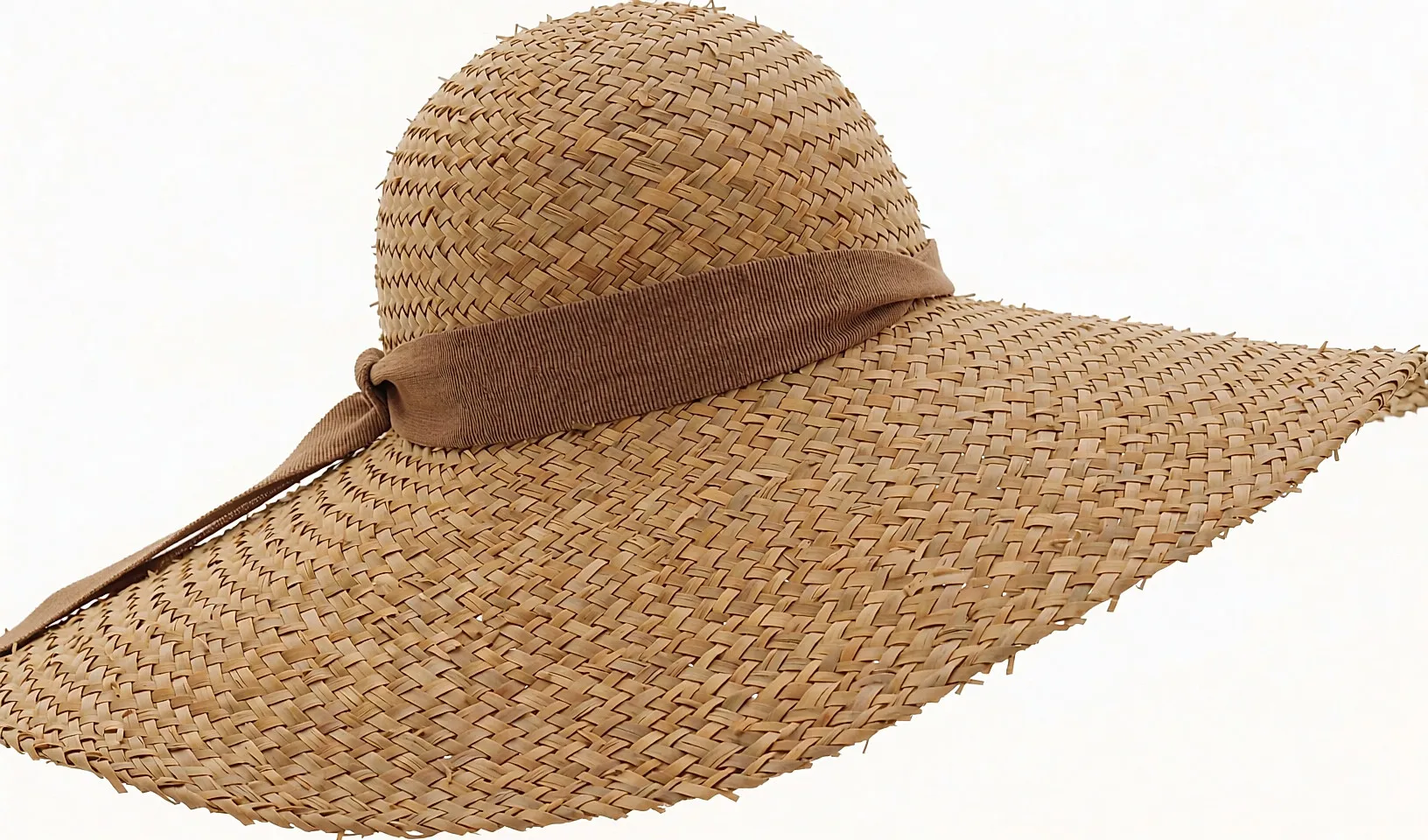
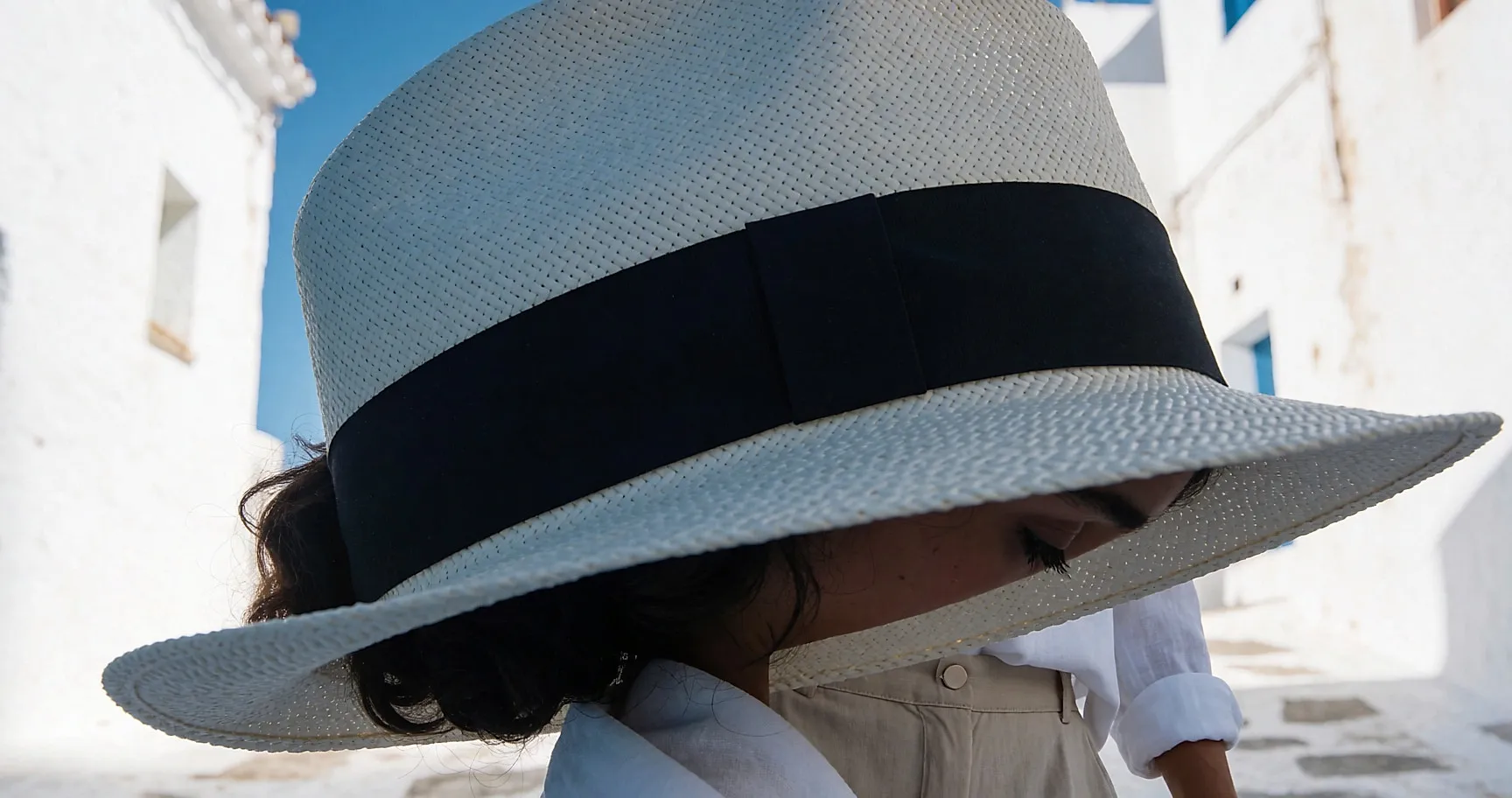
The Panama hat doesn't come from Panama
The surprise is that it is woven in Ecuador, from toquilla straw, and its name comes from hats exported through Panama from the 19th century onwards; the Panama Canal helped popularise it in the early 20th century. The traditional weaving has been on UNESCO's Intangible Cultural Heritage list since 2012. A real Panama is recognisable by its fineness: supple, sometimes rollable, and expensive. Pressed straw sold for around £18 in supermarkets imitates the shape, not the technique — which doesn't stop you buying one, as long as you know. One last detail, and not a minor one: straw doesn't like water.
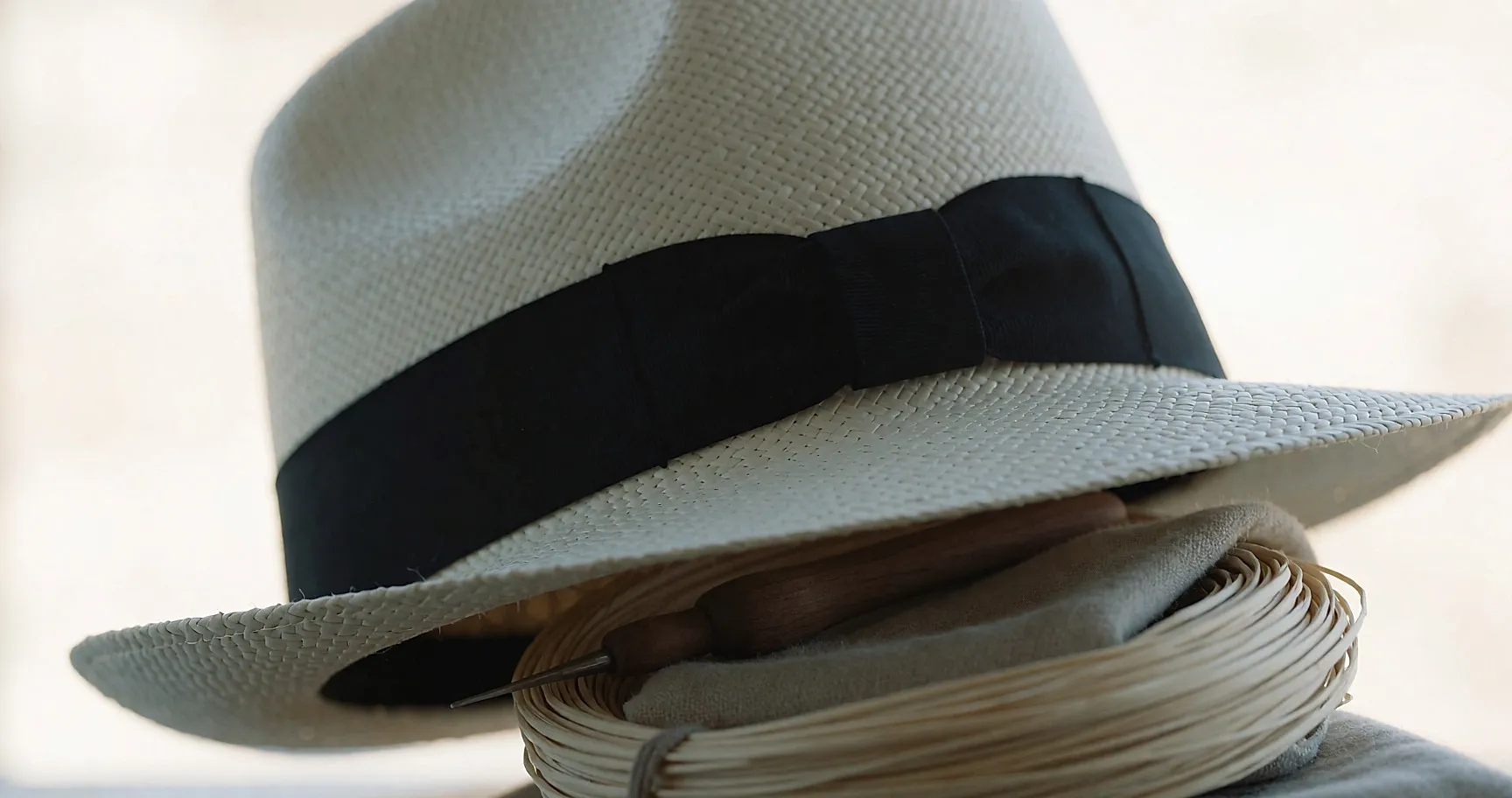
Borsalino: a brand that became a common noun
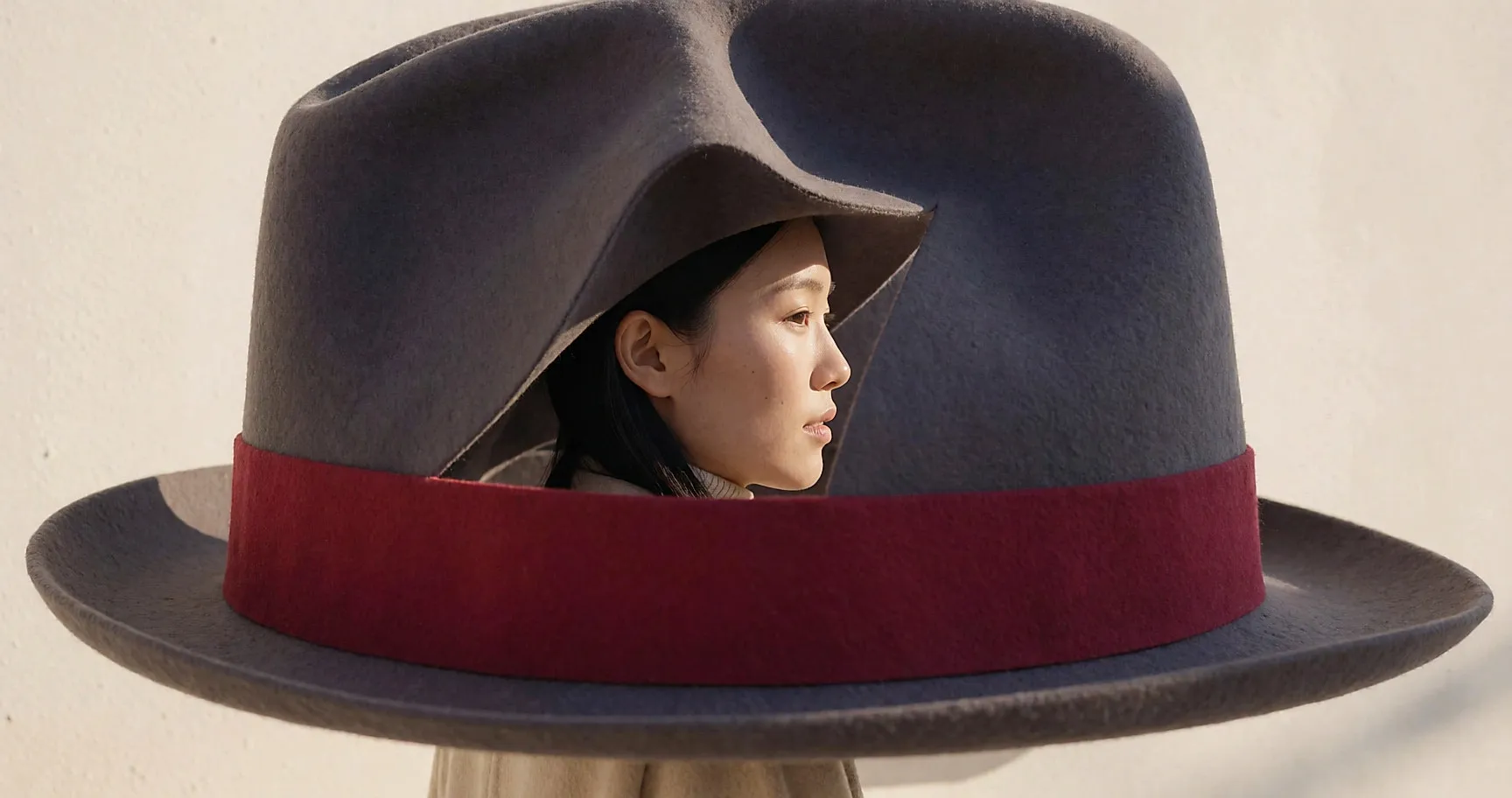
Borsalino is an Italian house founded in 1857 in Alessandria, Piedmont. Its cut — short crown, narrow brim, grosgrain ribbon — has left such a mark that people say 'a Borsalino' whatever the maker. The material is wool or fur felt, and its dense texture makes it an autumn hat, to wear with a coat, a denim jacket or an all-black outfit. The line stays crisp in light rain, where straw would have surrendered.
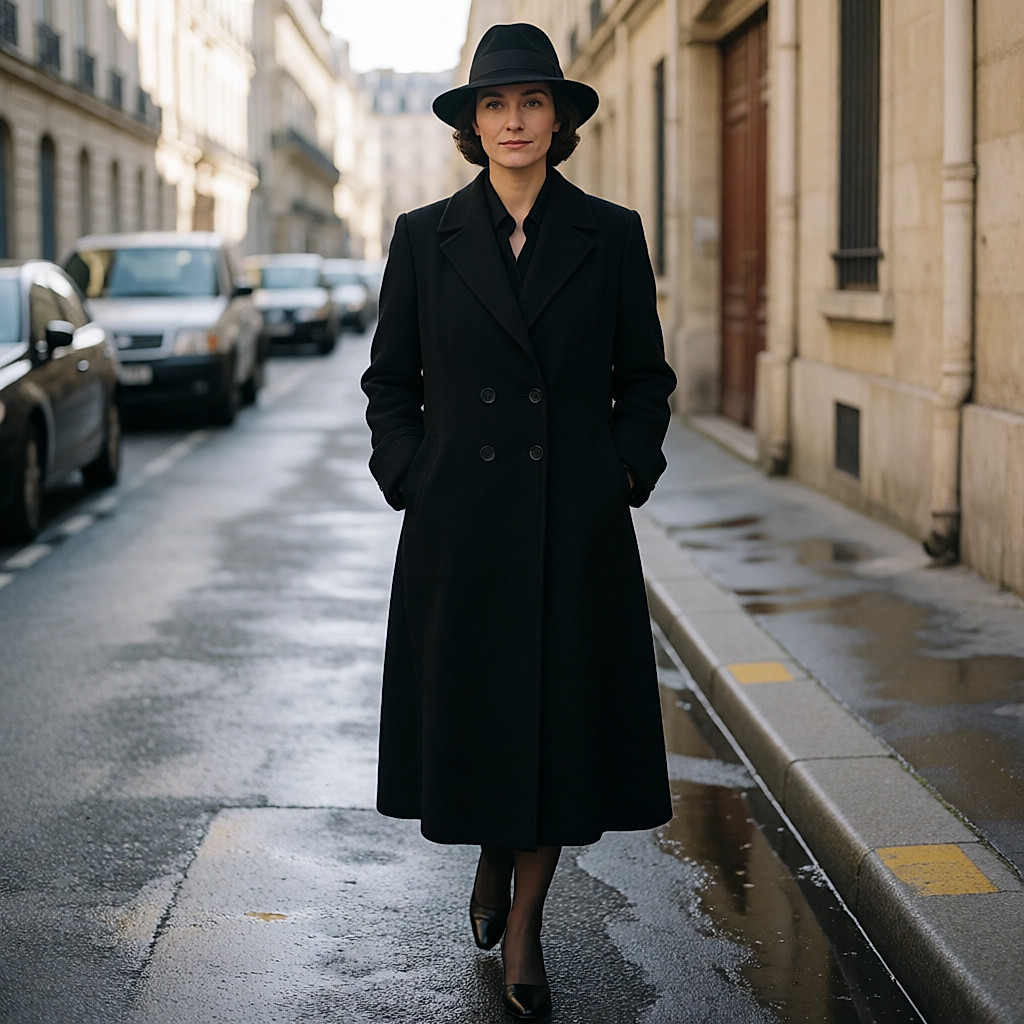
The picture hat: the most romantic
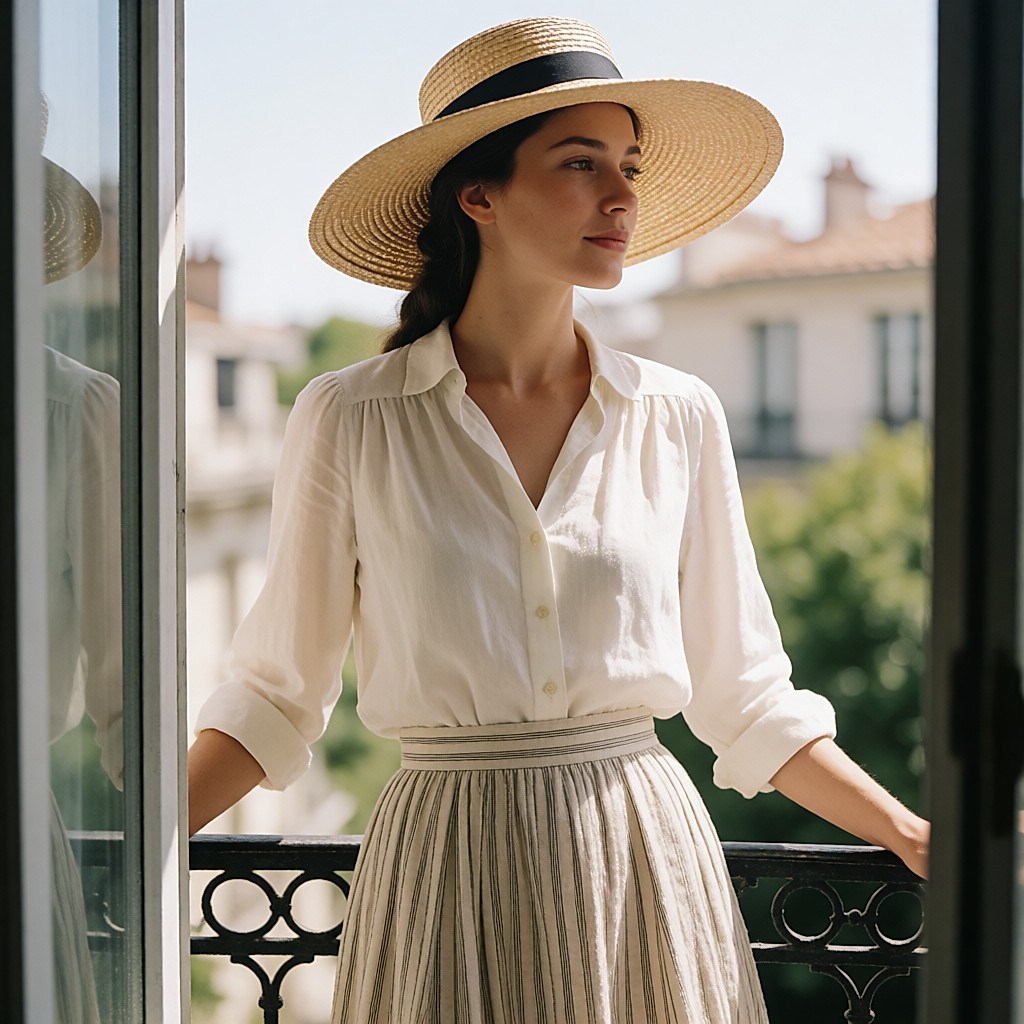
A soft wide brim, rounded crown, often a tonal ribbon: it owns its retro feel. In sewn straw, it is made for summer; in felt, it runs from September to February. It is the style that protects the face best, and the one that forgives wind least. Check that it has an adjustable inner band.

The move that changes everything: measure your head circumference with a tape measure, just above the ears and across the middle of the forehead. A hat should stay put without pinching — if it leaves a mark after an hour, it is too small, and it will not stretch. Too big, and it will fly off. For care, brush straw dry in the direction of the weave and store felt stuffed with tissue paper rather than hung by the brim.
How to choose well
Three questions are enough. Which season? Straw for summer, felt for winter, cotton and canvas for in-between. Which face shape? Wide brims balance a round or square face, narrow brims lengthen a thin face. What for? A beach hat tolerates approximation, a city hat much less.
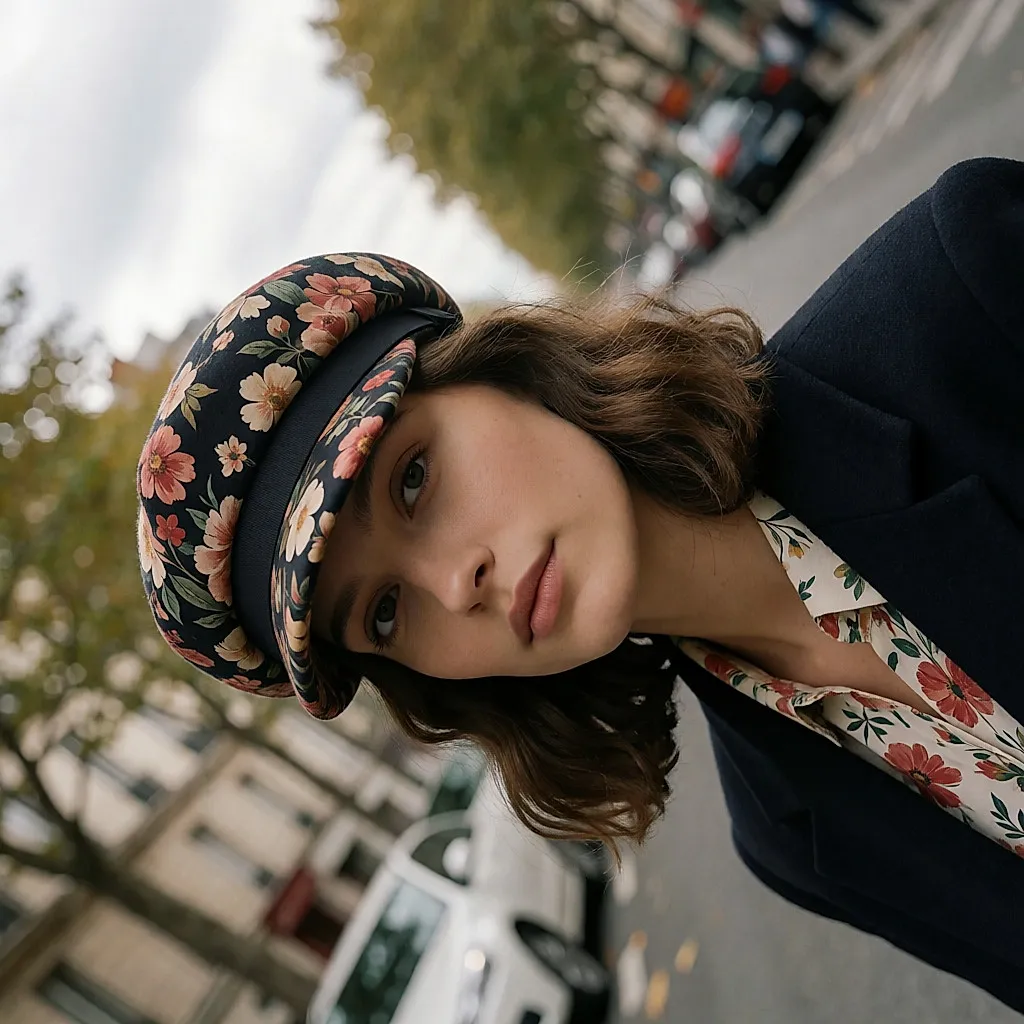
On the silhouette front, remember that a wide brim eats up the shoulders: on a petite frame, a lightweight straw picture hat will work better than a thick felt. And if you are wearing a print, stick to a plain ribbon — it is the kind of detail that separates a polished look from a messy head-to-toe.


Budget
In the UK, expect roughly:
- £13–£40 for pressed straw or canvas in high-street fashion and supermarkets;
- £40–£115 for mid-range, with a better-held shape, lining and a sewn ribbon;
- from about £85 for a real hand-woven Panama, up to £350 and beyond depending on the fineness of the weave;
- around £130 for a branded wool-felt Borsalino, £260–£430 and beyond in fur felt or from a designer.
What changes the price: the city, the material, the fineness of the weave, the lining, a sewn rather than glued ribbon, and where it was made. Entry-level styles are found in high-street fashion stores and supermarkets, mid-range in fashion boutiques, department stores and online, and hand-woven Panamas in specialist hat shops — which is also where you can have a hat that's too big adjusted.
For a first purchase, go for a simple material and a shape that suits you: it is a capsule wardrobe staple more than a seasonal fling. And if second-hand appeals, remember that felt can be cleaned and reshaped — a pre-loved style in good condition makes an excellent autumn companion.
Sources
- UNESCO — Traditional weaving of the Ecuadorian toquilla straw hat, inscribed in 2012 on the Representative List of the Intangible Cultural Heritage of Humanity.
- Borsalino — official site of the house, brand history and foundation in Alessandria in 1857.
- NHS — sun protection advice (wide-brimmed hat, shade, sunscreen).
- Hat Works Museum, Stockport — history of hatmaking and collections.

Comments
Your opinion matters: rate the article, react and reply to comments.
Comments are moderated; AI-assisted comments are flagged. Text emoticons (8-), :-), <3…) are automatically shown as images.