
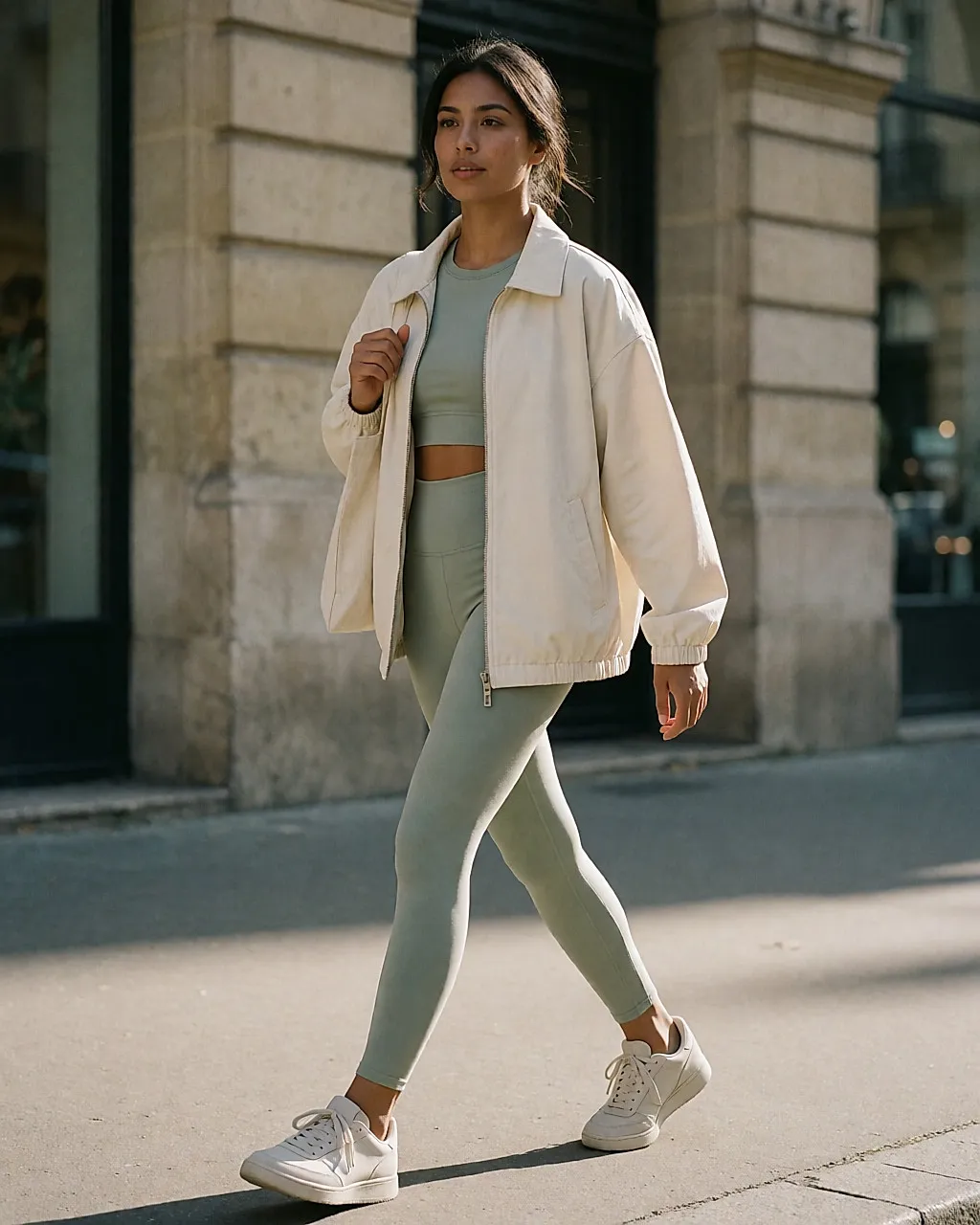
Chances are you've pulled on a pair of leggings for a whole day without going anywhere near a gym. Welcome to the club. For years, workout kit stayed in the changing room; now it crosses the street, sits at a desk and mixes happily with the rest of your wardrobe. Which means you no longer have to be an athlete to wear a sports bra or a pair of running shoes. Comfort comes first, looks second — and that order isn't up for debate.
Fit comes first
In 2026, the real luxury is a piece that doesn't ride up, dig in or gape. Effortless sportswear comes down to details that don't look like much but change everything: a waistband high enough to hold, flat seams that don't show through, armholes that don't cut across the shoulder, hems that stay put when you walk. Nothing showy — and yet these are the things that decide whether a piece gets worn or goes straight back in the drawer.
With tops, layering does the work: a supportive bra under a looser vest, or an oversized tee that lets the technical layer underneath show. The golden rule: every piece should work on its own. A basic that only functions layered has no place in a capsule wardrobe.
Fabrics that quietly do the work
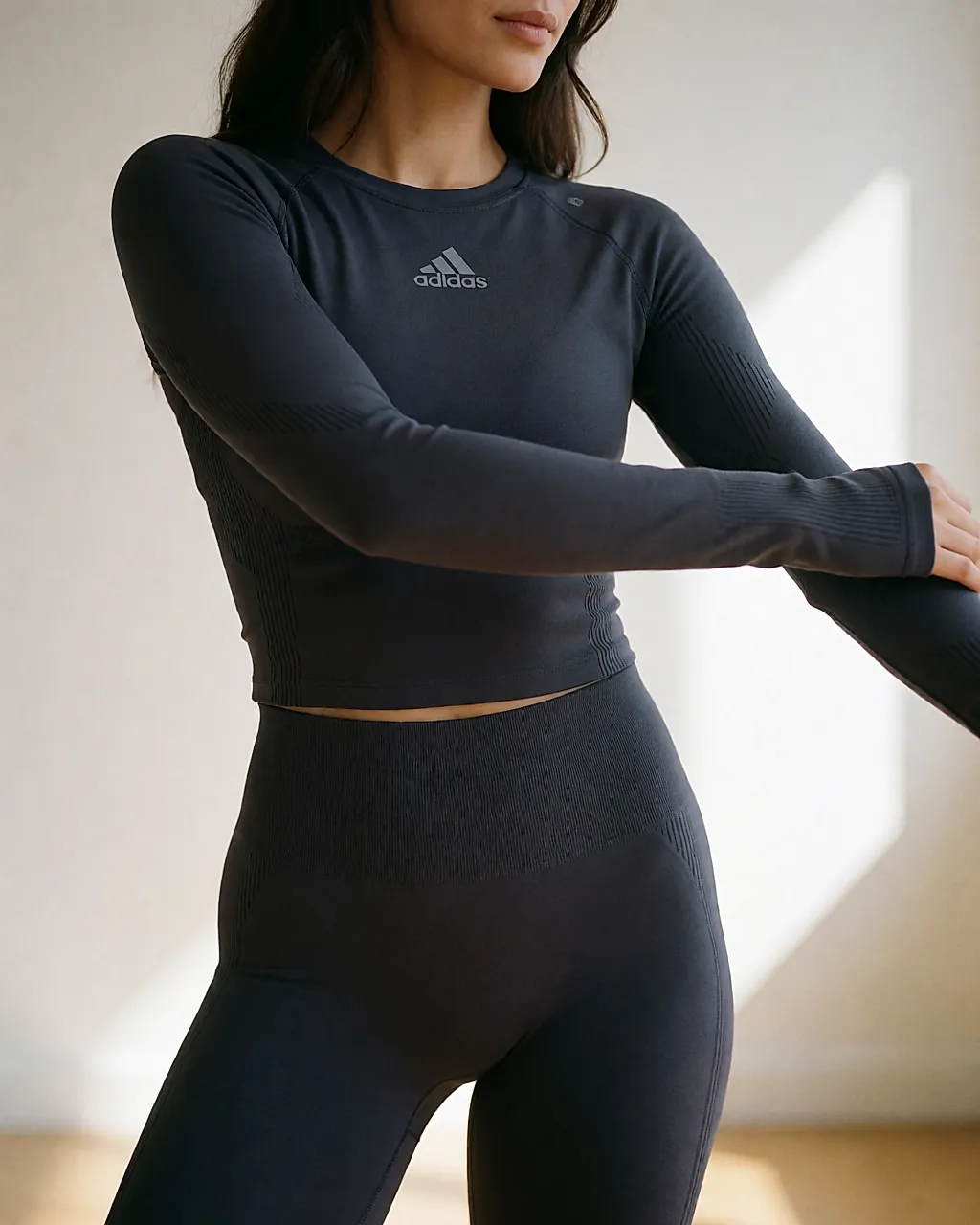
Gone are the cottons that sag after two washes. Current collections lean on seamless knits, double-layer jerseys and quick-drying technical fabrics. Recycled polyamide and polyester made from collected bottles have gained ground, including at affordable price points. Some mills are also working with regenerated nylon from waste — an interesting move, as long as you check it isn't just a marketing gloss.
Three things to look for on the label: enough elastane to move freely, a weight that's neither too thin nor too thick, and breathability where you actually sweat. Less glamorous than a nice logo, but it's what keeps a piece going.
Colour: the pep is back
After several seasons of beige and grey, recent collections are bringing colour back: turquoise, ice blue, lime, coral, deep chocolate. Two approaches work well. Tonal dressing from head to toe, right down to your socks, which lengthens the line. Or sharp contrast — one bright piece against a dark base — which is easier to pull together on a rushed morning. Graphic prints and sheer sleeve panels are back too, in small doses: nothing that turns your wardrobe into a Christmas tree.
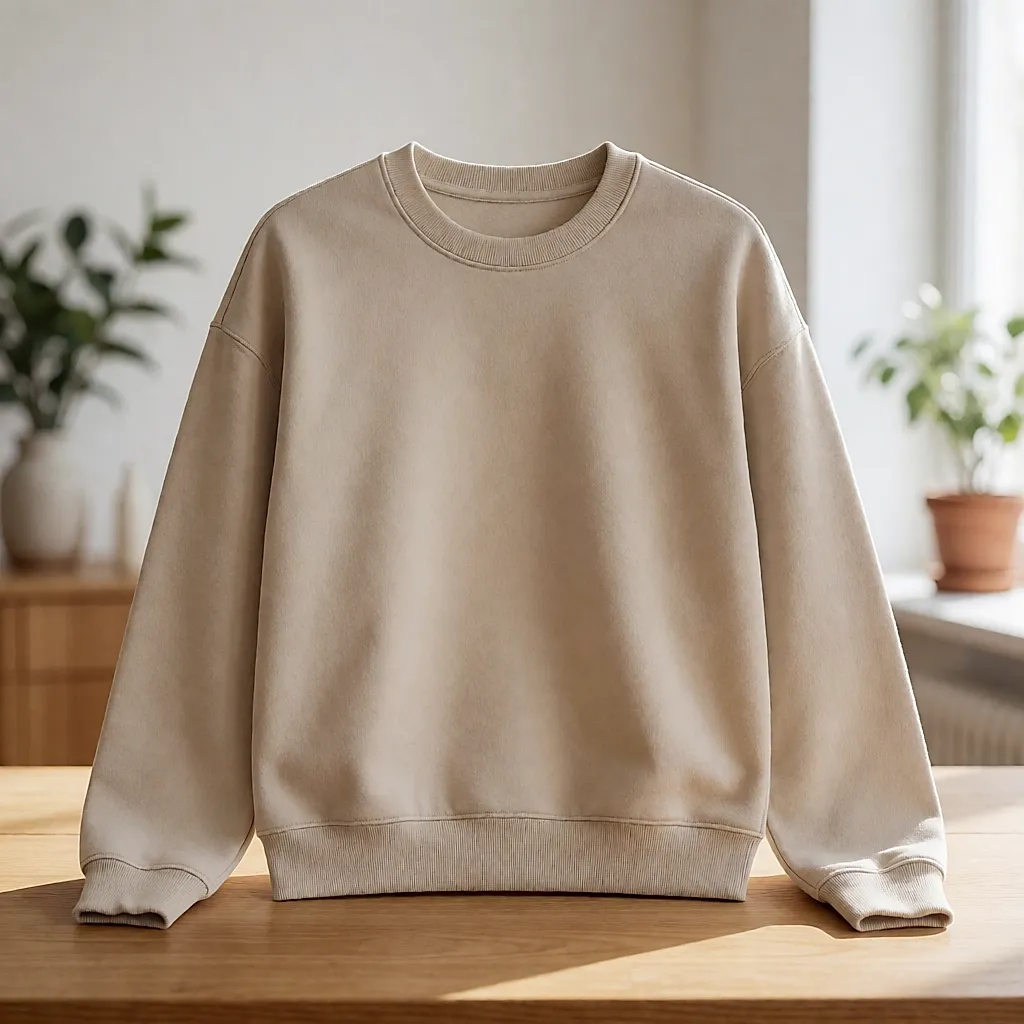
Three basics will see you through the week: opaque high-waisted leggings, a medium-support sports bra, a straight-cut sweatshirt. Add a versatile pair of trainers and a lightweight windbreaker — everything else is a bonus, not a requirement.
The real test is the mirror. Walk, raise your arms, squat: if the piece shifts around, it'll stay in the drawer.
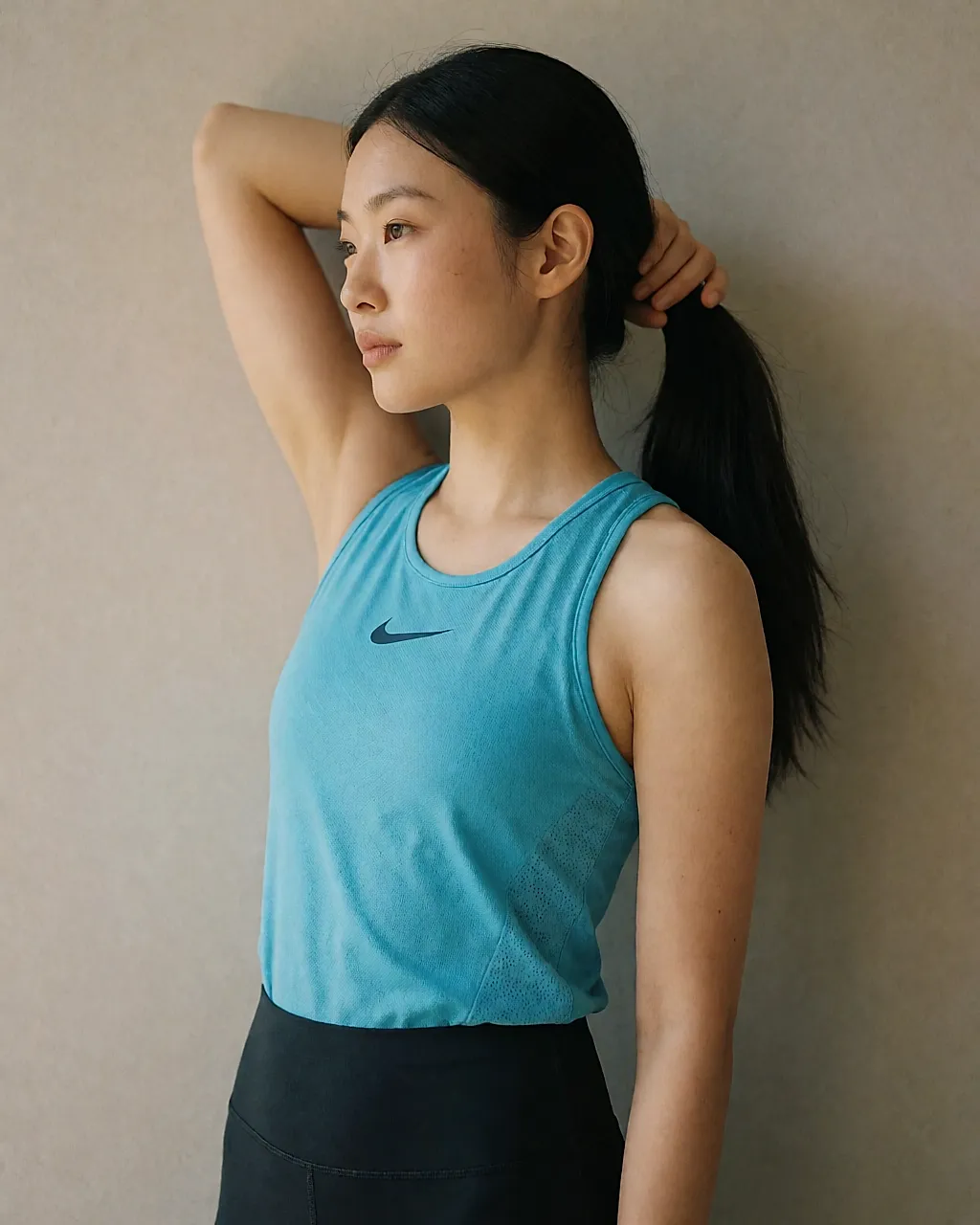
From studio to street
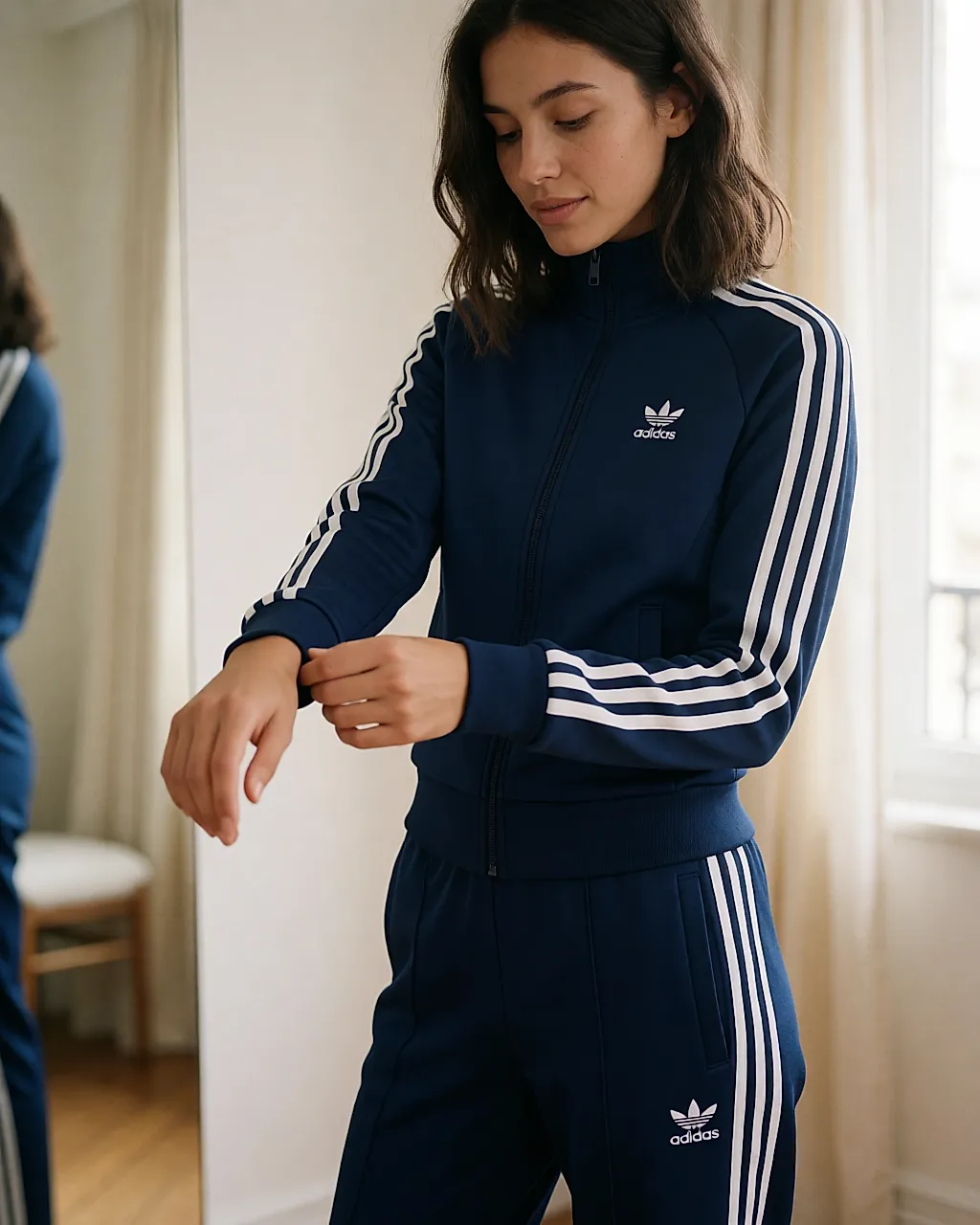
The big shift is how porous the line between workout and everyday has become. Yoga and training brands have widened their ranges to include pieces you'd wear outside the studio, while heritage sportswear names have signed collaborations with fashion labels. Those pairings have produced training lines that combine support with close cuts; other, dressier collections have an urban feel without abandoning performance.
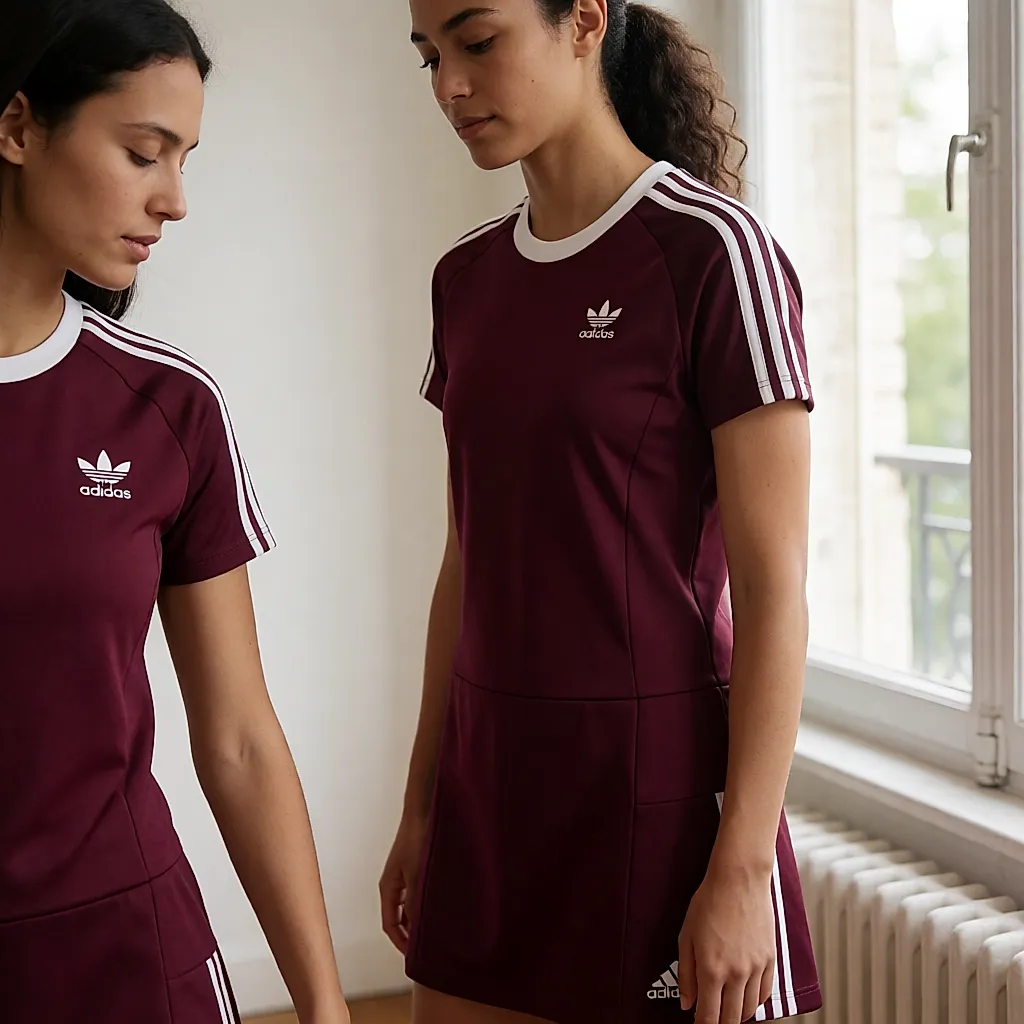
Some brands, more yoga- and lifestyle-led, focus on neutral pieces designed to be worn with jeans or a skirt. That may be where the real change lies: a technical piece styled like any other item of clothing.
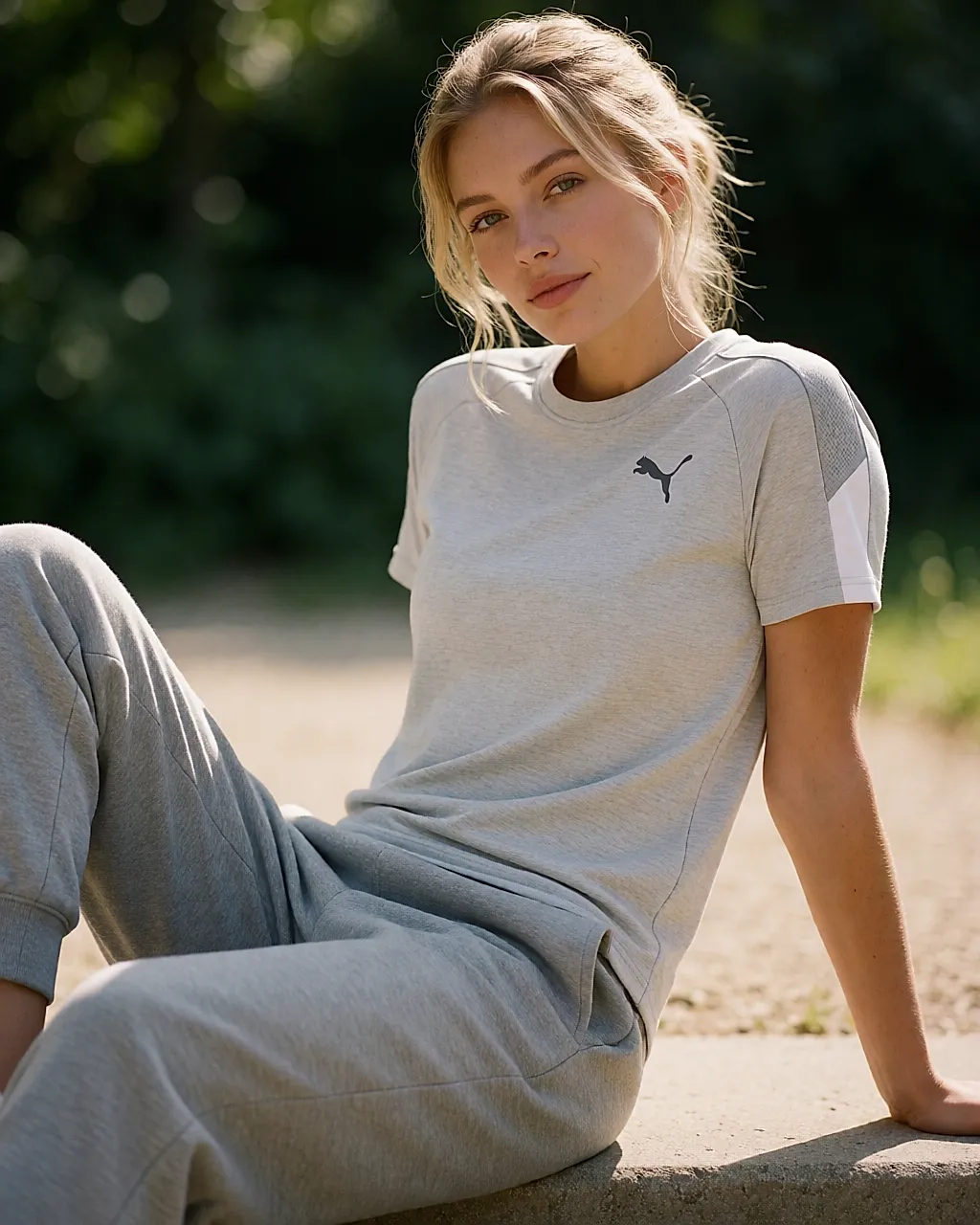
On your feet: a tale of two camps
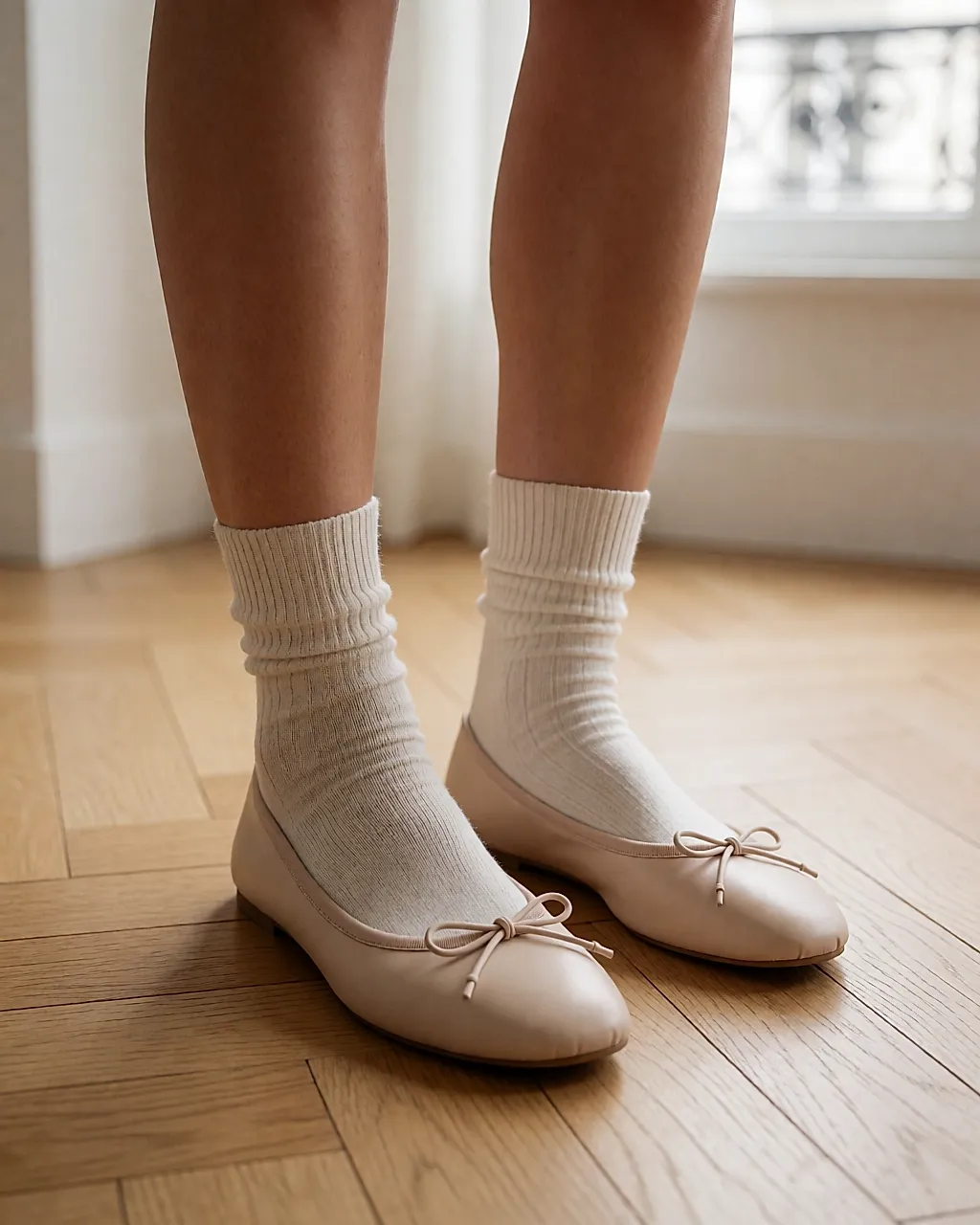
Two families sit side by side. On one hand, the retro running sneaker — understated, slim-soled, goes with almost everything. On the other, the fully technical shoe, with a thick sole and visible cushioning, built for long distances or days spent on your feet. In between, the dance flat has made a comeback on the street: dance houses are seeing their styles picked up by the balletcore trend, worn with high socks or wide-leg trousers. A staple that, contrary to what you might assume, needs no barre work at all.
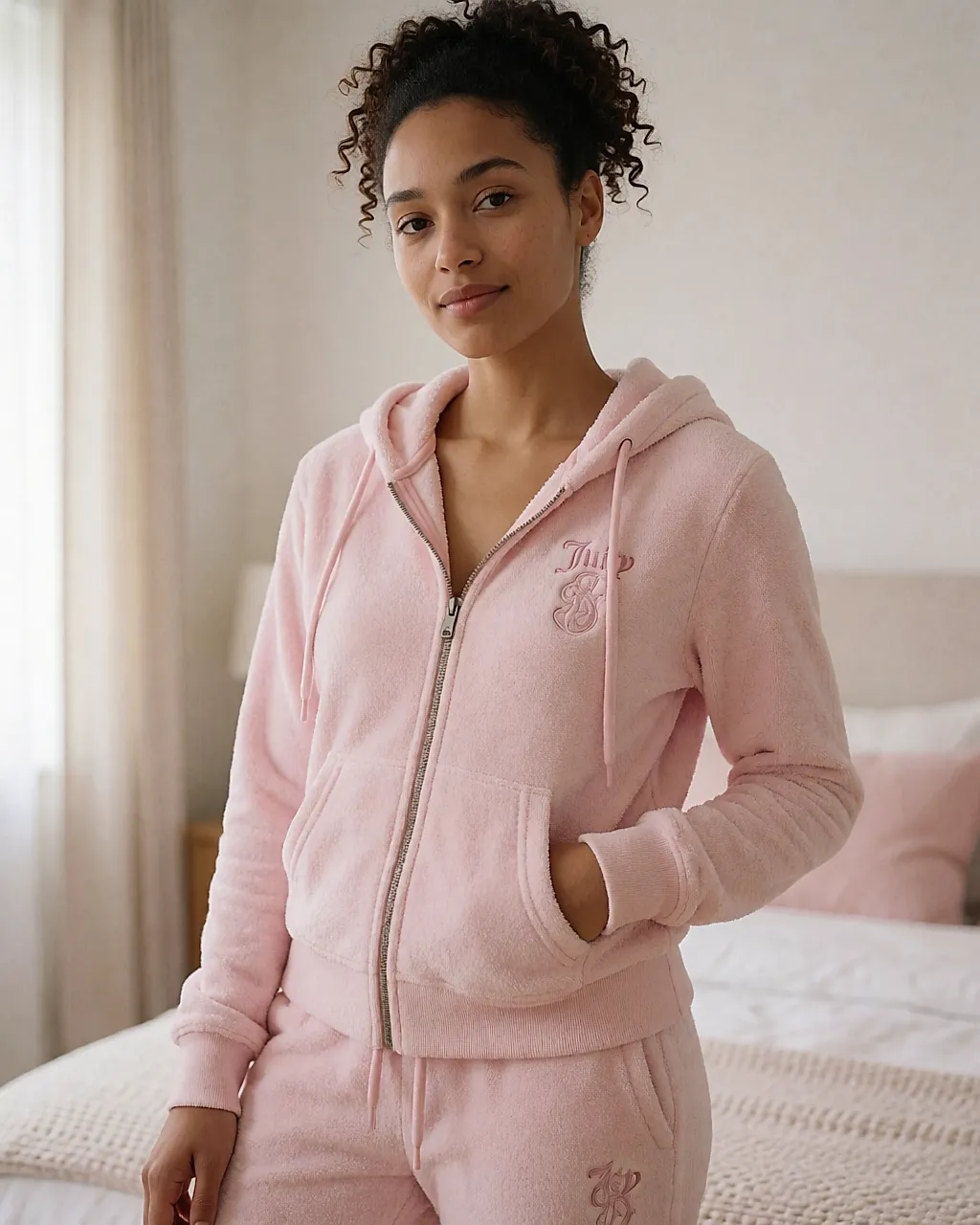
Tracksuits, minus the nostalgia
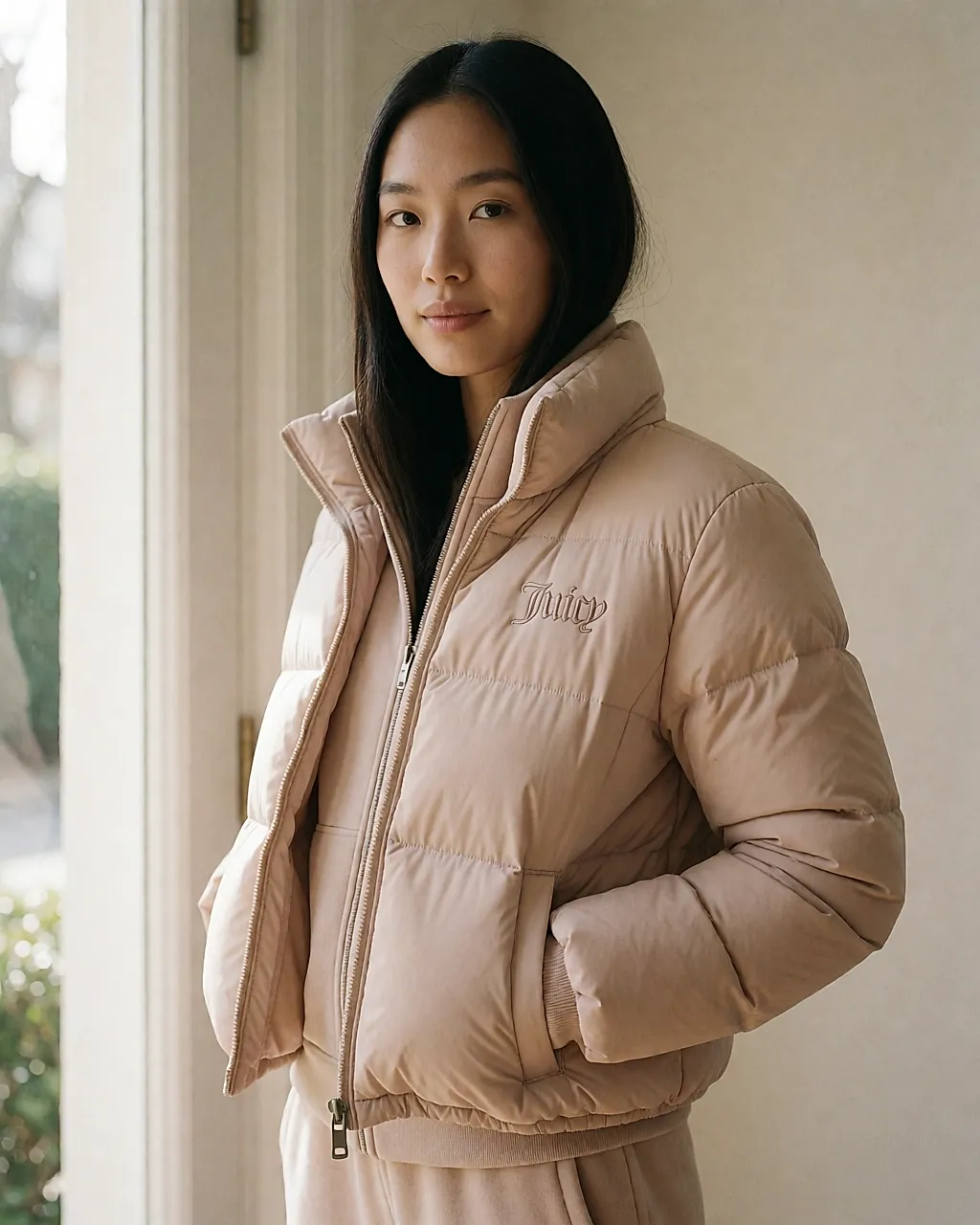
Fleece joggers and ribbed velour sets have left the pyjama aisle. They're worn as a set now — zip-up top and matching trousers — with trainers rather than slippers. Cuts have tapered at the calf, shoulders have widened, colours have calmed down. The idea isn't to look like a changing-room photo, but to get that all-over comfort back without staying indoors.
Budget
Sportswear is one of the most flexible lines in any budget. Expect to pay roughly £20–£50 for a mid-range pair of leggings or a sports bra, £45–£110 for a versatile pair of trainers, and £35–£100 for a sweatshirt or windbreaker. What pushes the price up: the fabric (a technical knit costs more than a basic cotton blend), the cut, the range of sizes on offer, the care instructions (some pieces need a delicate wash) and where you're shopping. Online prices are often similar, but keep an eye on return fees.
Where to look: the high street or a sports chain covers the essentials; more technical pieces are worth seeking out in specialist shops; niche styles — yoga or dance — tend to be online or through multi-brand stockists. Second-hand is worth a browse too, especially for barely-worn trainers and technical jackets, often heavily reduced for minimal wear.
The takeaway
Sportswear is no longer a performance uniform: it's a way of dressing that forgives rushed mornings, bike rides and back-to-back days. Spend on the pieces that touch your skin — bra, leggings, trainers — and have fun with the rest. Style comes from the way something falls, not from the logo.

Comments
Your opinion matters: rate the article, react and reply to comments.
Comments are moderated; AI-assisted comments are flagged. Text emoticons (8-), :-), <3…) are automatically shown as images.