
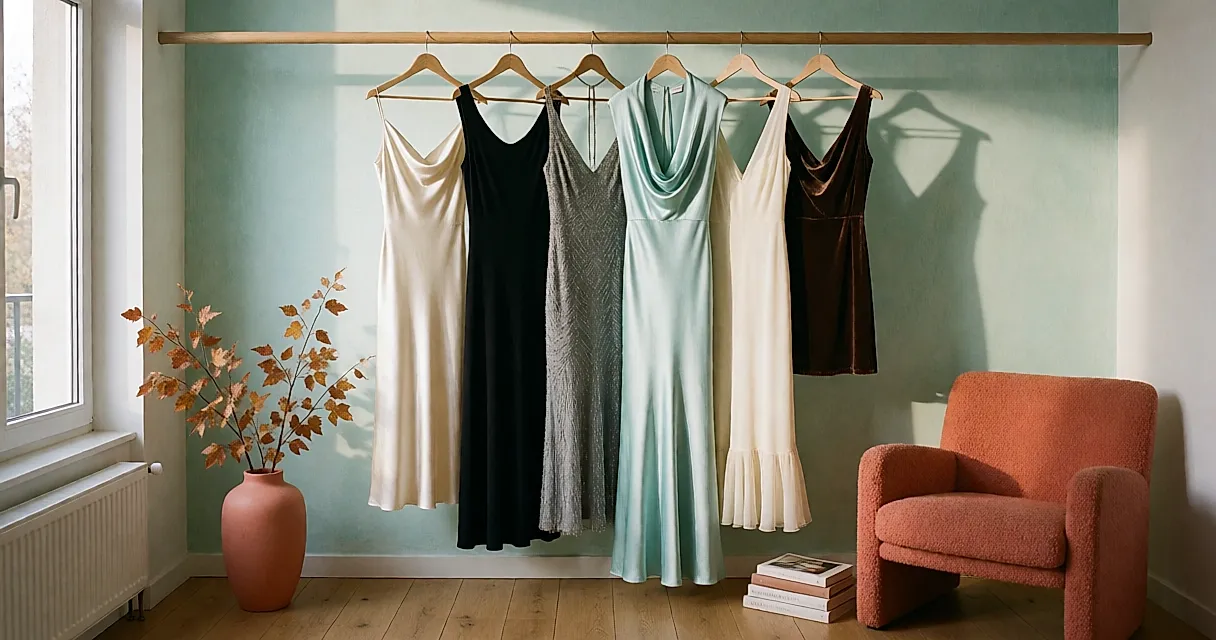
New no longer has a monopoly on the red carpet. At the Governors Awards, Zendaya wore a 2000s vintage dress, and the look was nothing like period costume: the piece simply seemed made for her. That's the whole shift. Evening wardrobes are no longer drawing only on the collections of the moment; they are digging through archives, and we will all need to learn how to tell an archive piece from an old dress.
Fashion's time machine is still turning
Just look at houses reopening their own archives, pulling out a 1999 design and presenting it as a collection event. The move is visible on the catwalks, but it is also happening in our wardrobes: a dress that has already done one or two evenings doesn't create anything new; it extends what exists. It may be the eco argument that asks least effort of us, and it lands rather well.

And then there's style, the real question. Why spend on a new dress that will look like three other guests' when a 2003 find does the job twice as well? On the red carpet, vintage has become a signature: it says you've looked, you know what you're wearing, you're not following the season. You don't need a photographer to get the same effect.
Archive piece or old clothes: three clues
A 2000s dress isn't an archive piece because it is old. It is archive because it can be dated, identified, and tells you about a precise fashion moment — the cut, the print, the label, how the seams are finished. Old clothes, by contrast, are simply clothes that have waited too long at the back of a box.
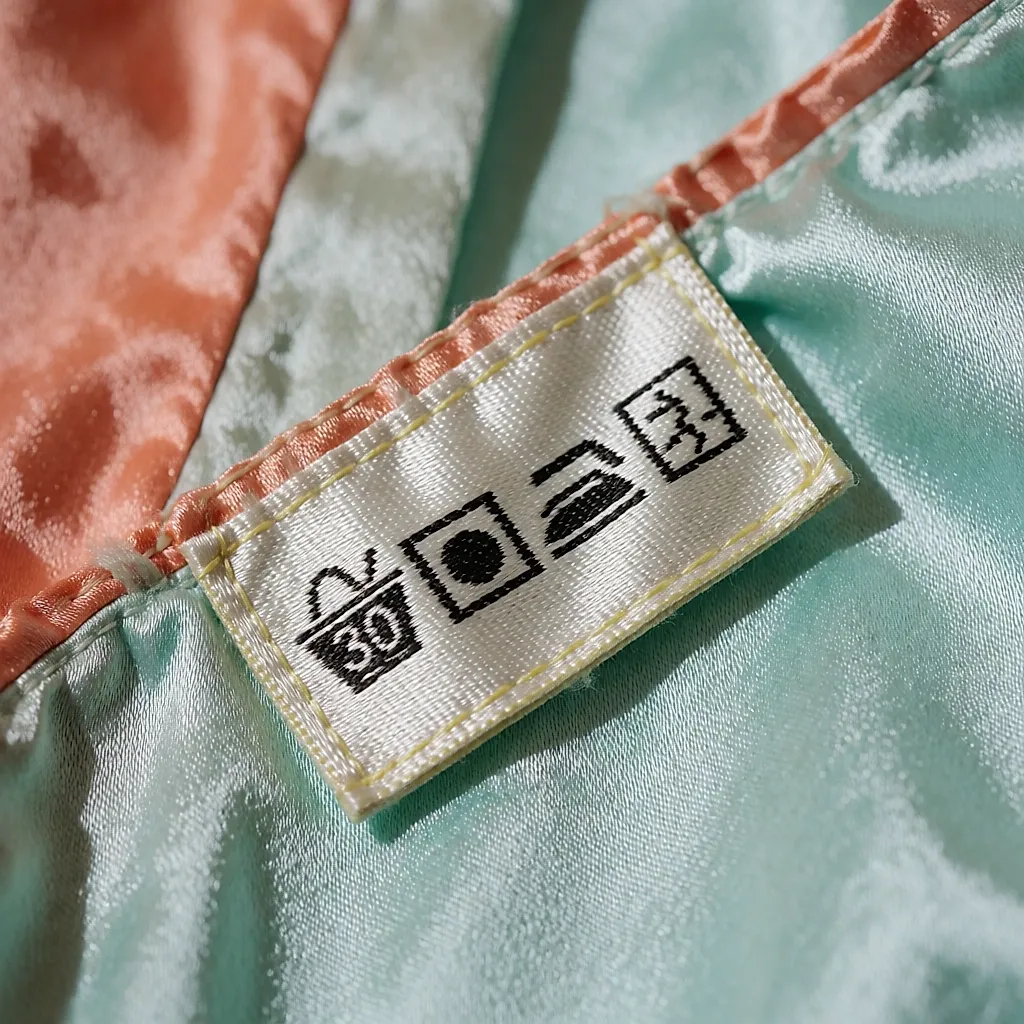
Integrity matters as much as age: original buttons, a full lining, a working fastening, a period hem. A machine-sewn replacement hem on a signed piece is a detail you can see with the naked eye, and one you can negotiate over. Provenance, finally: a legible designer label, an identifiable fashion house, sometimes an original box — that's what separates a find from a piece that can be resold at three times the price. The paradox? A real archive piece is for wearing. It isn't meant to sleep under a glass dome.
What to check before you get your card out
Start with the mirror, not the label. The drape of a 2000s satin or chiffon forgives little: a gaping armhole won't be fixed with an iron, and a tired strap rarely gives way at a convenient moment. Check the state of the seams under the arms, the ease across the hips, how the lining sits. Gently pull the side seams: if they crack, the dress has been to its last party.
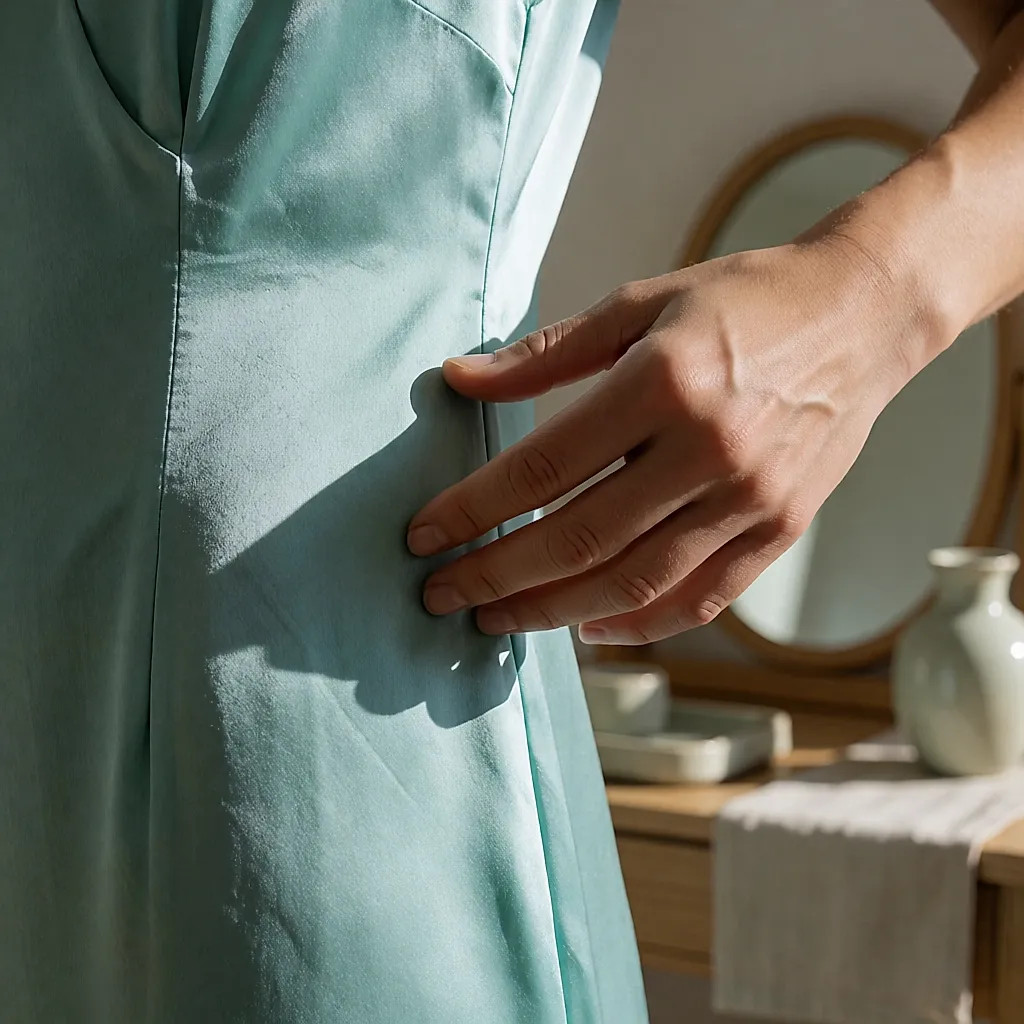
Then the close inspection. Underarm stains, pulled threads, missing sequins, a zip that catches, an attic smell that won't shift. Keep an eye on the composition, too, with one simple caveat: the synthetic fibre content of 2000s pieces is often high, and a dress that holds on to sweat may only be wearable once. On sizing, don't assume a size 10 from twenty years ago is a size 10 today — size charts have changed, and so has the body of the dress. Alterations can save a lot, but not dead fabric.
How to wear it again without looking like you're in fancy dress
The rule is one sentence: one archive piece at a time. The rest of the outfit speaks today's language — a straight coat, a pair of fine sandals, a day bag. Add the low belt, the butterfly sunglasses and the crop top, and you're not going out for the evening; you're going to a fancy-dress party, and someone will ask for a number.
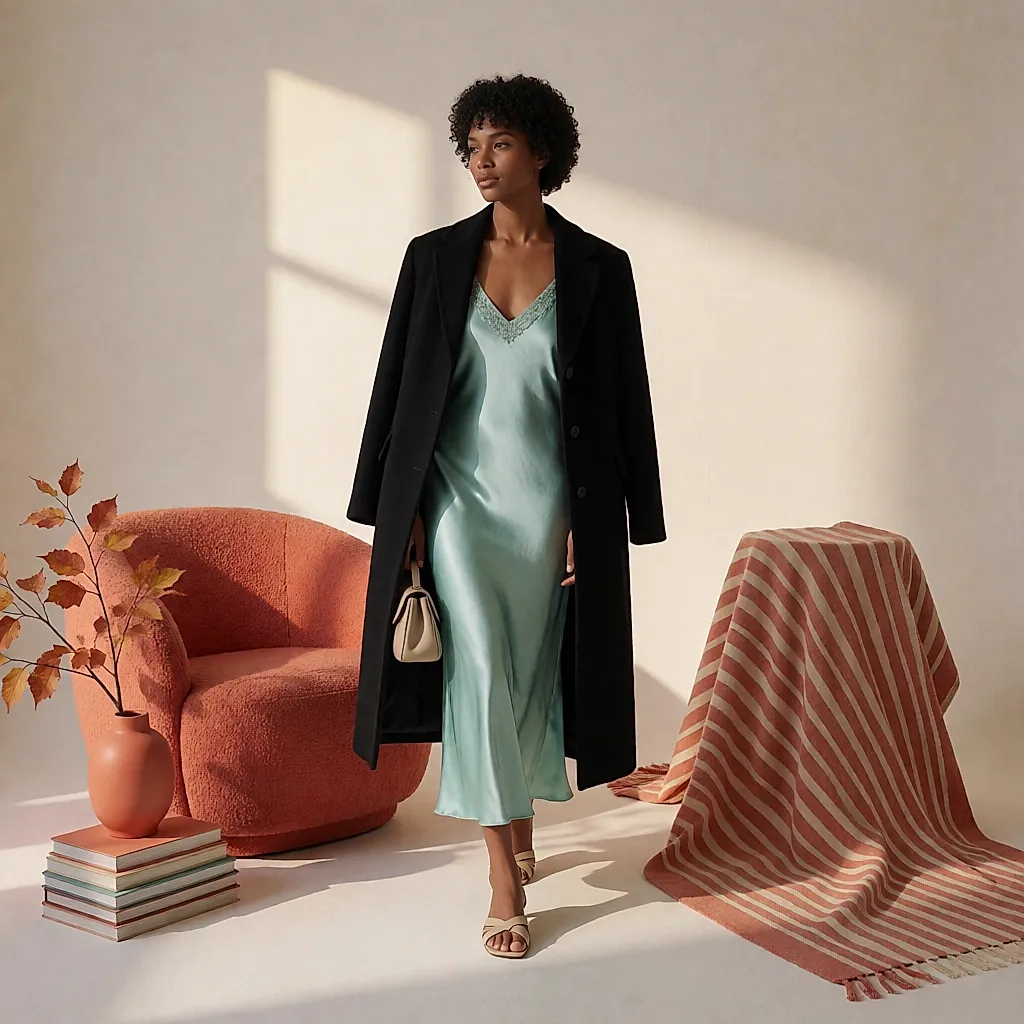
Beauty follows the same logic. A neat chignon or hair pulled back sleekly, luminous skin, a fairly nude lip: the dress does the work, everything else supports it. The heavy 2000s make-up looks great in a period photo, less so on a person sitting next to you. And if you're torn between two shoes, ask yourself which pair you'd wear with a dress bought yesterday. That's the pair.
The real-wear test. Put the dress on with the shoes, coat and bag you would actually take, then sit down, raise your arms and walk twenty paces. If you have to tug at the hem or hold your stomach in to breathe, it isn't an archive piece; it's a restriction. Second thing: ask the seller whether the piece has already been altered, and where.
Budget
Expect to pay around £20 in a charity shop or at a preloved clothing sale for an unsigned dress, often with alterations to budget for. At a local resale boutique or vintage shop, expect roughly £25 to £80 for a piece in good condition, and £80 to £220 as soon as a name appears on the label. A signed, documented piece in a rare size tends to fetch £250 to £700, sometimes more at a specialist vintage dealer. Location matters; condition matters more.
Don't forget alterations: £25 to £60 depending on the work, whether a simple hem or an armhole repair, and always budget for dry-cleaning before the first outing. If buying gives you pause, renting remains a sensible route: you return the dress the next day, with no hanger left hanging around and no regrets.
Ultimately, the real question isn't whether vintage is in fashion — it is, and probably will be for a while. It's whether this dress works for you, on that evening. The rest is red-carpet small talk.

Comments
Your opinion matters: rate the article, react and reply to comments.
Comments are moderated; AI-assisted comments are flagged. Text emoticons (8-), :-), <3…) are automatically shown as images.