
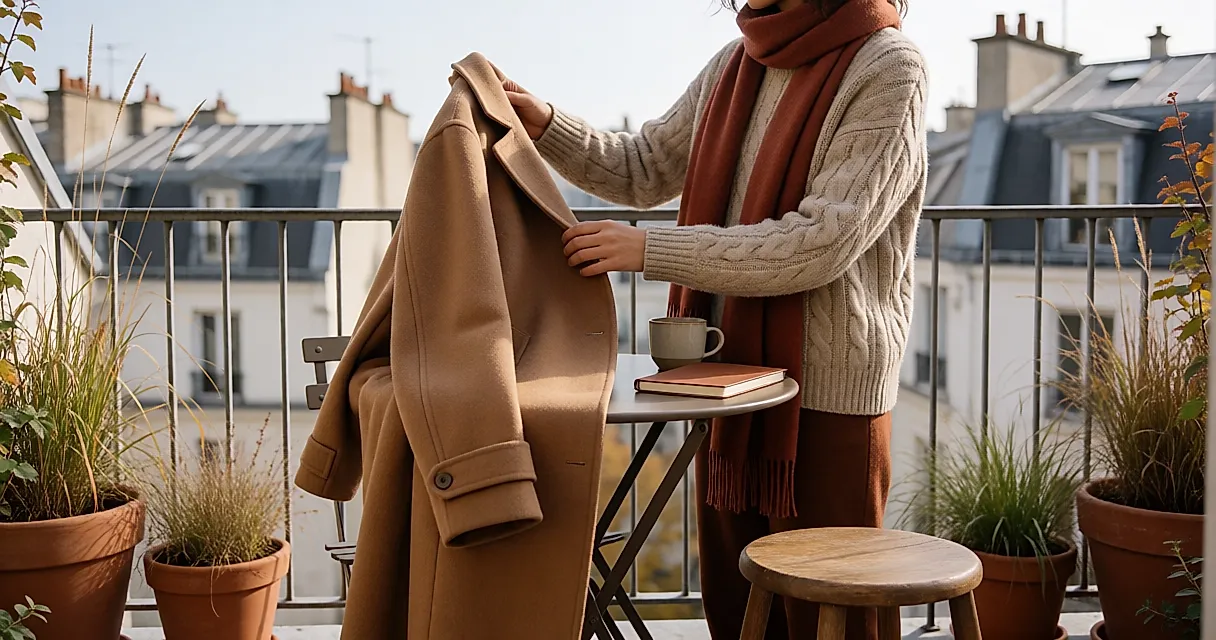
A few weeks' lease, a former garage in Dallas, a string of lights hanging slightly askew — and two brands sharing the same glow. The pop-up has changed its outfit: it now comes in pairs, sets up well away from the major capitals and makes no apology for being there to sell. Missing Paris already? That's rather the point.
Dallas rather than Paris
The ephemeral pop-up in the Marais is a familiar routine: crowds, a glass of beetroot juice and not much you'd actually take home. The new format goes the other way. It targets cities where a brand has no shop yet but where the customer already exists — and where a short lease costs less than a shopfront on a Paris thoroughfare. Enough to stay for a few weeks, install a proper fitting room and let a sales assistant do their job rather than play host.
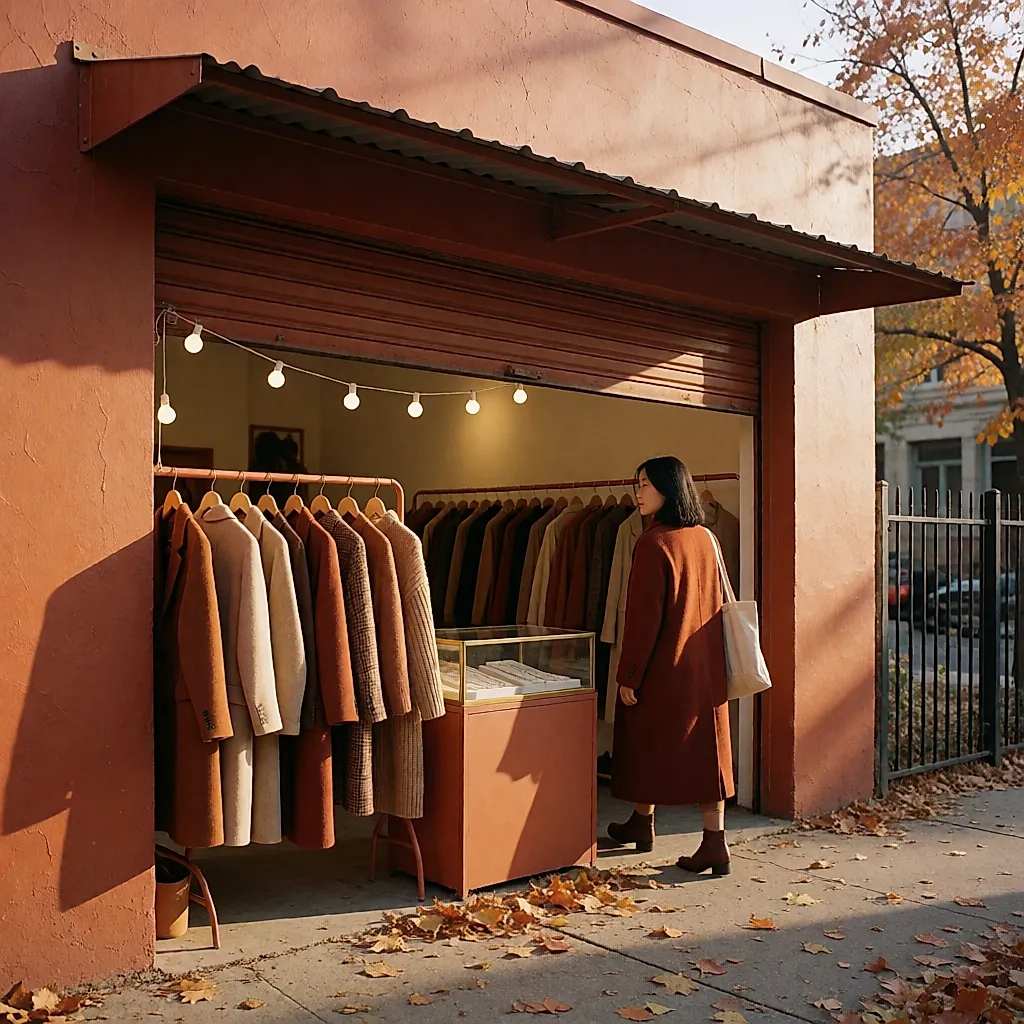
Dallas isn't random: Neiman Marcus has a store there, and the city has long been used to buying good design without waiting to be sold to. Aspen, another current destination, runs on a short season and a density of down coats that makes the town a tempting place to show wool pieces. Why go so far for what you can find in Paris? Because in Paris, you can already find plenty.
Two brands, one address
The set-up is simple: one brand invites another, the two don't compete and they split the lease. A shoe label with a jeweller, a knitwear house with a ski specialist, a skincare brand with a local café. Each brings its address book and half the bill. For you, it all happens in the same square metre: you try on boots, look at the earrings that go with them, and build the full look without crossing town.
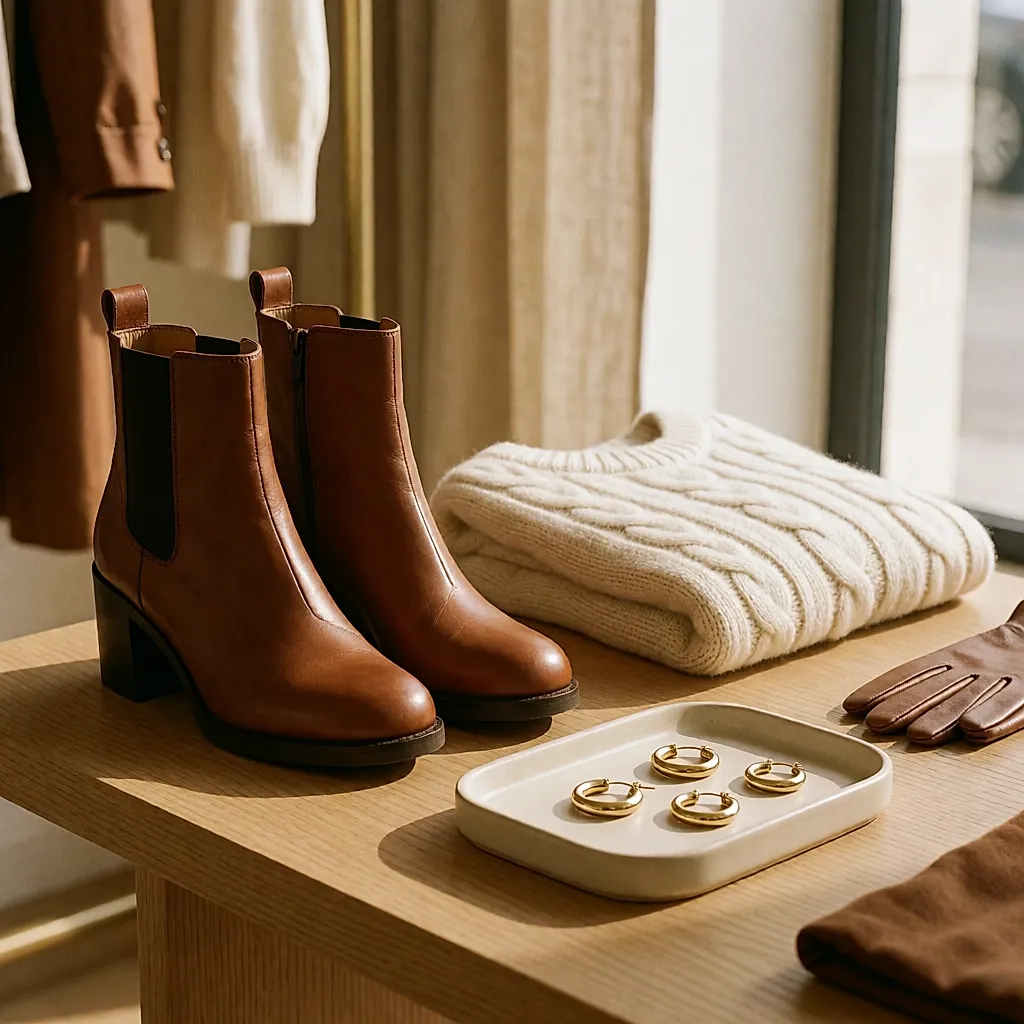
There's a catch. Two worlds also mean two returns policies, two ways of wrapping things and sometimes two tills. Then there's the question nobody quite likes to ask out loud: who are you actually buying from? Ask who handles after-sales before you get your card out, and you'll avoid a nasty surprise in January.
A test, not a fireworks display
This is what changes the nature of the exercise. A cocktail party tells you nothing; a few weeks of sales tell you plenty. Brands watch what sells, in which size, in which colour, whether people come back a second time, what customers ask for when stock runs out. A temporary opening becomes real-world market research — and that is what decides the next step: a permanent shop, a concession at a retailer, or nothing at all.
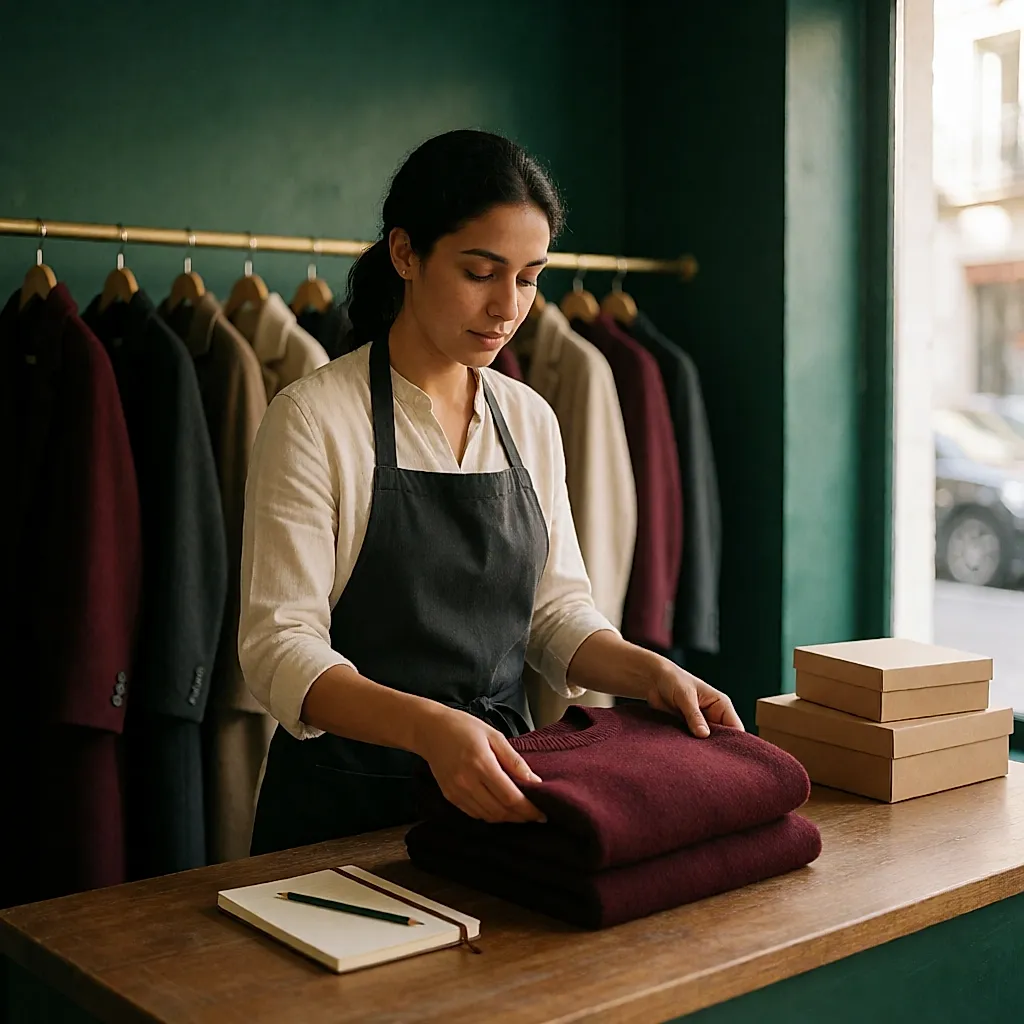
The direct consequence for you: a piece you spot in a pop-up may reappear online a few months later… or disappear for good. Hence the temptation to buy quickly because the address closes on Sunday. The rule is the same as anywhere else: if you didn't like the piece in a conventional shop, you won't like it more because the venue is temporary.
What to check before you pay
Try it on, feel the fabric, read the composition label — a well-planned pop-up gives you proper conditions for trying things on, because that's where you can really judge how a piece hangs. Ask, too, whether alterations are possible and how long they take: a sleeve that's too long is still too long, even against a raw-wood backdrop.
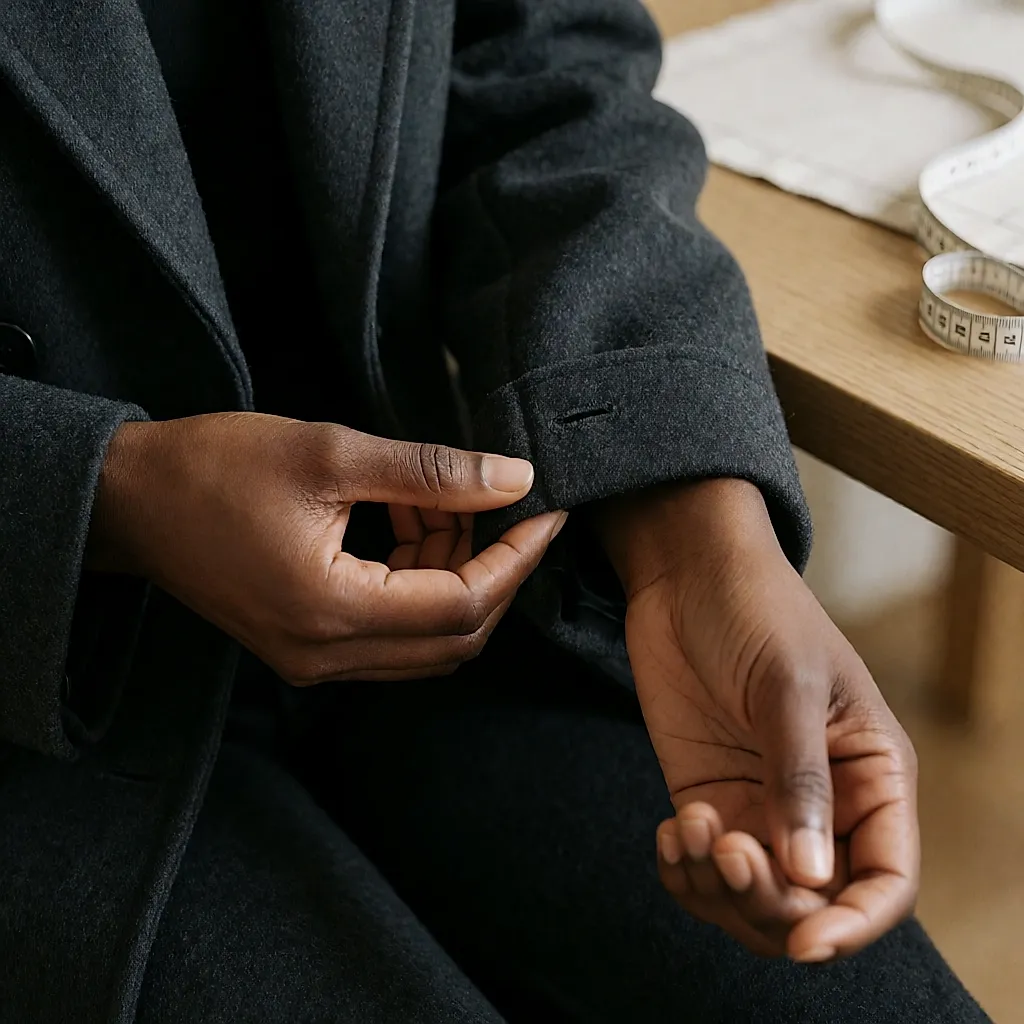
Then the very simple question to ask before you pay: does this piece exist outside the pop-up? If it does, you may be able to wait for it to go online and compare. If it doesn't, you're looking at a short run — which is no licence to charge over the odds. And if you're between sizes on an expensive piece, common sense says wait.
Three questions to ask before you pay
- Is this piece sold elsewhere, and at what price?
- Who handles returns and alterations after the pop-up closes?
- Can missing sizes be ordered?
Budget
Entry is often free, but check before you travel; the real budget is your basket. As a rough guide, expect around £50–£160 for a piece from an invited independent label, £75–£350 for a fashion-and-jewellery pairing, and £260–£1,700 at an established house. Alterations that aren't included may come in at £15–£35. These ranges shift with the city, the fabric and the size of the run.
As for travel, there's no need to book a flight to Aspen: brands testing a city can leave an online trace, and seasonal pieces may end up with their regular stockists. The flight is the one line item we'd cross out.
Which leaves the most cheering idea of the season: the pop-up is no longer a party, it's a fitting. You go to look, touch, compare and leave empty-handed without feeling guilty. And if a piece is still on your mind a few days later, it was worth the visit.


Comments
Your opinion matters: rate the article, react and reply to comments.
Comments are moderated; AI-assisted comments are flagged. Text emoticons (8-), :-), <3…) are automatically shown as images.