
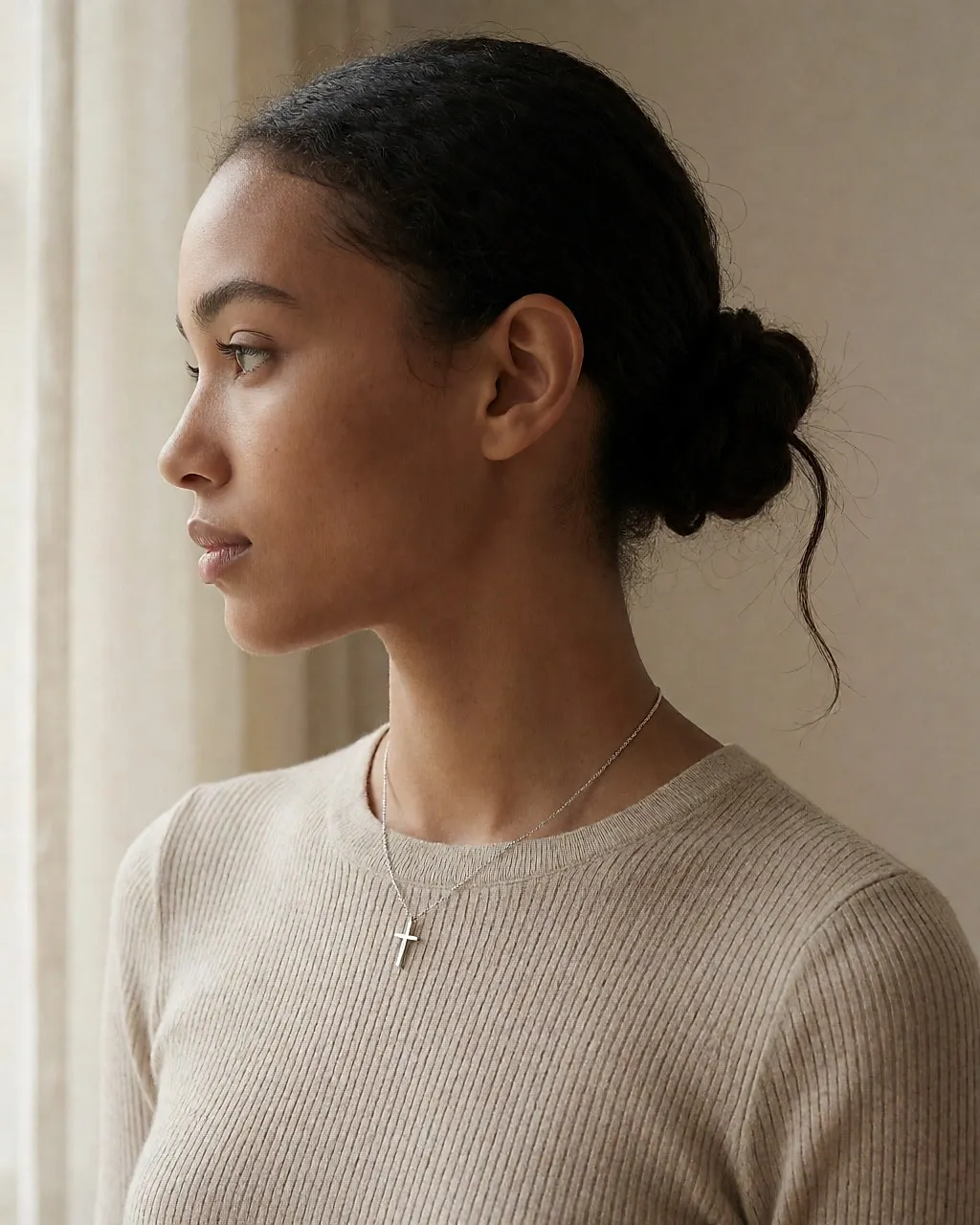
Graffiti: a new collection of Basque silver jewellery
We've all got one at the back of a drawer: the present we'd rather forget. The name-printed mug, the candle that smells far too strong, the voucher for a weekend that never happened. And there's usually a shelf somewhere still carrying the evidence, bought in a rush five minutes before we left the house. So next time an occasion comes round, it's worth aiming for something you'll still be wearing in ten years: a piece of silver that actually says something.
That's exactly the thinking behind Madilar, a Basque house based in Bayonne, which is putting a line called Graffiti back in the spotlight. The idea is simple: each piece carries a Basque inscription on one side, with its French translation engraved on the back. Wear it inscription-side out on the days you fancy being asked what it means; translation-side when you'd rather keep it to yourself.
Regional jewellery without the folklore
The trouble with regional jewellery usually isn't the material — it's the style. We picture engraved ferns, chunky charms, the holiday souvenir you never wear again. Graffiti goes the other way, with sharper lines, wide bands, layered chains and a Basque cross stripped back to its simplest form. All of it in solid silver rather than plated.
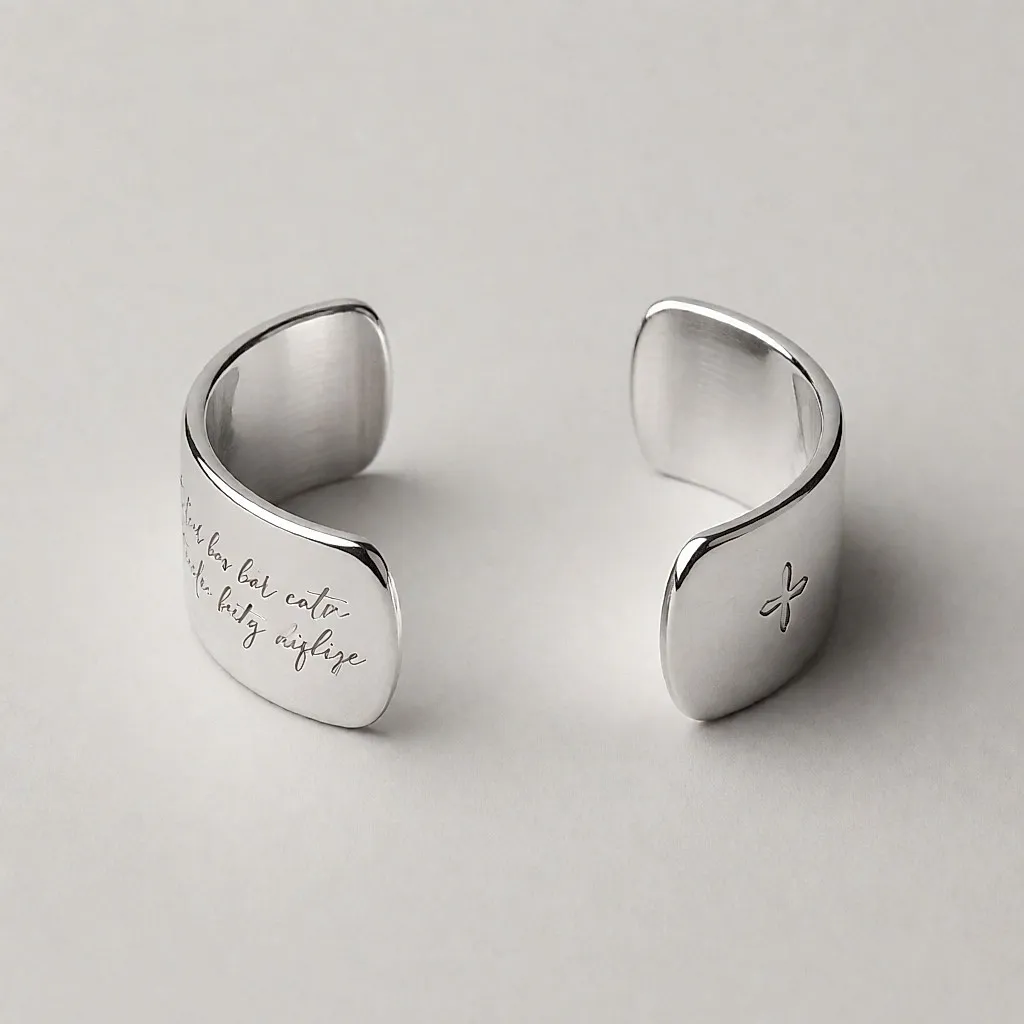
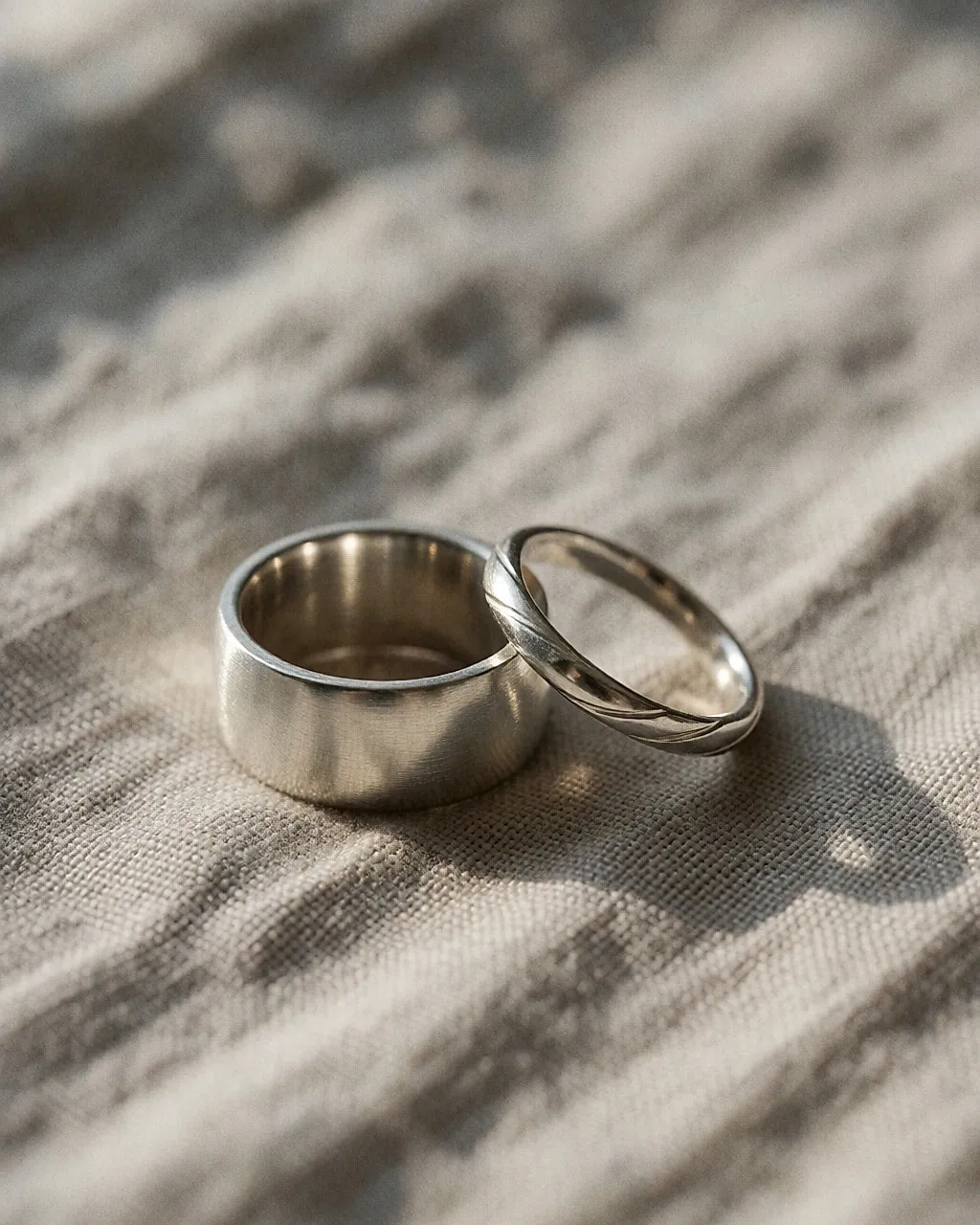
The line covers rings, wedding bands, bracelets, necklaces, pendants and earrings: enough to lift an outfit in one move, or to add a statement piece to a quieter wardrobe. Worth noting, the wedding band « Suerte ona dut », which the brand translates as "I bring luck". In Basque the phrase is closer to "I am lucky" — a rather less predictable idea than a name engraved on the inside.
One thing to be upfront about: I haven't had these pieces in my hands. Everything below comes from the brand's product information and the workshop's description.
What solid silver means on your wrist
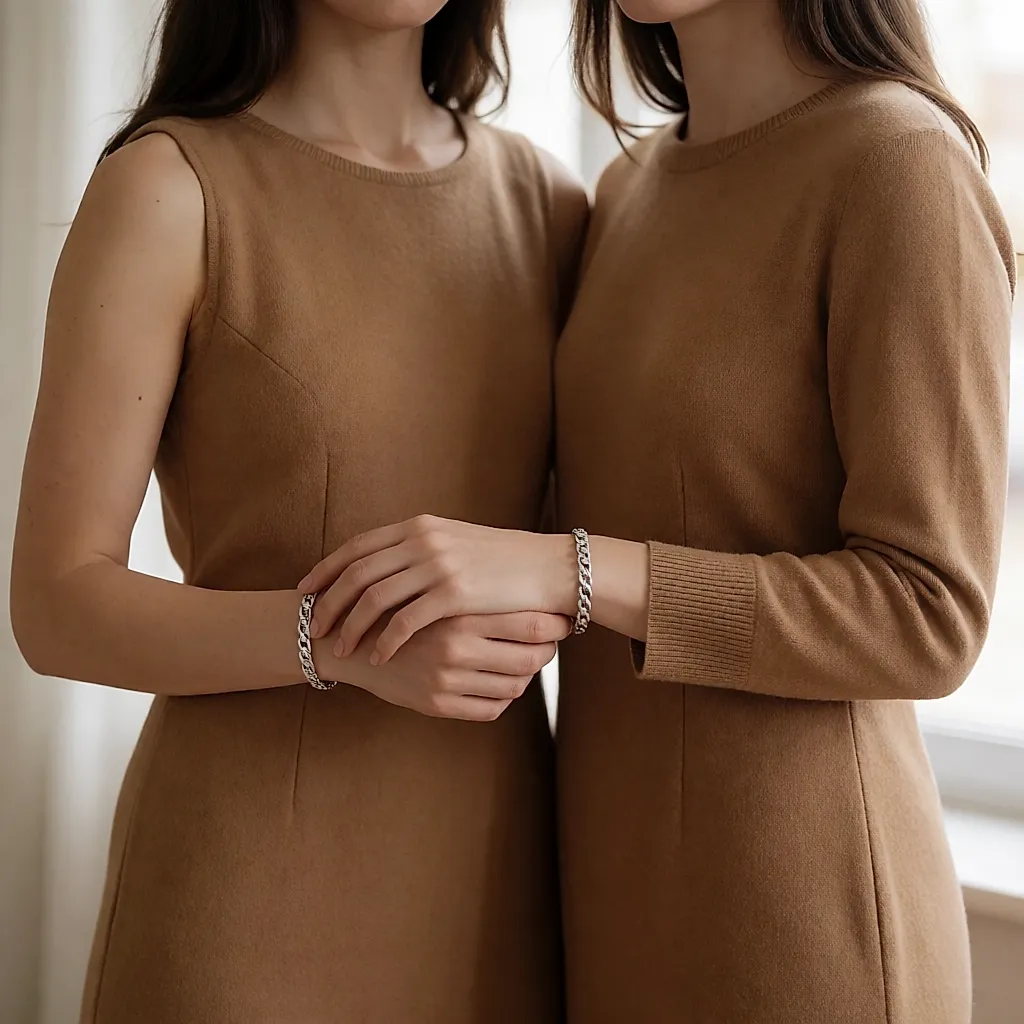
Solid silver, unlike plated, lives with you. It oxidises, it patinas, and it takes on a greyer tone over time. Nothing to worry about: a soft cloth is usually enough to bring back the shine, and plenty of people find that patina warmer than a high polish. Silver is also a metal that recycles very well, which makes it a fairly sensible buy if you're after something you won't be replacing every couple of years.
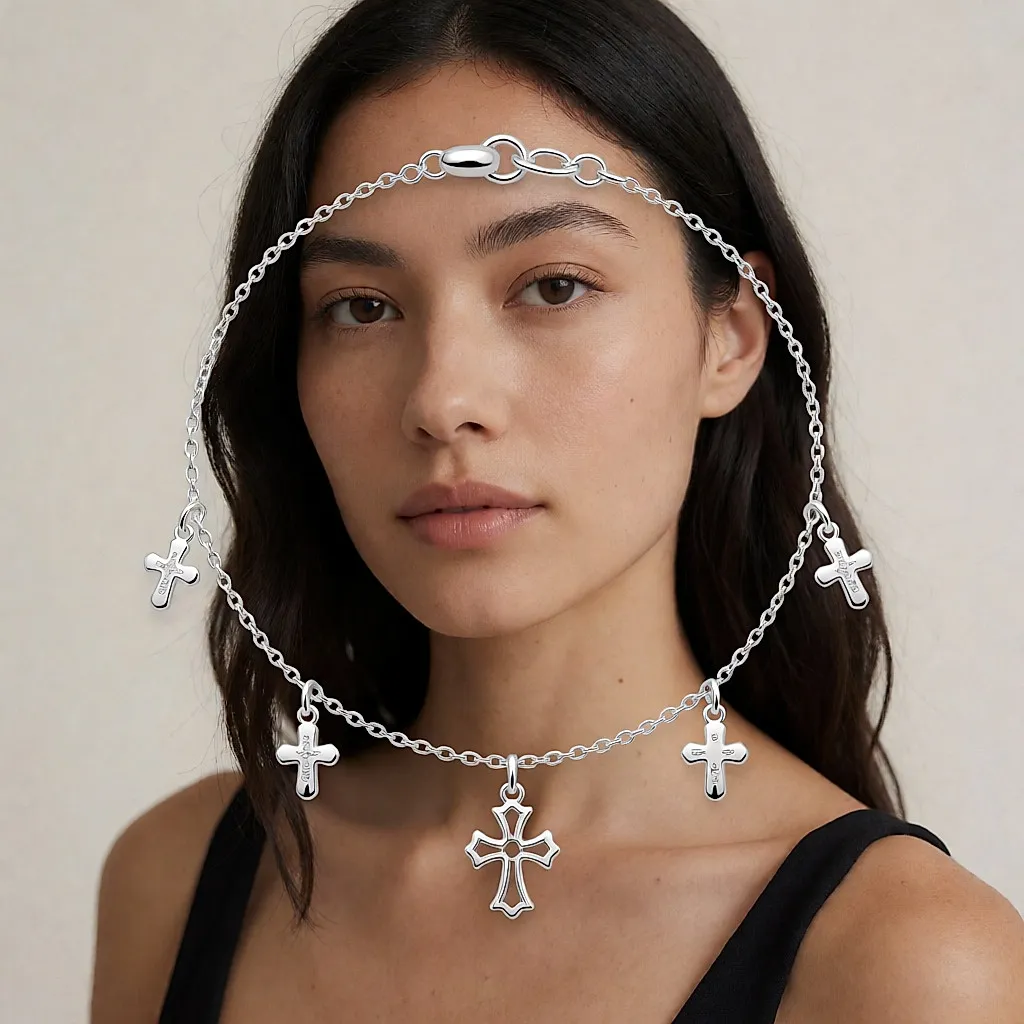
In terms of weight, the line runs from the delicate to the substantial. The double-chain bracelet with Basque charms is one of the more generous pieces in silver: something you feel on your wrist, best for those who like the direct weight of metal.
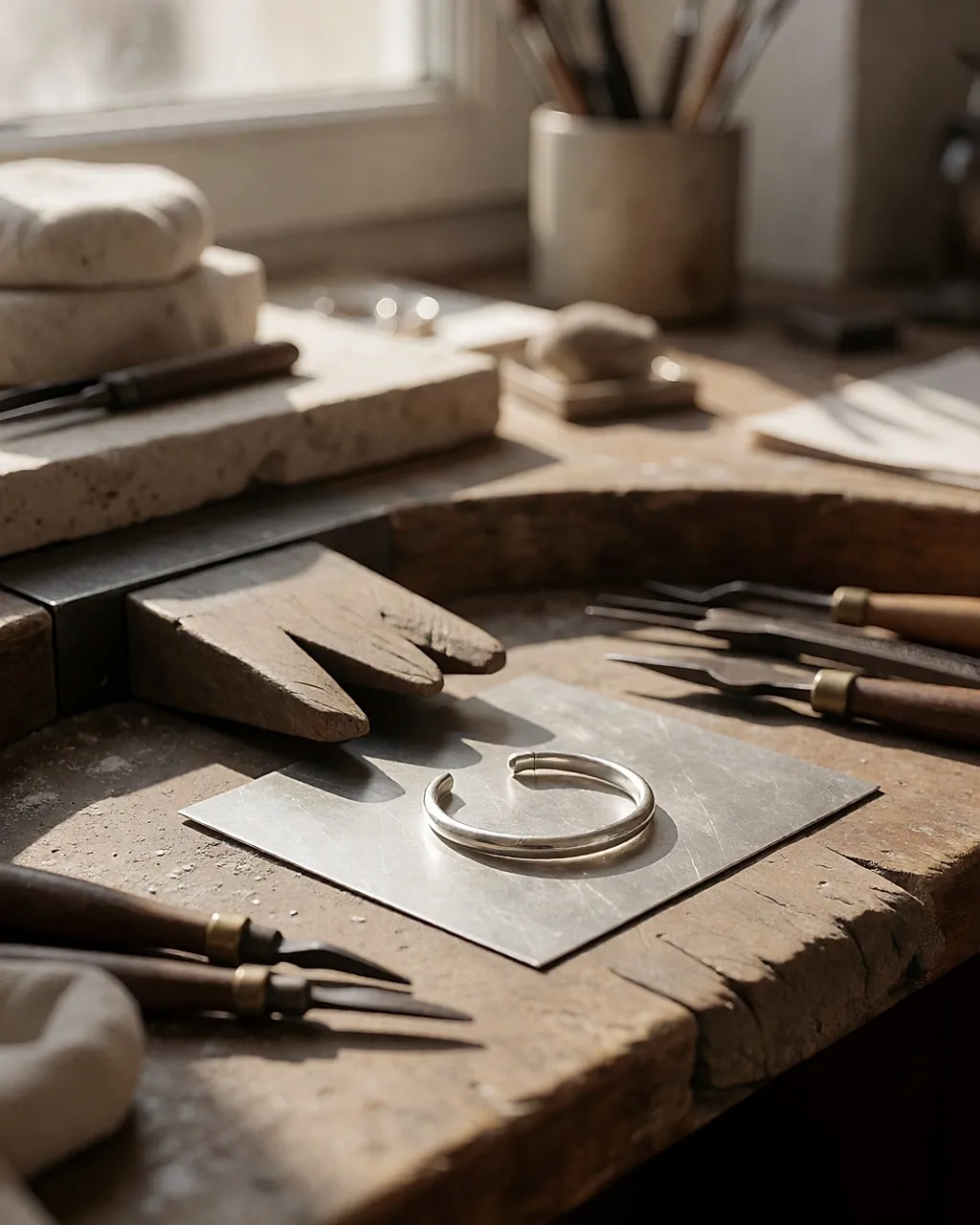
According to Madilar, production stays in France, in its Bayonne workshop, where the silver is cut, soldered and then polished before it's shipped. That's also what explains the price gap with a piece of costume jewellery picked up on impulse.
Not sure about the size of a wide ring? Have your finger measured at a jeweller rather than with a piece of string: on a band that's 15 mm wide, half a millimetre of difference is immediately noticeable. And if it's a gift, go for an adjustable piece or a bracelet — you'll cut the risk of getting it wrong considerably.
Budget
Expect to pay solid-silver prices, not costume-jewellery prices. In the UK, that generally means around £35 to £110 for a fine ring or a simple pendant, and more like £80 to £220 for a wide band or a wedding ring. A bracelet sits somewhere between £60 and £220 depending on weight, and a necklace or chain between £55 and £180.
What moves the number? The weight of the silver first — a chunky bracelet clearly isn't priced like a small chain — then how detailed the finishing is, the width of the design and where you buy it. A high-street jeweller will often charge more than an online workshop or an artisan fair, where there are fewer middlemen.
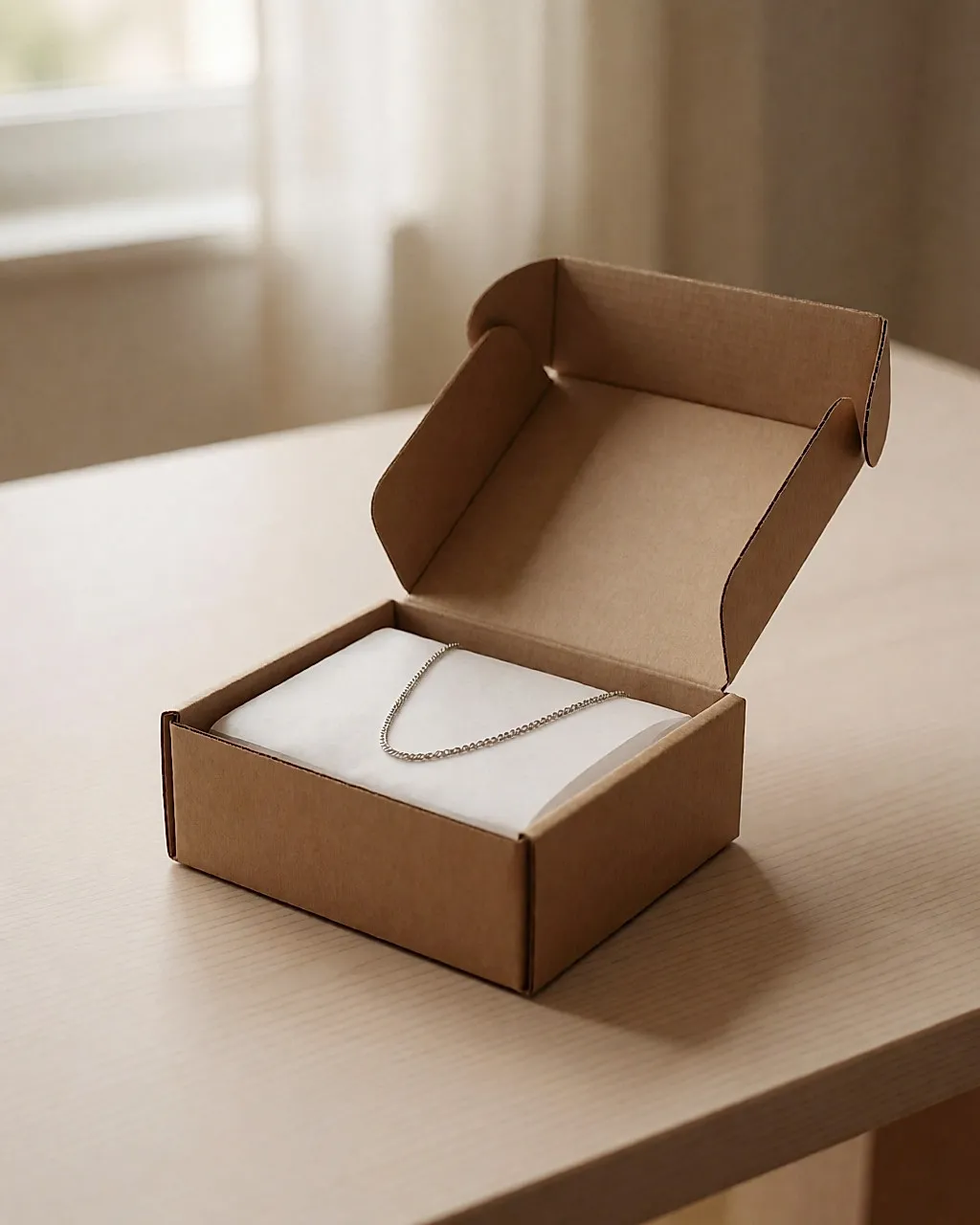
As for where to buy, the line is sold in particular through Terre de Bijoux, a France-based online boutique that stocks regional and international jewellery — worth checking postage and any customs charges before you order. Every piece comes with its own organza pouch and a guarantee certificate, so no present turning up in a plastic bag. One caveat: organza is often a synthetic fibre, so if the packaging matters to you, the simplest thing is to ask before you buy. You can also ask whether the workshop uses recycled silver — that isn't documented anywhere, but it's worth asking. And if you'd rather try before you buy, head to independent jewellers or artisan markets.
Then there's the choice of face: give the Basque side outward if the person loves being asked what it means, the translation side if they'd rather keep their stories to themselves. The detail that changes everything is picking the right face — and checking the size before you pay.

Comments
Your opinion matters: rate the article, react and reply to comments.
Comments are moderated; AI-assisted comments are flagged. Text emoticons (8-), :-), <3…) are automatically shown as images.