
You know the scene. Ten minutes in front of the wardrobe, dithering between two shirts, and Jules reaches for the same tired T-shirt for the third time this week. No need for a full overhaul: five well-chosen pieces are enough to shift how he looks.
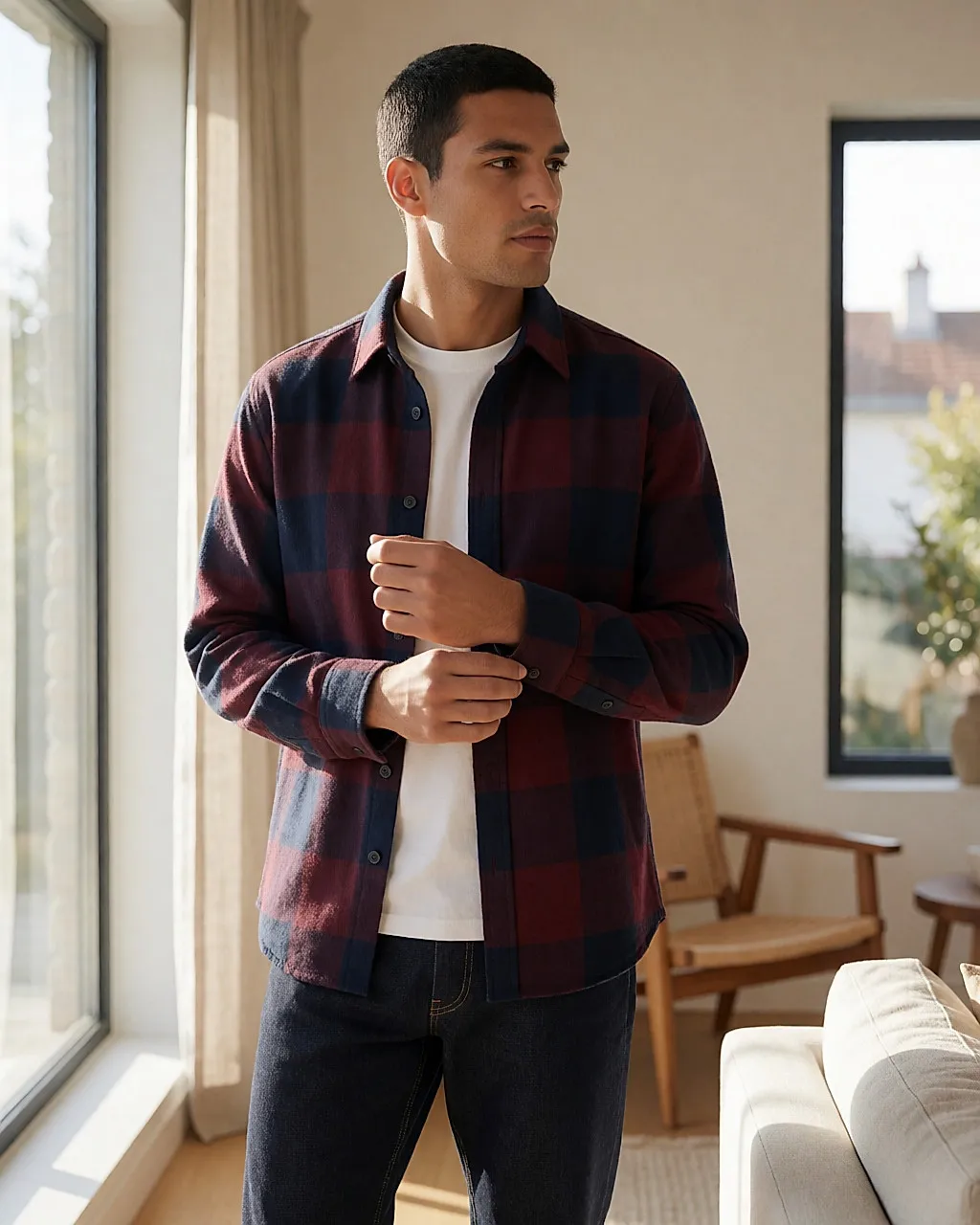
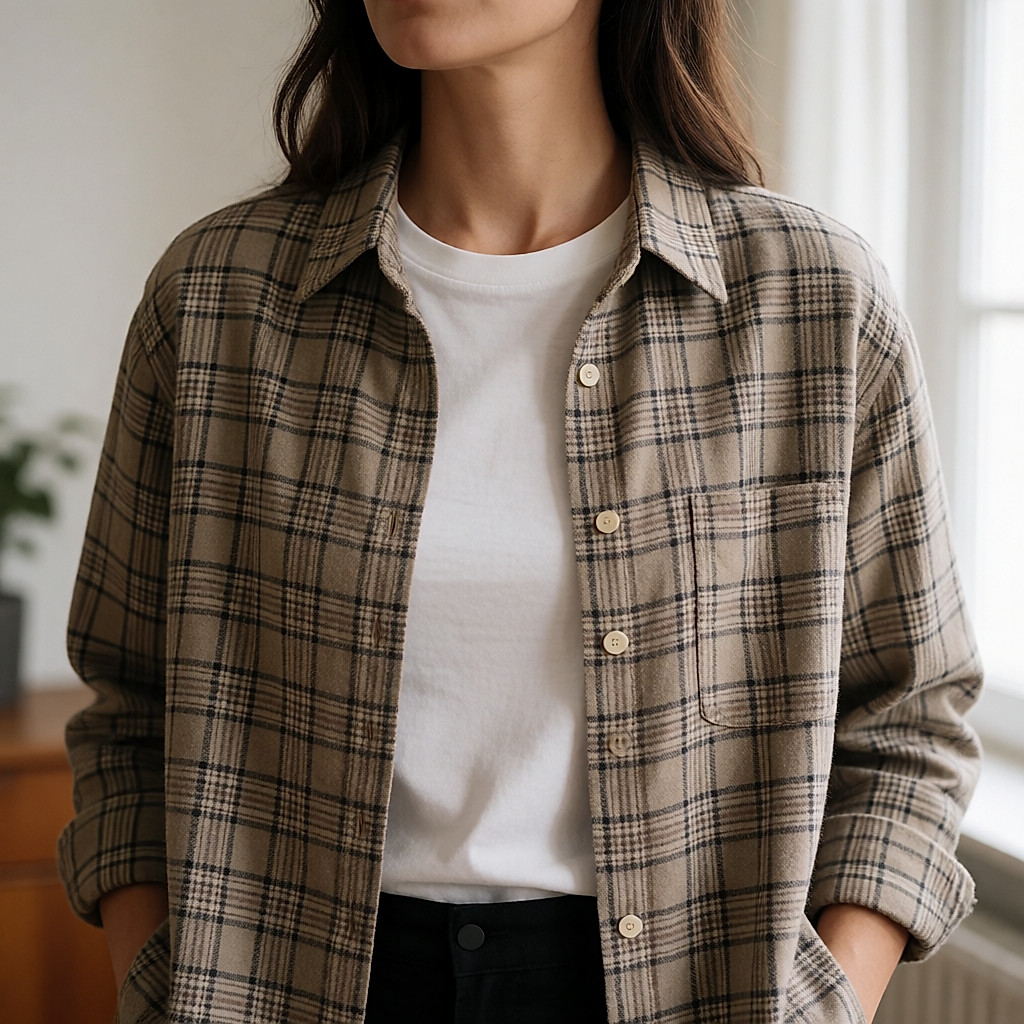
The checked shirt that does the work of a jacket
It is the safe bet of any man's wardrobe. Go for a big check — tartan, a proper Scottish check — rather than a micro-pattern that muddles the silhouette. A straight cut with a clean line over the shoulders does most of the work. Worn open over a plain T-shirt, it stands in for a light jacket; buttoned up, it slides under a blazer without adding bulk. On the fabric side, a brushed cotton flannel for winter, a crisper poplin for the in-between months.
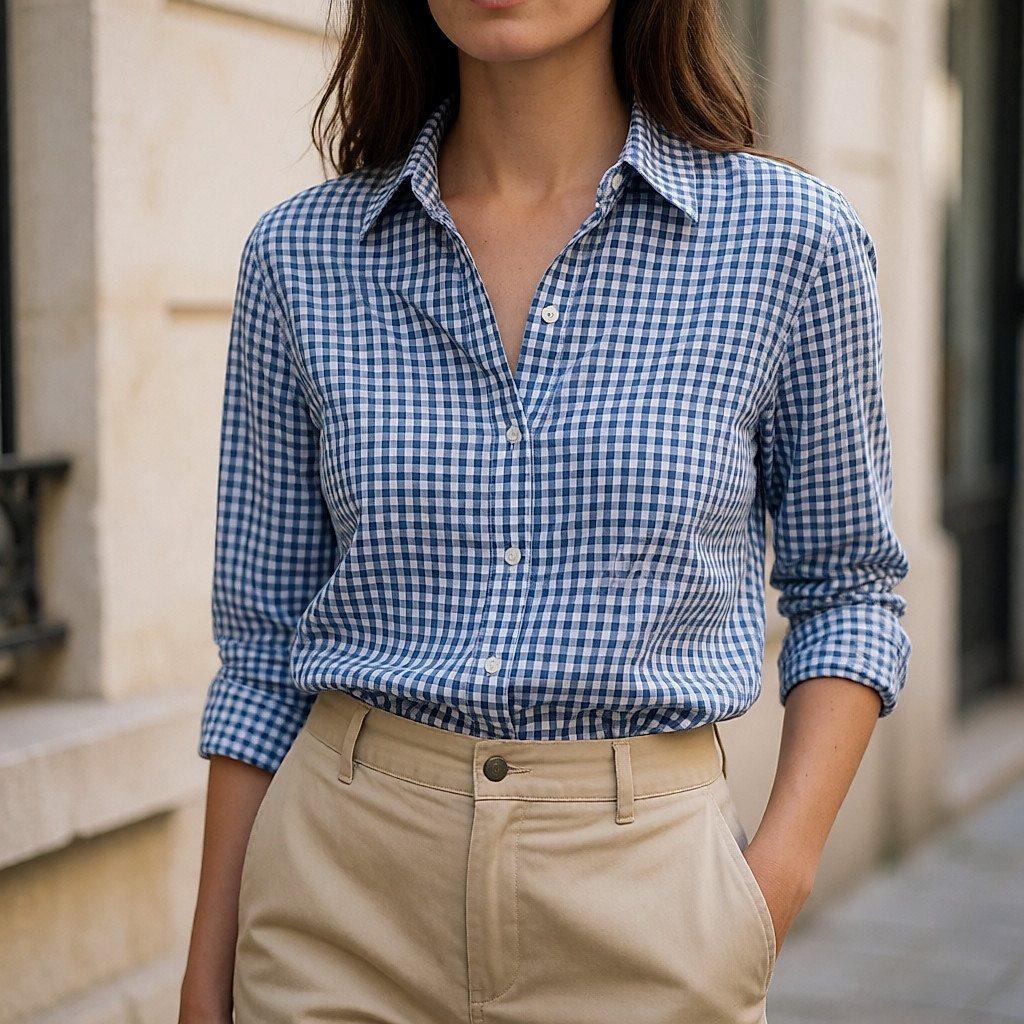
Gingham, pattern without the noise
The small white-and-colour check comes round every spring and takes zero effort. It lifts raw denim or beige chinos, and works as a matching set with shorts in the same print. Watch the scale of the pattern: too fine and it vanishes; too big and it starts to look like a picnic blanket.
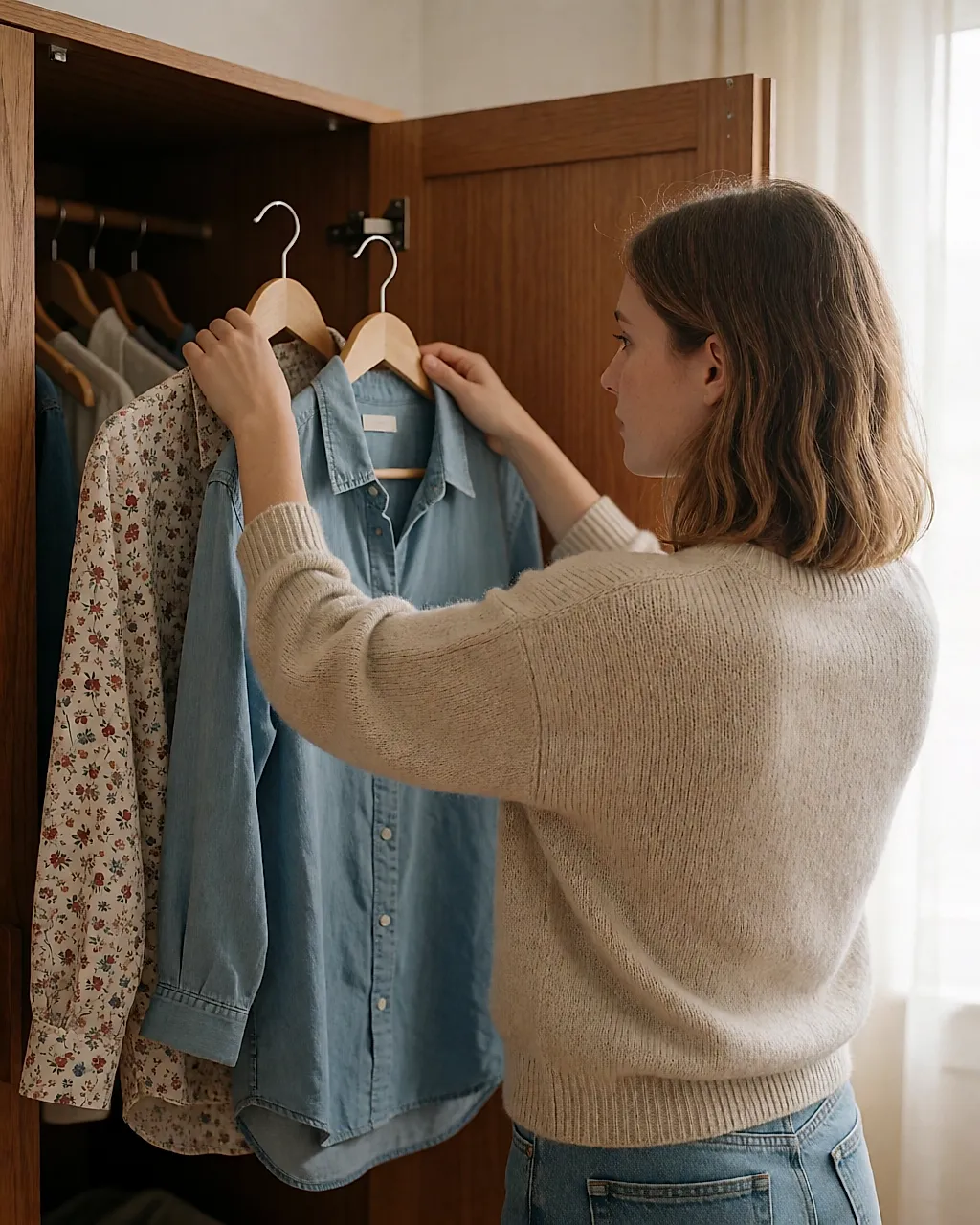
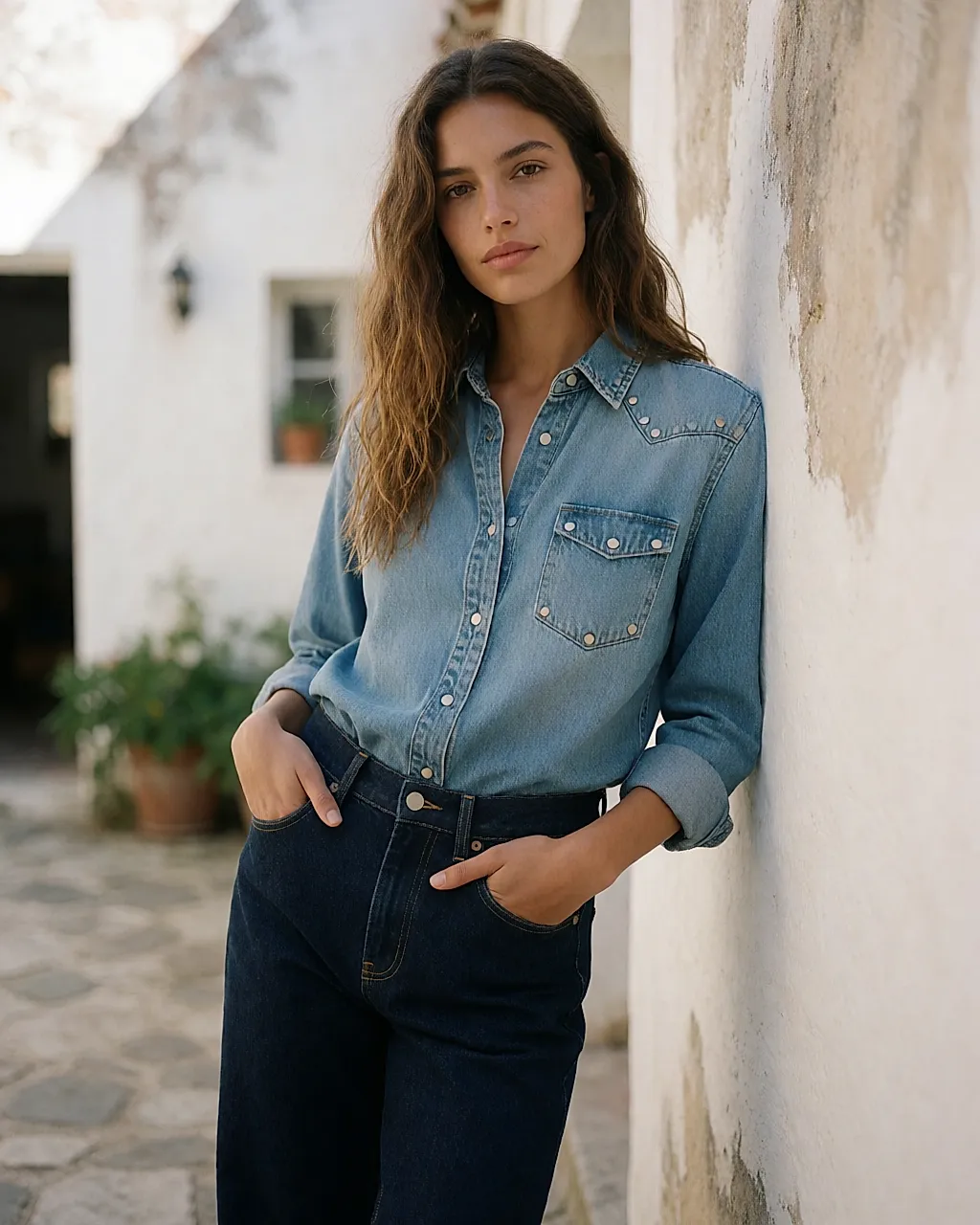
The denim shirt for full double denim
This is the easiest piece to accessorise. Raw or washed denim, press studs, a chest pocket: the foundations are solid. The trick is to offset the washes — light shirt over dark jeans, never the other way round. A slightly rough texture looks more current than a satin-smooth denim.
The Breton top you can both wear
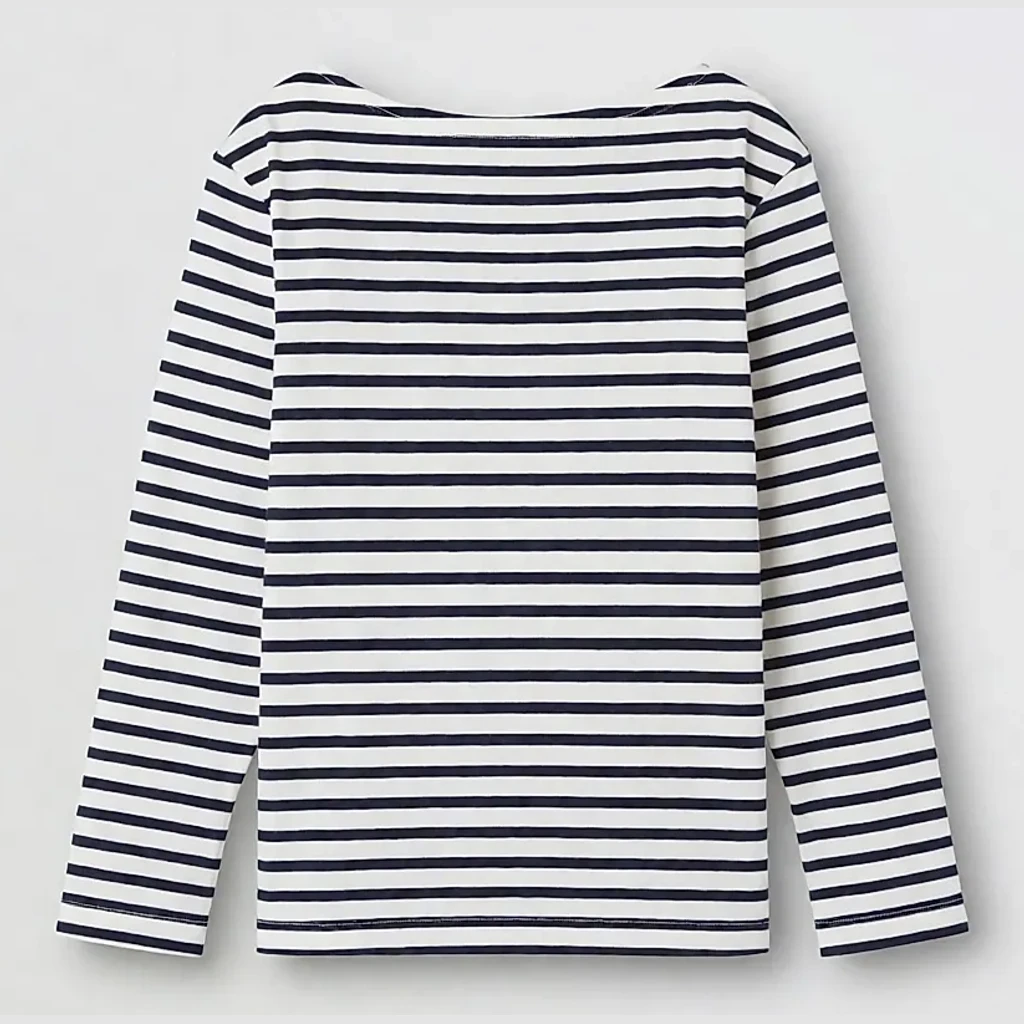
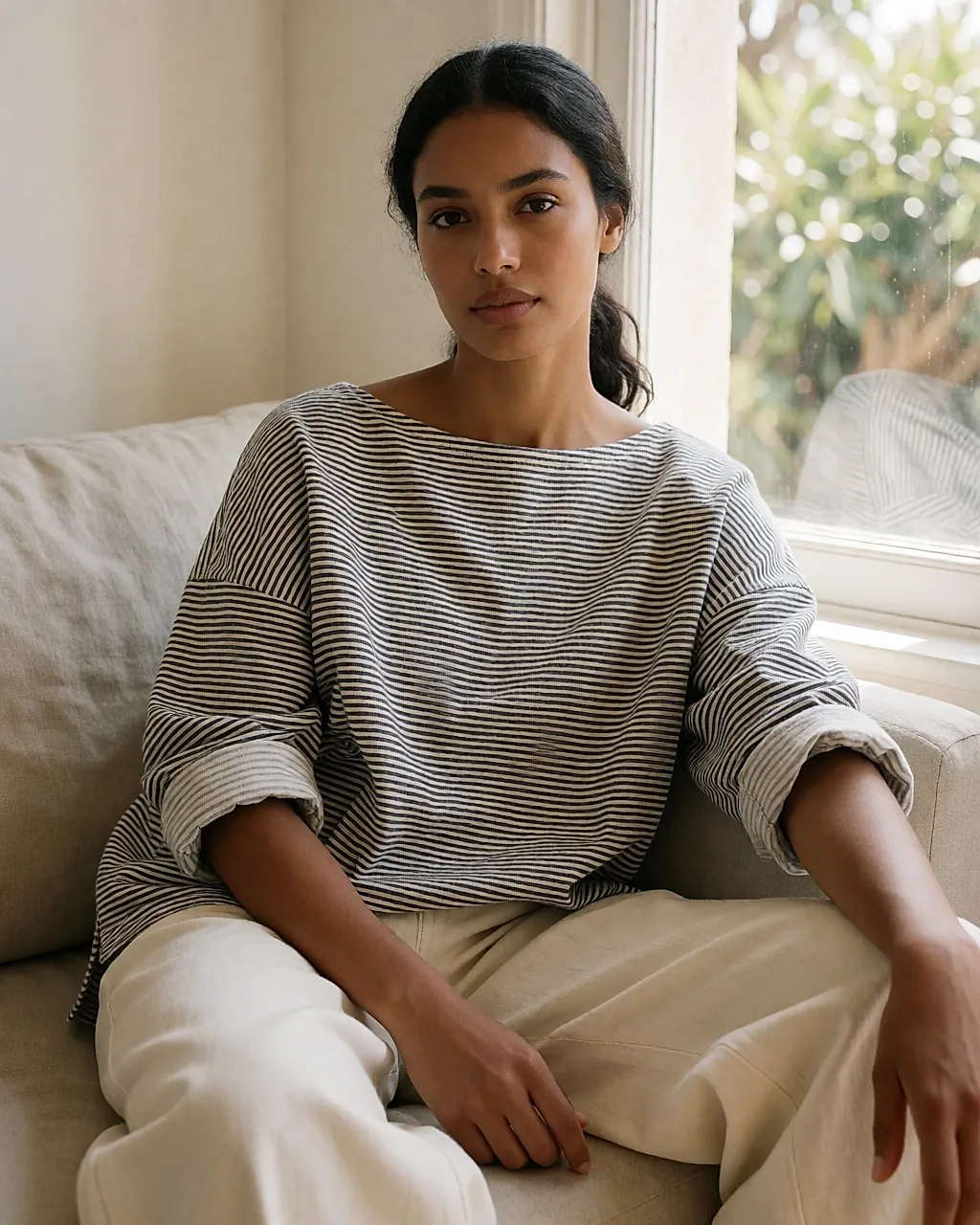
Fine stripes, a boat neck, heavyweight cotton: the Breton top has crossed the decades without ageing a day. Good news: it is often cut generously, so it genuinely works as a shared piece. You can borrow it without it going baggy at the elbows. Go for a slightly heavier cotton jersey — it holds up better in the wash than a thin cotton.
Liberty print, in small doses
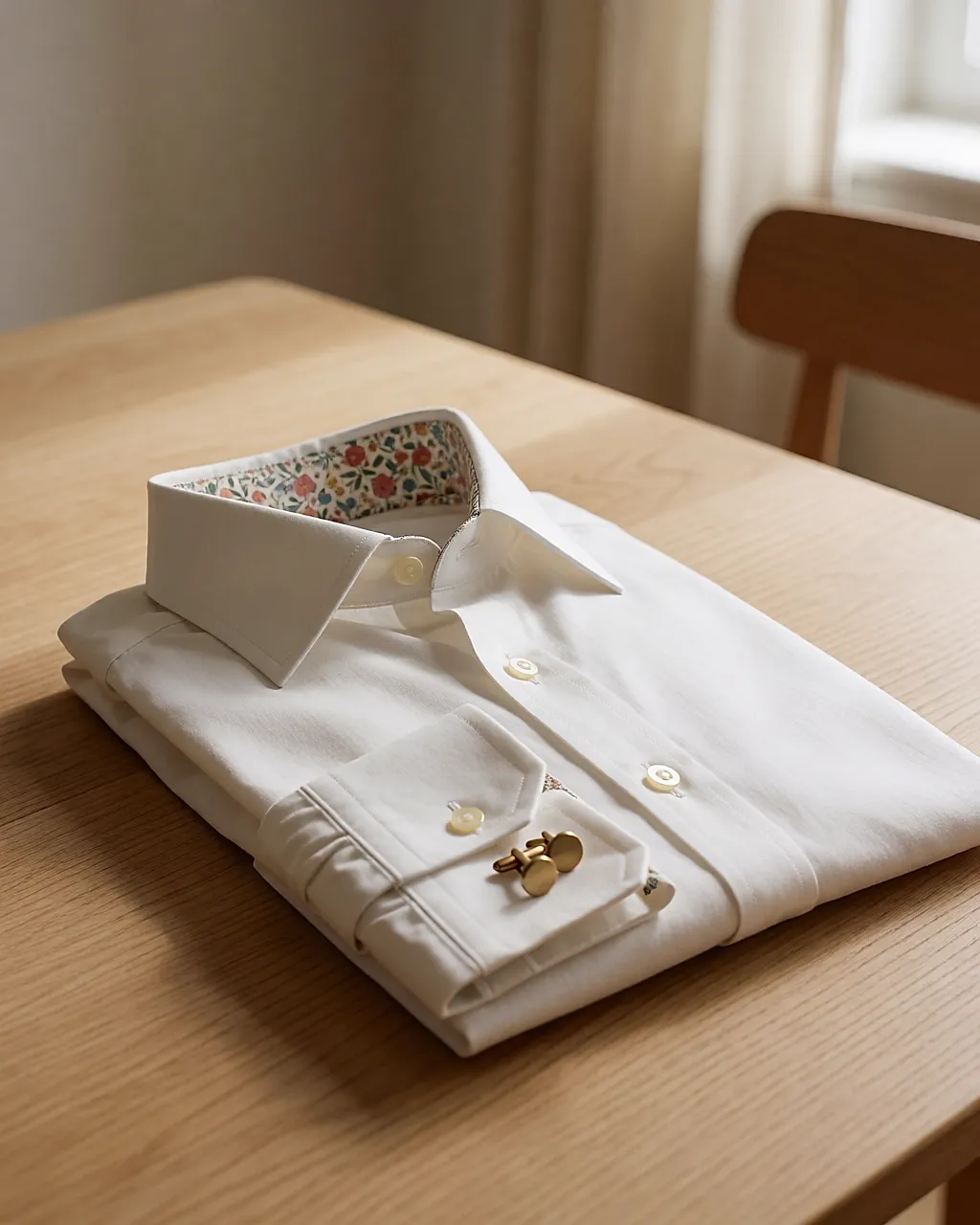
A full floral print on a man is a gamble. A collar lining, a piped seam, a pair of cufflinks or an inside pocket, though, dress up a plain wardrobe without turning it into fancy dress. One detail is enough; two and it becomes a costume.
One habit worth adopting: read the label before you buy. GOTS is a processing standard rather than a farming one — it certifies the processing of textiles made from certified organic fibres (the growing side is covered by recognised organic schemes such as the EU regulation or the US NOP), and it sets environmental requirements, wastewater treatment among them, at the wet processing stages such as dyeing and finishing, not at spinning, which is a mechanical process. OEKO-TEX Standard 100 limits chemical residues on the finished fabric. Two checkable references, not slogans.
What to pay
As a rough guide to UK prices, budget around £30 to £55 for a checked or gingham cotton shirt from a mainstream menswear retailer, and £60 to £110 for a certified organic cotton equivalent, often woven in Europe. A denim shirt sits at roughly £45 to £90, more if the fabric is organic or the shirt is made locally. Breton tops run from about £30 to £70, with a clear gap between French-made and imported versions. Cufflinks start at around £20 in brass and go past £85 for a Liberty print. Second-hand, these pieces turn up for £5 to £25 — the least showy way to refresh a wardrobe. Price depends mostly on the fabric, where it was made and where you buy: chain store, multi-brand boutique, second-hand shop or resale platform.
Sources
- Saint James, French maker of Breton tops
- Armor Lux, Breton tops and Breton knitwear
- Liberty London, prints and accessories
- Global Organic Textile Standard (GOTS), certification standard
- OEKO-TEX Standard 100, textile certification
- ADEME, France's environment and energy agency, on the environmental impact of textiles
- Refashion, the French textile reuse and recycling body

Comments
Your opinion matters: rate the article, react and reply to comments.
Comments are moderated; AI-assisted comments are flagged. Text emoticons (8-), :-), <3…) are automatically shown as images.