
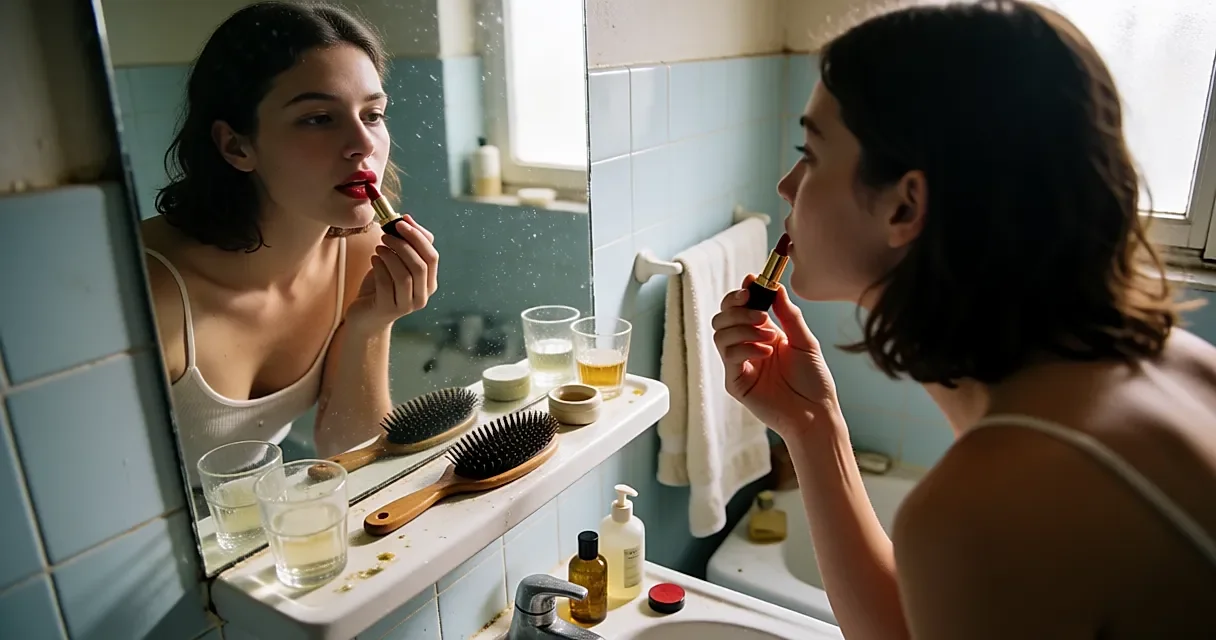
A line of nude lipsticks promises to look like you. A line of reds promises the opposite: that people will notice you. That is the logic of a range built on a single colour family — red, from pale to deep, with nothing alongside it. We are talking about an idea here, not one specific product. On paper it looks smart; in a real life it deserves a proper look at what it gives you, who it actually speaks to, and what it leaves out.
One colour — but how many shades?
No red is ever just red. It has an undertone — blue-leaning, orange-leaning, sometimes brown — and that undertone decides whether a mouth reads fresh, flat or properly sharp. A range that is entirely red does not remove the choice, it moves it. You are no longer choosing between nude, pink and plum; you are choosing inside red.
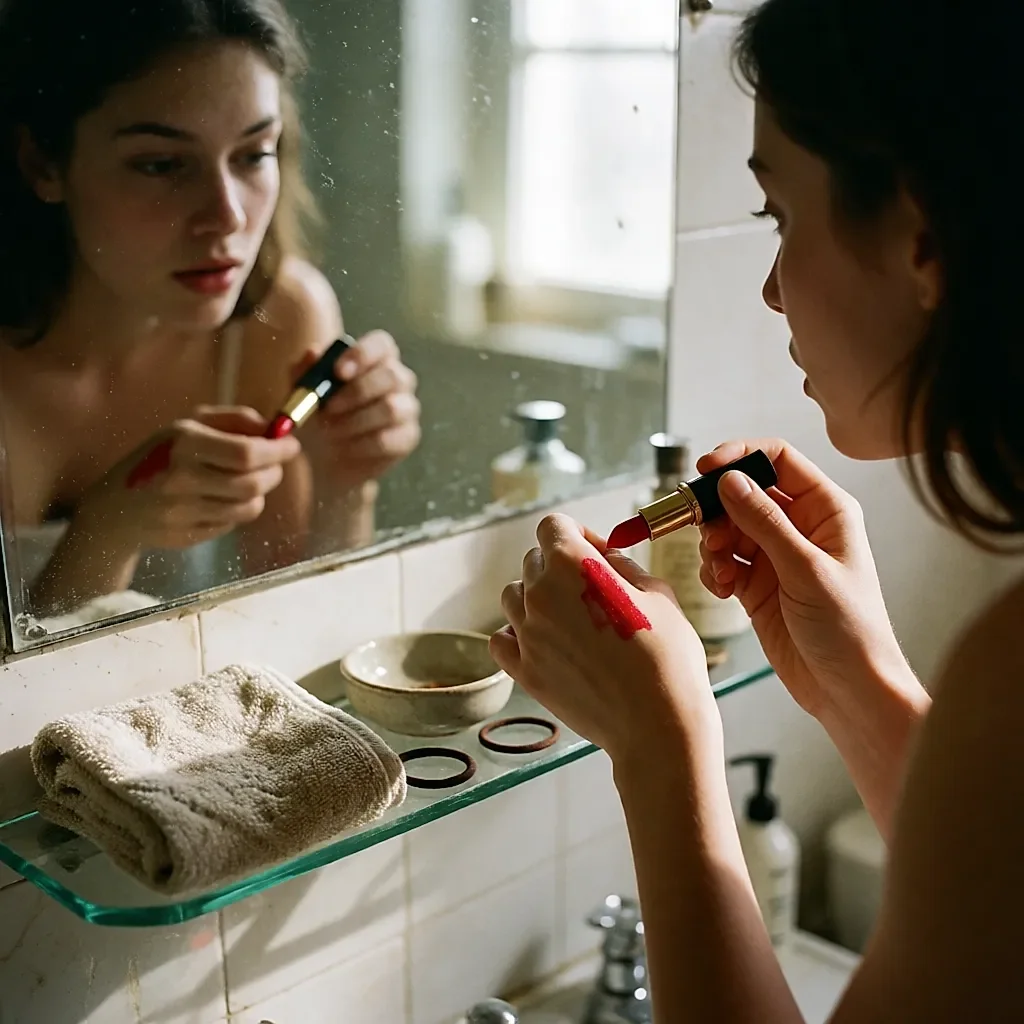
Where a conventional line buries a handful of reds among dozens of other shades, a monochrome line sets them side by side and lets comparison do the work. It is comfortable, and it is roughly capsule-wardrobe logic applied to your lips: you decide once and for all that red is your signature shade, then fine-tune by half a tone. That only holds up if the range genuinely covers undertones rather than just depths — a wall of blue-based reds is no use at all to someone whose red leans warm.
Who it speaks to, and who it does not
It speaks first to people who have already made up their minds. You know the tube on the bedside table, the one whose owner you can recognise before you see her face? If red has stopped being a costume and become your face, a monochrome line is a blessing: you can compare, adjust, go cooler or warmer without breaking your own rule.

It speaks far less to anyone after a nude, a "my lips but better", or a tinted balm for Monday morning. And then there is the great silent majority: the woman who loves red on other people and finds it too dressed-up for an open-plan office. For her, an all-red line is a lovely museum she does not always push the door of — nice to look at, intimidating to wear.
That is not a fault in these ranges, it is their principle. A line that offers one colour also tells you who it is not for, which is fairly honest in an aisle where everything usually promises everything to everyone.
The all-red line versus a classic red
A benchmark red is a tube you know and rebuy — classics such as Dior's 999 or MAC's Ruby Woo have crossed decades without changing their name. Their strength is simple: they live inside a complete range. On the same day you can have the red that makes an entrance and the nude that lets you rest.
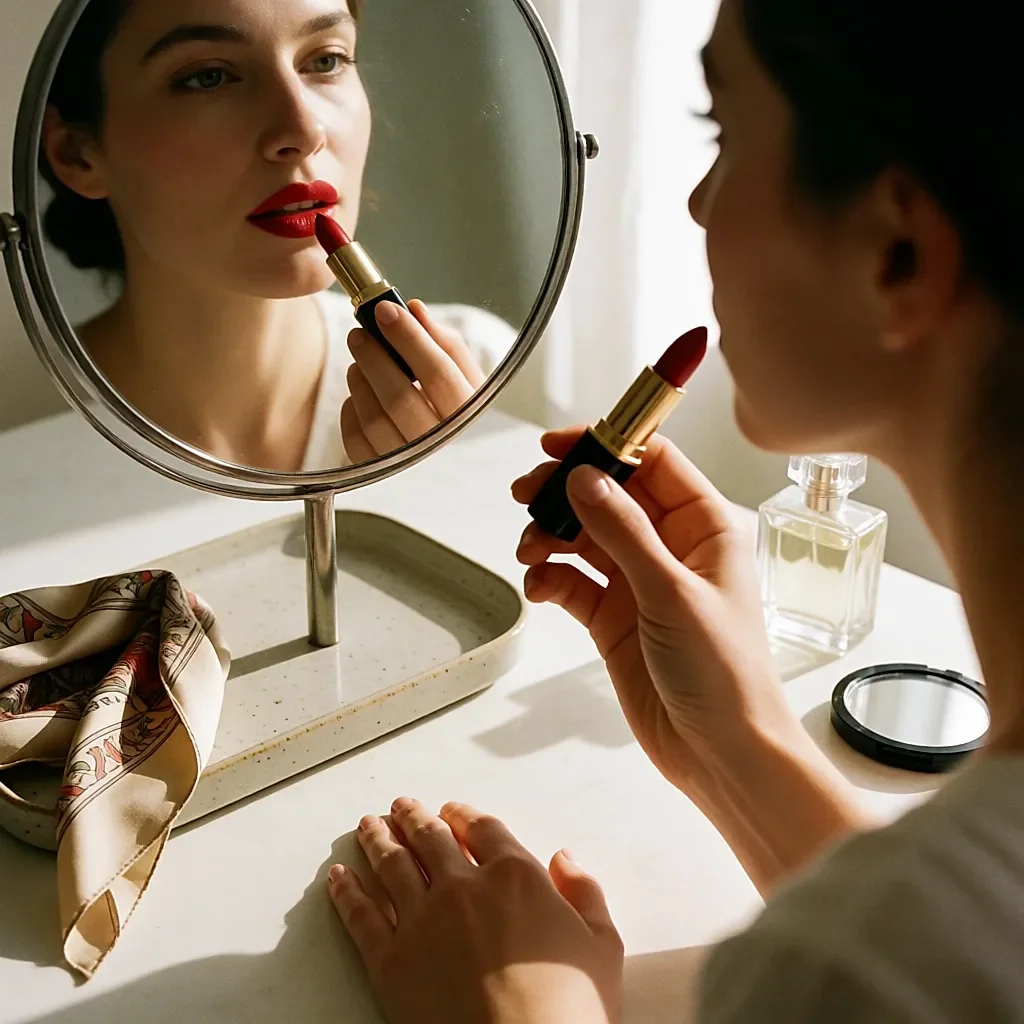
The monochrome line plays a different card, that of expertise: you do not scatter your budget, you dig into a single idea until it is exhausted. The downside fits in one sentence — if red is not working on you that morning, there is no fallback on the same stand. It is coherent if you already live in red, and mildly frustrating if you like to ring the changes. And I could not promise you that a narrow range makes it easier to find your red than a wide one: it depends entirely on how finely the undertones are pitched, and only trying them side by side in person will show you that.
Budget
Allow around £15 to £25 at a chemist or health-and-beauty retailer for a comfortable red, £25 to £40 at a department-store beauty counter for a more worked texture, and upwards of £45 in luxury houses, where the case sometimes weighs as much as the formula. An all-red line does not escape those bands: you are paying for colour, but also for the packaging.
The real saving is the refill. At Guerlain, Rouge G comes in a reusable case with interchangeable refills: you keep the case and buy only the refill. It is worth adopting the habit with any brand that offers it — check whether the tube opens and refills before you check the colour.
On formula, red is a harder exercise than it looks for natural formulations: opacity and wear often rest on synthetic pigments and waxes. Bear in mind too that some deep reds contain cochineal carmine, an animal-derived pigment — so not vegan. If you want a formula with no animal-derived ingredients, look for "carmine-free", for mineral or plant-based pigments, and read what the label actually covers: the COSMOS Organic standard governs the share of organic ingredients and the processing, not the wear time. An accepted compromise: the most opaque reds still tend to be conventional.
Three things to check before you buy
- A fingertip gives a better idea of the finish than the back of the hand, which is usually paler.
- A heavily pigmented red leaves a trace: plan on a bi-phase remover or an oil, not a light cleansing milk.
- On dry lips no shade will rescue you: gentle scrub, a light balm, let it sink in, then add colour.
So, is it worth it?
If your current red is the same one you have worn for three years, an all-red line deserves a look: you will compare what you already love without having to defend it among the pinks. It is also an easy gift — a red lipstick is harder to get wrong than a perfume.
If you want the one tube that does everything, walk on by without guilt: that is not the point of a monochrome line. The only move left, when you have five minutes and no appetite for the question, is still to try the shade on your lips, in full daylight, and watch what it does to your face rather than to the display.



Comments
Your opinion matters: rate the article, react and reply to comments.
Comments are moderated; AI-assisted comments are flagged. Text emoticons (8-), :-), <3…) are automatically shown as images.