
The bottle is pretty, the label says limited edition, and the add to basket button is blinking like an amber traffic light. Thirty seconds later, you are comparing two screenshots to work out whether the formula is the same as last time. That is where it all happens: not in the scarcity, but in the small print.
Why 'limited' tells you almost nothing
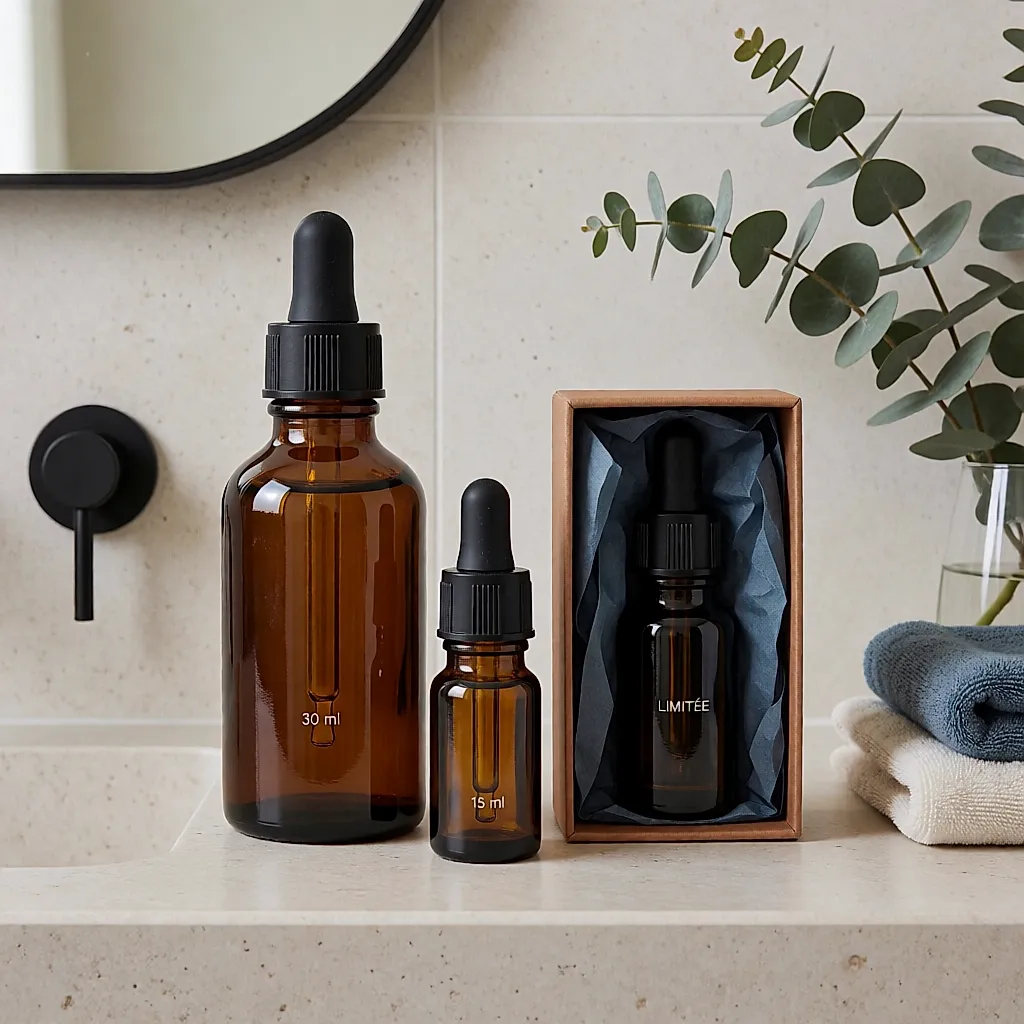
The word can cover at least three very different things. There is the identical relaunch — same formula, new look, often for a brand anniversary or an end-of-year promotion; the reformulated comeback — the name has not moved, the contents have, and no one comes right out and tells you; and the special format — a smaller size, a travel bottle, a gift set, in other words the same product in more photogenic packaging.
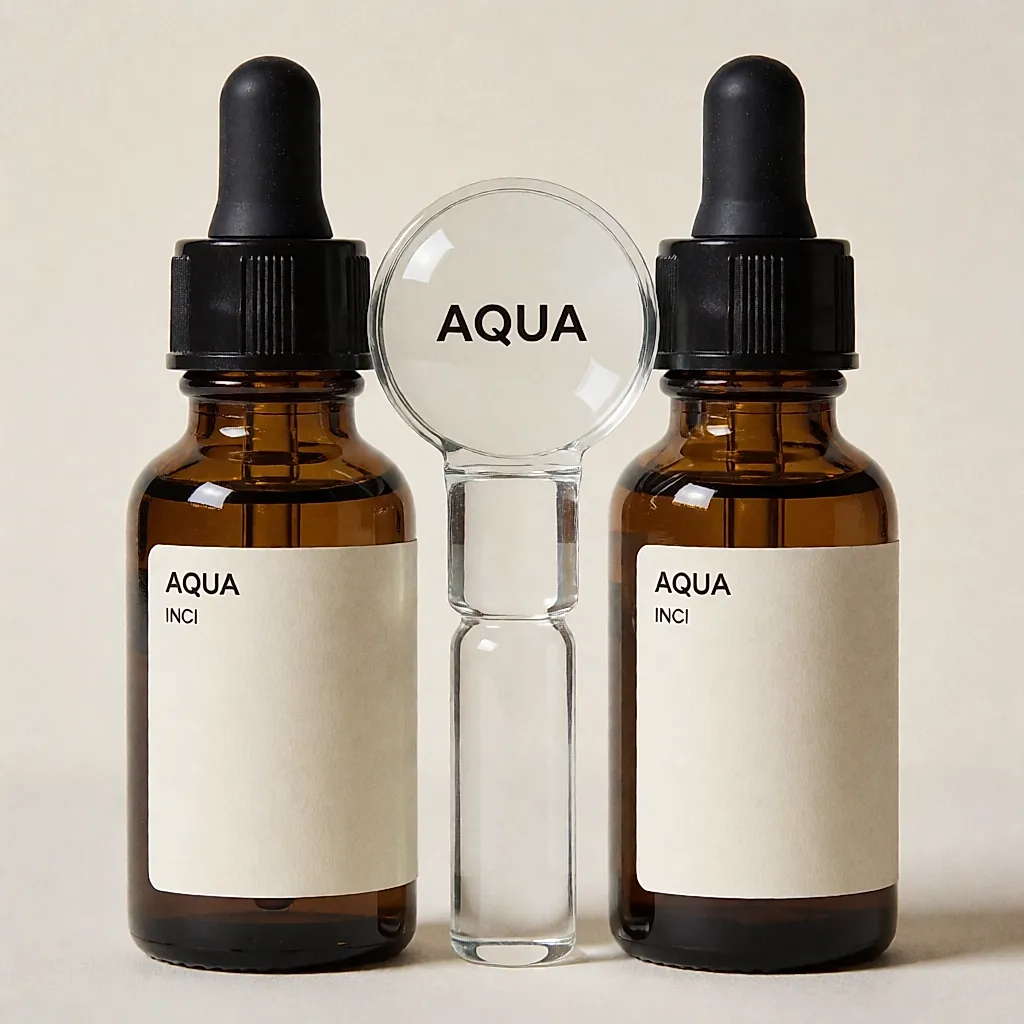
The snag is that the product page almost never tells you which category you are in. You have to go looking yourself. The INCI list — the one that starts with Aqua — is the only genuinely chatty document, and even then: ingredients are listed in descending order of concentration down to 1%, then in any order. So it gives you an idea, not a recipe.
Same formula, or quietly reformulated?
If you kept the old bottle — the back of the drawer, that graveyard of half-empty products — compare the first five ingredients and where the actives sit. An active that moves down several places, a fragrance that appears, a preservative that changes: those are signals. Not proof. A reformulation can also come from a regulatory change, an allergen that needs relabelling or an ingredient that has become unavailable, and in that case no one has done anything wrong.
Second check: the dates. Look for the minimum durability date — often a best-before date — and the little open-jar symbol with a number inside, the PAO, which tells you how long the product lasts after opening. On a limited edition bought second-hand — and yes, that happens fast — those two details are your only safeguard. An opened bottle, with no box or readable label, does not become valuable just because it has sold out.
The sum nobody does
Take a very simple calculation: 30 ml at £45 works out at £1.50 per ml; the same product in 50 ml at £65 is £1.30 per ml. So the 'collector' format is not automatically the most expensive per millilitre — and the reverse happens too. The real trap is the mini you buy for the object and never use, because the pump is tiny or the jar too narrow to get your fingers into.
Packaging matters as much as the formula. A jar looks lovely on the shelf and is more questionable for an air-sensitive active; a pump or tube is less glamorous and more practical. And if the brand offers a refill, check that it is actually compatible with the bottle you already own: that is often the only real saving in the whole business.
Will you be able to buy it again?
This is the question that avoids disappointment. 'Limited edition' does not mean 'one-off': some formulas come back every year at the same time, others disappear for good. Look on the product page for words such as 'back', 'relaunch' or 'seasonal collection'. Also check whether the product reappears elsewhere in the permanent range, under another name and in less theatrical packaging: it happens.
Another route: customer service. A simple question — is this edition a one-off or here to stay? — often gets an answer within a few days, sometimes more candid than all the marketing on the page. If the answer is no, only one useful question remains: am I buying this product because it suits me, or because it will not come back? The second answer is expensive.
What it costs
On price, a limited-edition face product generally stays within the price band of the line it comes from: roughly £25 to £60 for a mid-market serum or cream, and from £70 to £150, or more, once you get into premium skincare houses. The extra cost, when there is one, usually comes from the packaging — tinted glass, screen-printing, a gift box — rather than the formula.
Where to find it? Department stores and beauty retailers, and the brand's own website for seasonal and anniversary editions; sometimes salons; very rarely supermarkets. On resale sites, beware inflated prices and half-empty bottles presented as treasures: claimed rarity has never filled a bottle.
Before you click: is the INCI list identical to the one on your old bottle? Has the size changed? Does the price per millilitre still hold up? Are the minimum durability date and PAO legible? Does the brand say the product is coming back or gone for good? Five answers, two minutes, and sometimes one fewer purchase — which is also a way of getting the sale right.
There are few skincare products we regret letting go; there are many we buy twice because we caved too quickly. So next time the button blinks, give yourself thirty extra seconds: the bottle may be gone, but your budget will thank you. And if you really miss the product, it often comes back — if not, another will do the job perfectly well.
Sources
- European Union — Regulation (EC) No 1223/2009 on cosmetic products, consolidated text.
- European Commission — CosIng, the cosmetic ingredient database, free to consult.

Comments
Your opinion matters: rate the article, react and reply to comments.
Comments are moderated; AI-assisted comments are flagged. Text emoticons (8-), :-), <3…) are automatically shown as images.