

Waterproof mascara and a water-based eye make-up remover are like two people who don't quite speak the same language. One is designed to repel water; the other arrives with water as its main ingredient and the firm expectation that this will be enough. The result: the cotton pad slides, the lash is pulled, and the lash loses out.
Why water alone won't do it
A waterproof mascara is not simply a tougher version of a regular one. Broadly speaking, it stays on the lash thanks to ingredients that dislike water: waxes, film-forming polymers and silicones. That film has a huge upside - it doesn't run at the pool, it survives a downpour and the tears at the end of a sad film - and a flip side: it will not simply rinse away.
A water-based eye make-up remover, for its part, is mostly water with a few mild surfactants. On ordinary make-up it does a very good job. On a waterproof film, it skates over the surface. You can keep going: the cotton pad will eventually pick up colour, but the formula has not given way; you have rubbed it off. And that is where the real trouble starts.
Because the charge against waterproof mascara - that it damages lashes - deserves a closer look. The product alone is rarely the named culprit: it is the rubbing session it imposes when you go about it the wrong way. A lash can snap, bend or be pulled out when you tug at it every evening with real determination. Nobody does it on purpose. Most of us do it a little.
What oil changes about the method
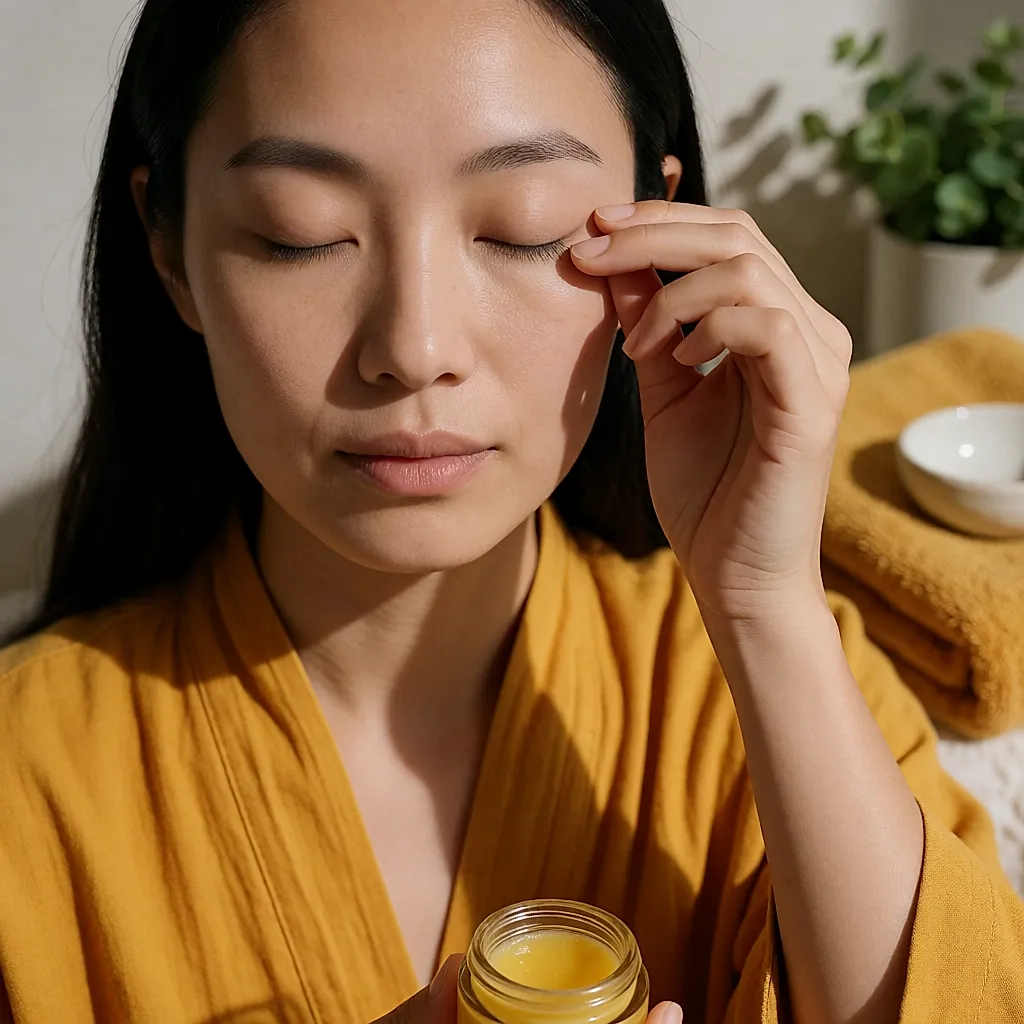
A cleansing oil or balm does not fight waterproof mascara: it dissolves it. The oils mingle with the film, soften it, and the lash ends up clean without a battle. An important nuance: this does not mean everything comes off in the blink of an eye. Leave it on for as long as it needs, often a few minutes, and accept it.
What does it look like in practice? Two pumps into the palm or three fingers into the pot, eyes closed, then gently massage the lashes between thumb and forefinger without pulling. Then add a little warm water: the oil turns milky. This is emulsification. A cotton pad soaked in water or a gentle remover finishes the job at the lash line, and you sweep downwards along the lashes rather than zigzagging. The melted film comes away in one pass; if any remains, start again instead of pressing harder.
One honest caveat: oil sometimes leaves a veil over the eyes, and some people find their vision a little blurred. A pass of gentle cleanser or a rinse with warm water sorts it out. If it stings, rinse and change product, without beating yourself up.
Balm, oil or two-phase remover: which one for which evening?
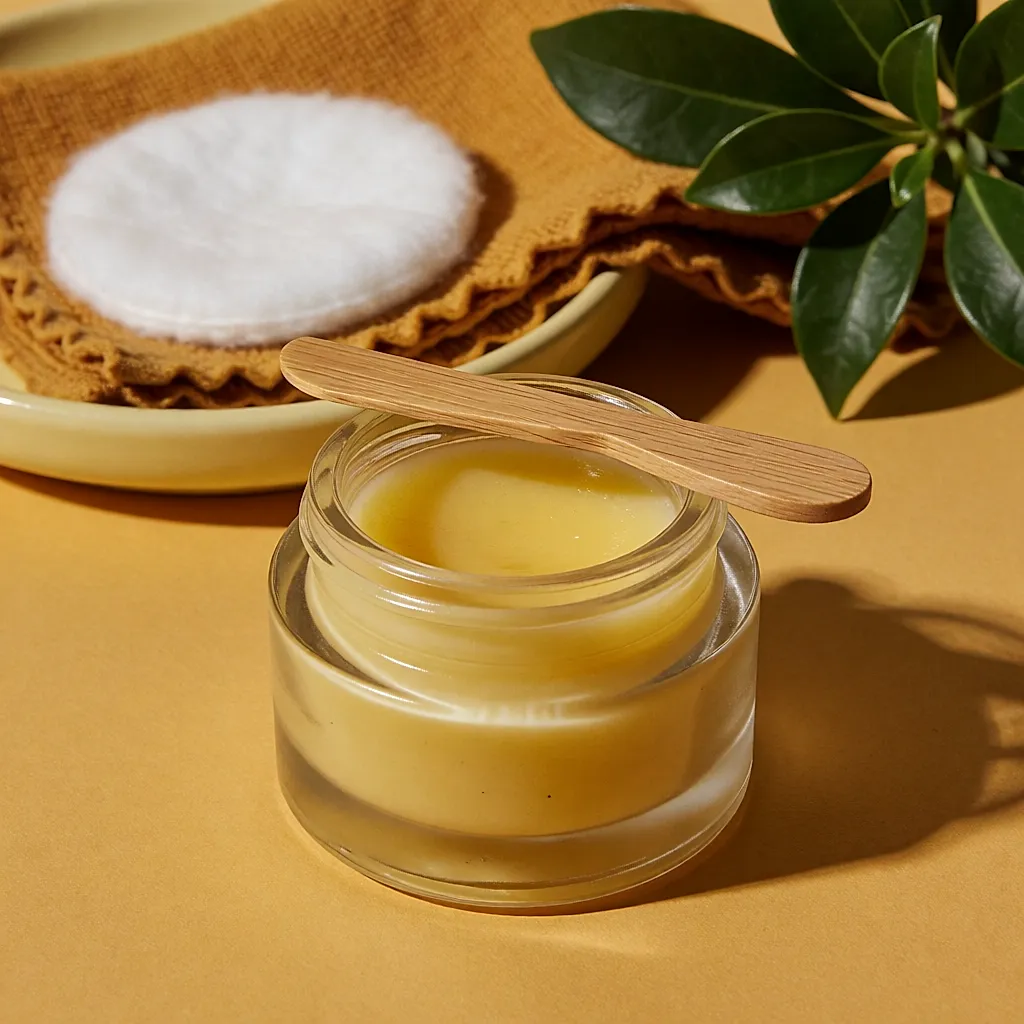
A solid balm is scooped out with the fingers, takes a little patience to melt and makes the ritual almost pleasant; a good pick for travel, often in a glass jar or a solid format with no bottle. Oil is the quickest, provided you accept a slightly longer emulsifying time, and the easiest to find in refill format. Two-phase remover, finally, is practical and effective on the eyelids - but it calls for a separate cotton pad for each eye, which soon adds up in the bathroom.
An everyday stopgap: a simple plant oil, jojoba or sunflower, does the job on lashes. Less emulsification, a greasier residue, a tiny price. It is not the most elegant solution, but it is often the one that saves a tired Sunday night.
Stop scrubbing and let it sit
The rule that makes the difference fits in one sentence: do not rub to remove; let the oil do the work. Leave it on for as long as it needs, often a few minutes, while you do something else - reply to a message, listen to a podcast, turn the lights down - and that patience is worth more than any brisk back-and-forth.
And if you wear waterproof mascara every day, ask yourself: do you need it when your day is spent at a desk? The hard-wearing formula earns its place for a swim, a wedding, a day when you know you will cry. The rest of the time, a regular formula comes off faster and takes less effort.
Equally, never tug at lashes to loosen a clump. Add another drop of oil, wait, and it will come away.

Budget
There is no need to spend a lot. Expect to pay roughly £8-£20 for a cleansing oil from a supermarket or beauty retailer, £12-£30 for a balm in a jar, and £35 and up if you move up a tier or choose a refillable format. A basic plant oil is about £5-£12 from a health-food shop.
Where to look: the supermarket (the health-food aisle hides some excellent value), beauty retailers, pharmacies and specialist brands online. The criteria that really make a difference: a short, readable ingredient list, quick emulsification, a glass or refillable container, and a solid format if that appeals. An organic certification sets standards for ingredients and production; it does not make a cleanser more effective on waterproof mascara - it is the oil that does the work.
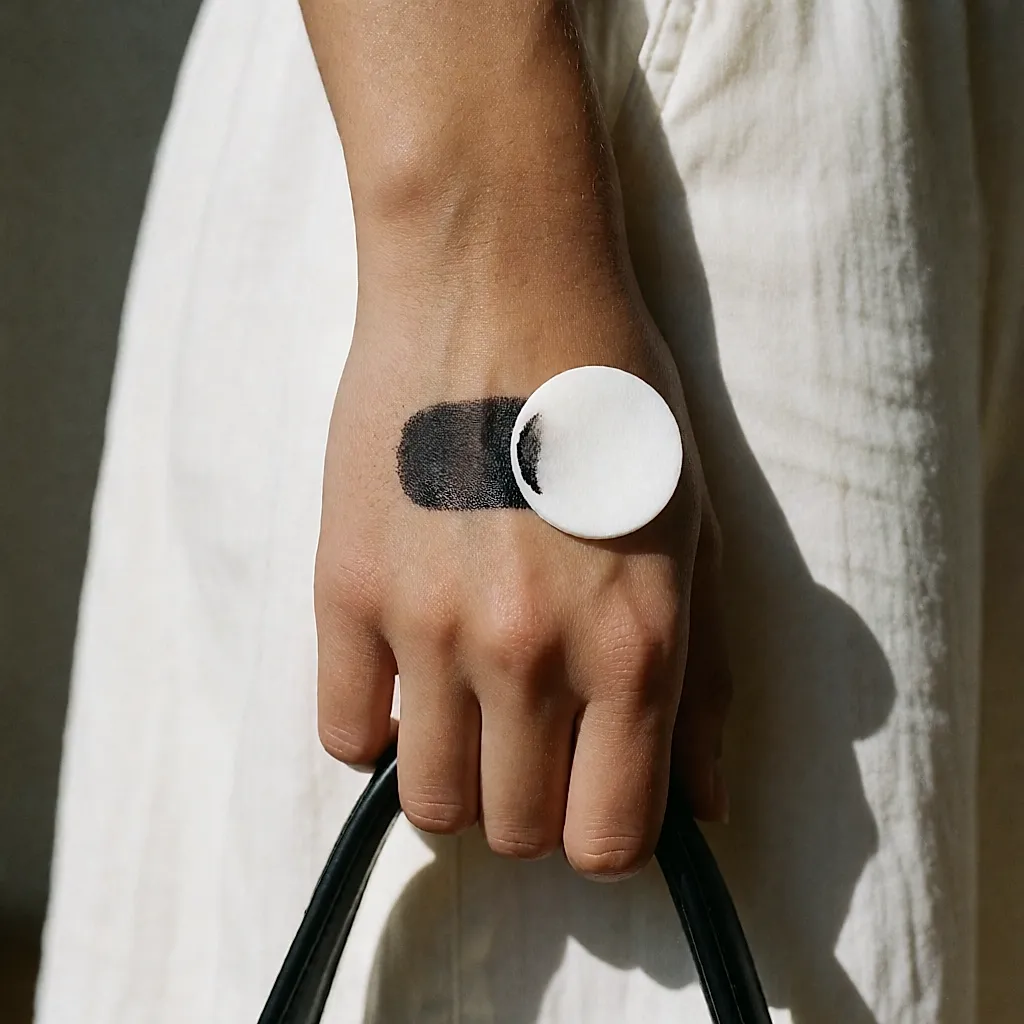
The back-of-the-hand test: draw a stripe of waterproof mascara on clean skin, then try your candidates one by one. The one that dissolves it fastest, in a single pass and without rubbing, is the winner. It costs nothing and saves you from three disappointing bottles.
There is no reliable figure for the number of lashes lost at the bathroom mirror - and frankly, we would rather not know. So tonight, apply the oil, close your eyes, leave it on for as long as it needs, often a few minutes, and let it get on with the job. The mascara will come away on its own, and your lashes will thank you in the most discreet way possible: by staying put.


Comments
Your opinion matters: rate the article, react and reply to comments.
Comments are moderated; AI-assisted comments are flagged. Text emoticons (8-), :-), <3…) are automatically shown as images.