
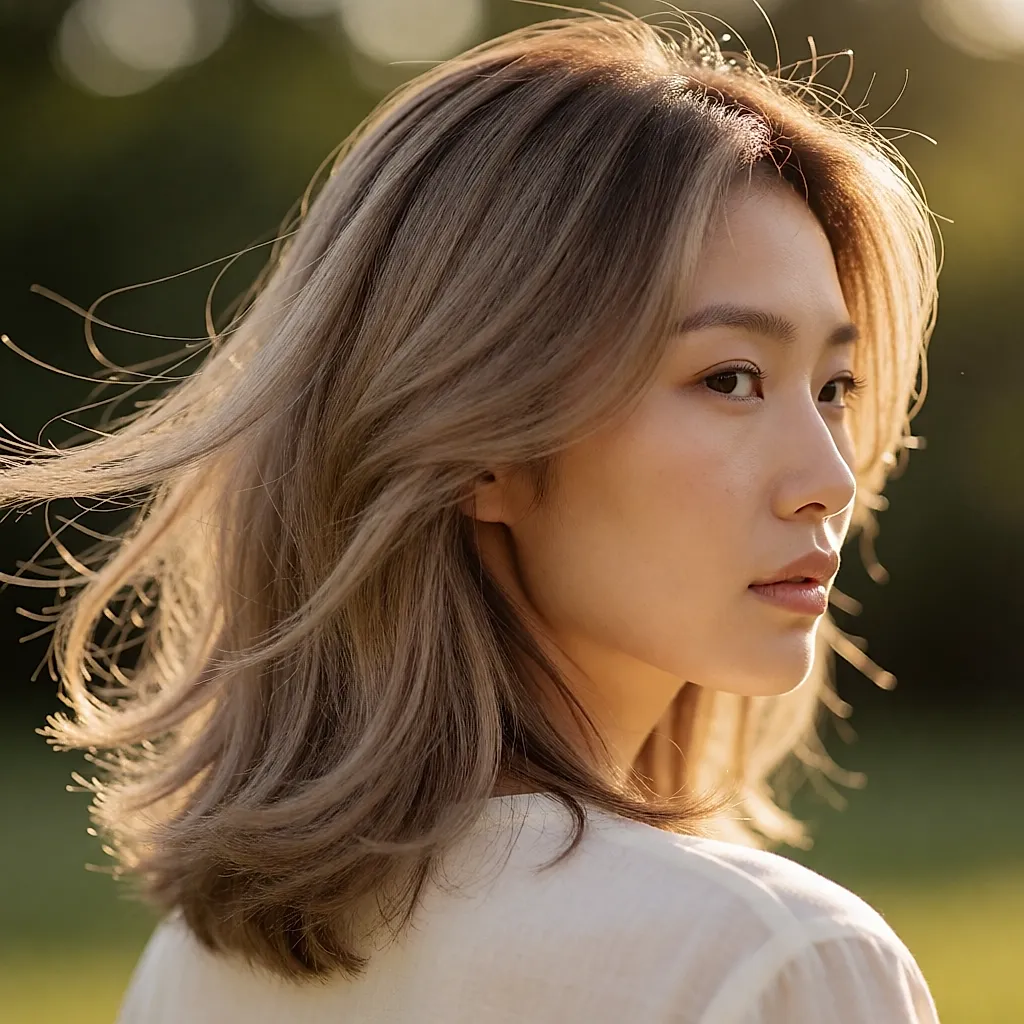
You're flicking through an old magazine at the hairdresser's, waiting your turn, and you land on the beauty pages from another era: light blondes, honey highlights, fringes back on the agenda, layered bobs. That season was after movement, not frozen perfection.
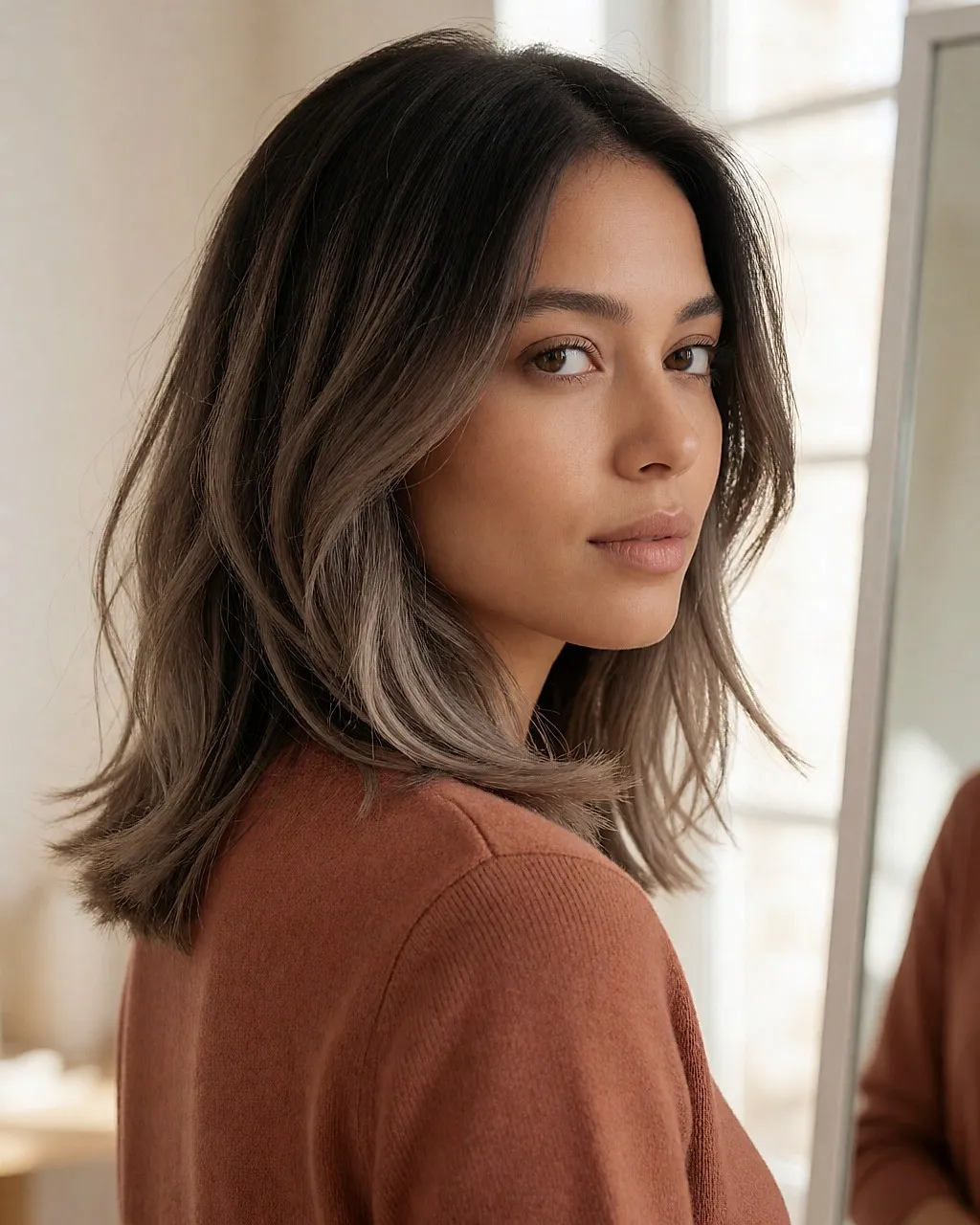
Nearly twenty years later, do those recipes still have anything to say to you? Much more than you'd think. A good chunk of the trends we see coming round today is really a tamed-down version of what salons were already offering back then. And frankly, that's worth pausing on.
Blonde: the summer obsession that never let go
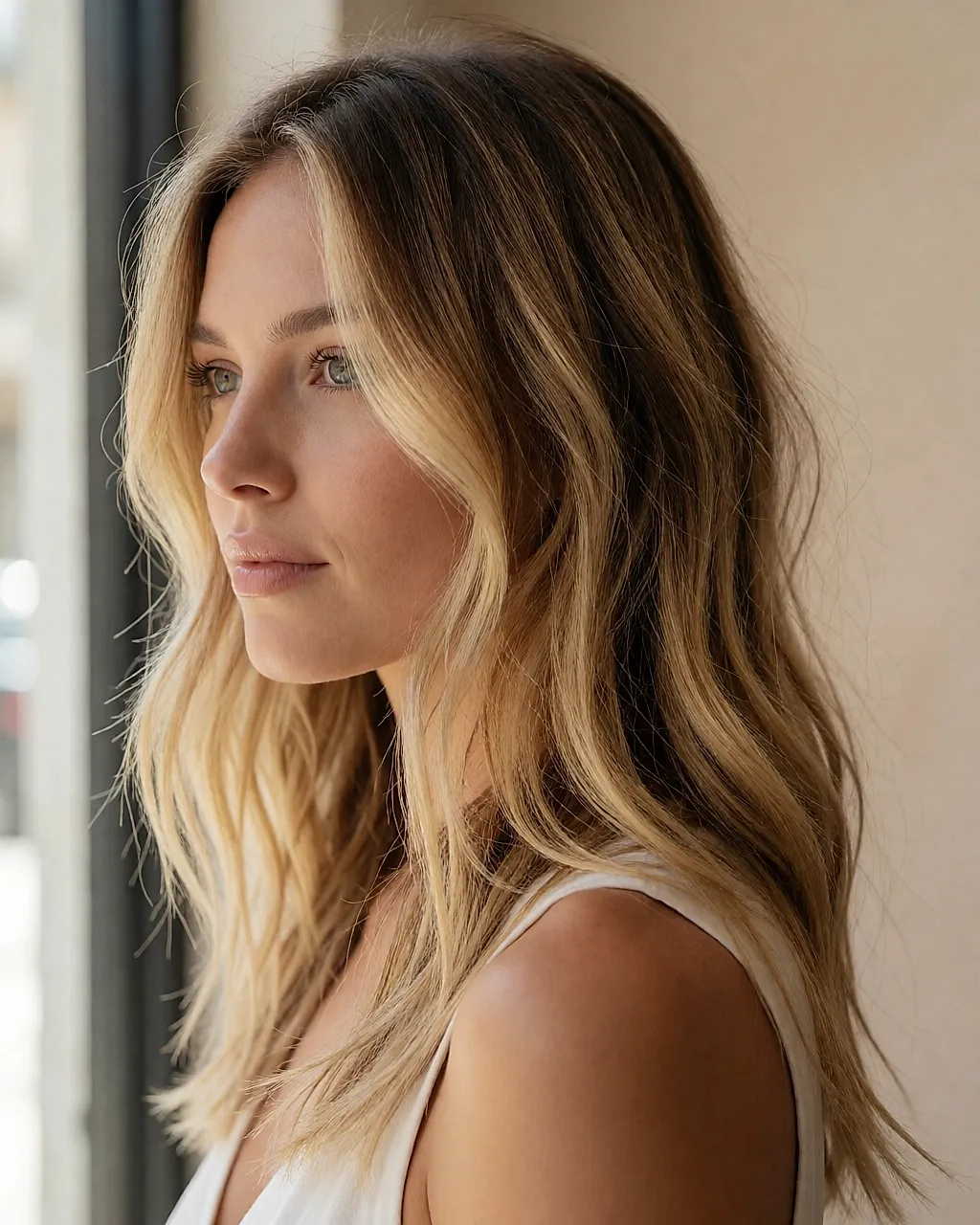
When it came to colour, the season put light blonde at the top of the wish list: baby blonde, ash blonde, balayage designed to catch the light and brighten the complexion. Salon colour, often ammonia-free, provided the base; balayage brought dimension through the lengths.
In 2026, the vocabulary has changed, the technique far less. Balayage is everywhere, finished with a money piece on the face-framing strands, a gloss to revive tired blonde, or ombré for a soft transition from roots to ends. The real difference lies elsewhere, in the philosophy: today you want visible roots and longer gaps between appointments, whereas back then sharp contrast was the point.
The fringe: the detail that structures the whole face
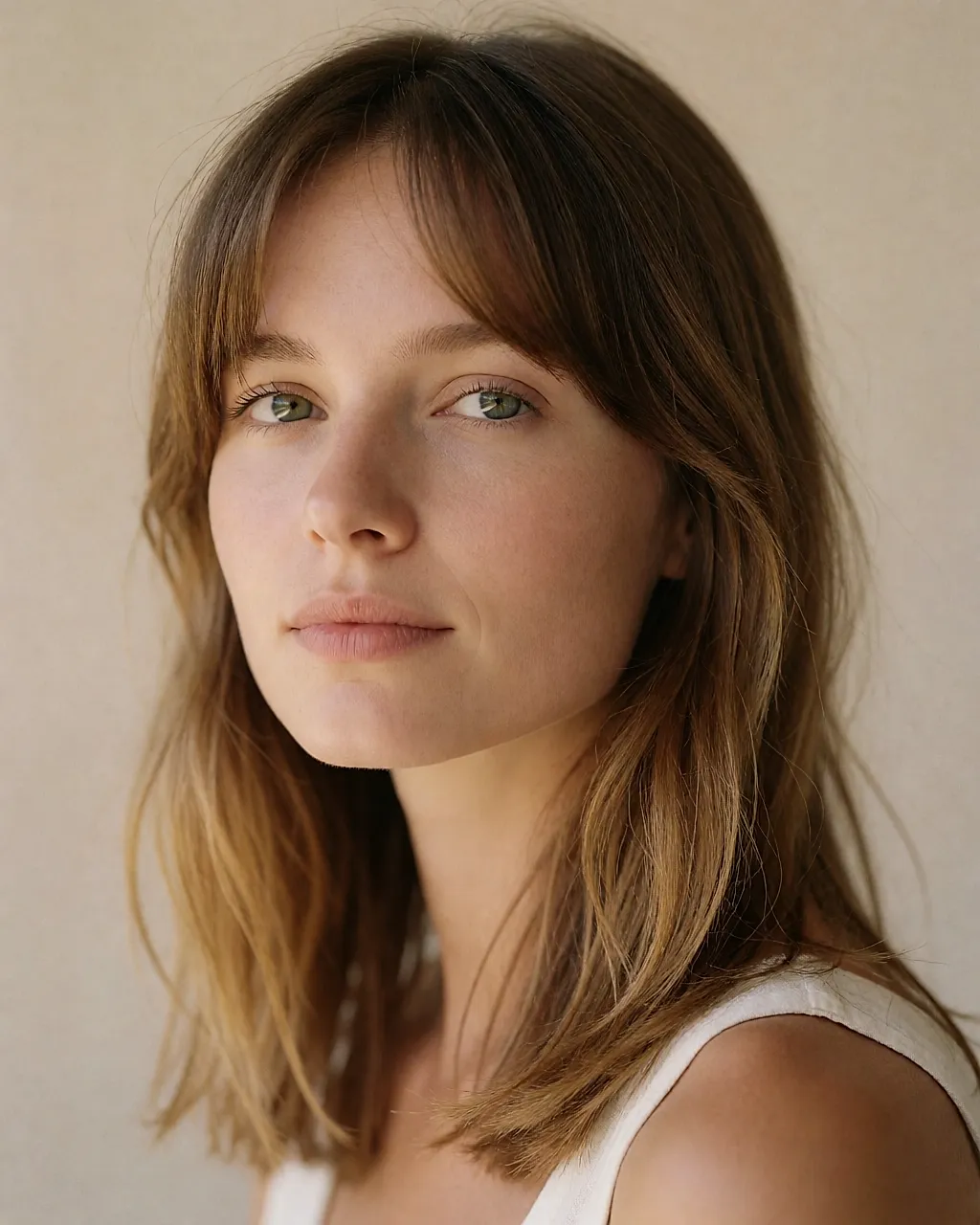
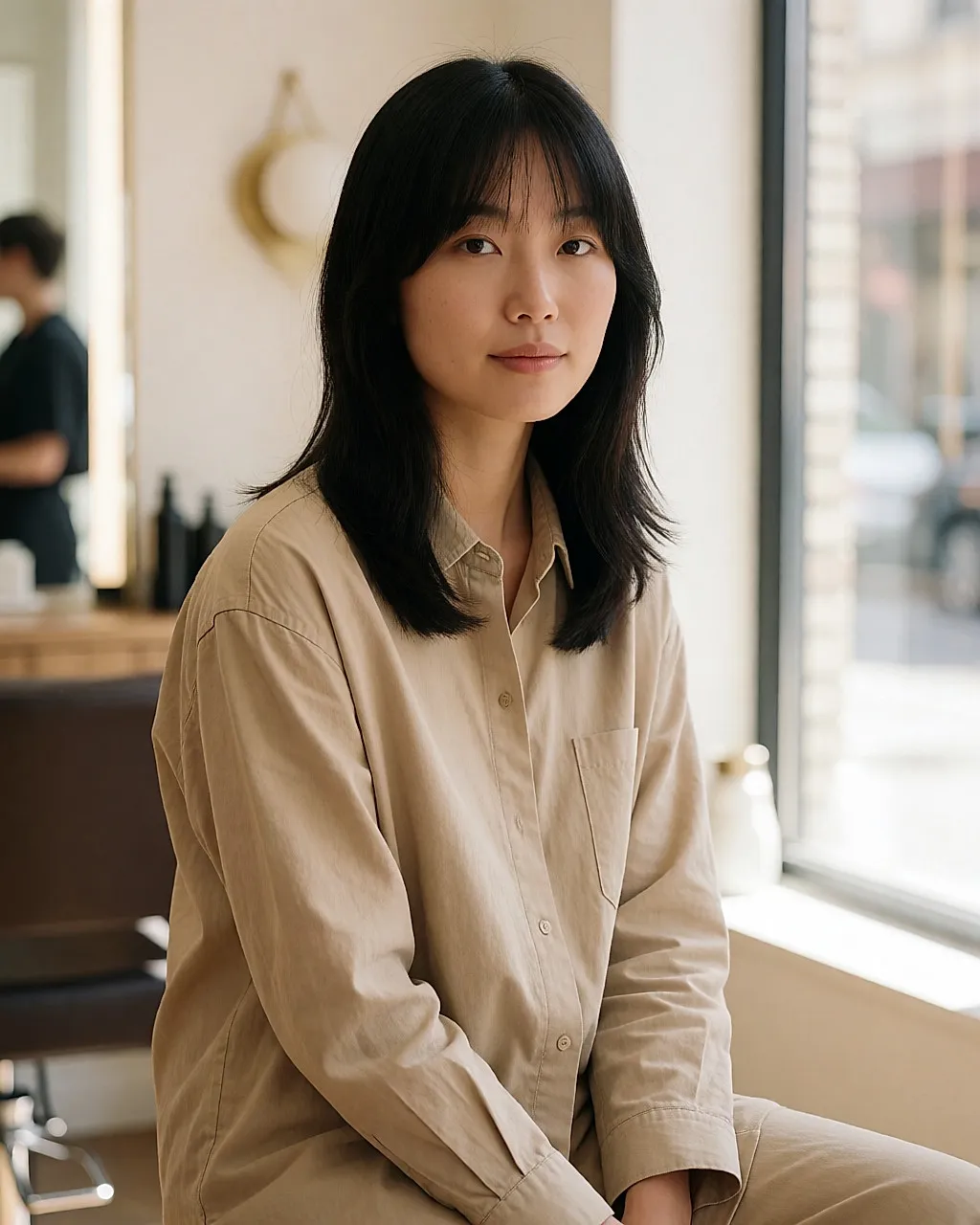
Long sidelined, the fringe was coming back onto foreheads with one simple ambition: to simplify everything. A low-maintenance cut was enough; the fringe did the face-framing on its own. Thick and dense on some, wispy and just brushing the eyes on others, it worked as well with short cuts as with longer lengths.
That logic hasn't aged a bit. The curtain fringe, parted in the centre, is still much requested in the salon, as is the wispy fringe. The principle hasn't changed — frame your gaze without weighing down the overall look — and it lets you keep your length. The game-changing request: ask for it to be worked on dry hair, and you'll see straight away how it falls in daily life.
Brunettes are far from an afterthought
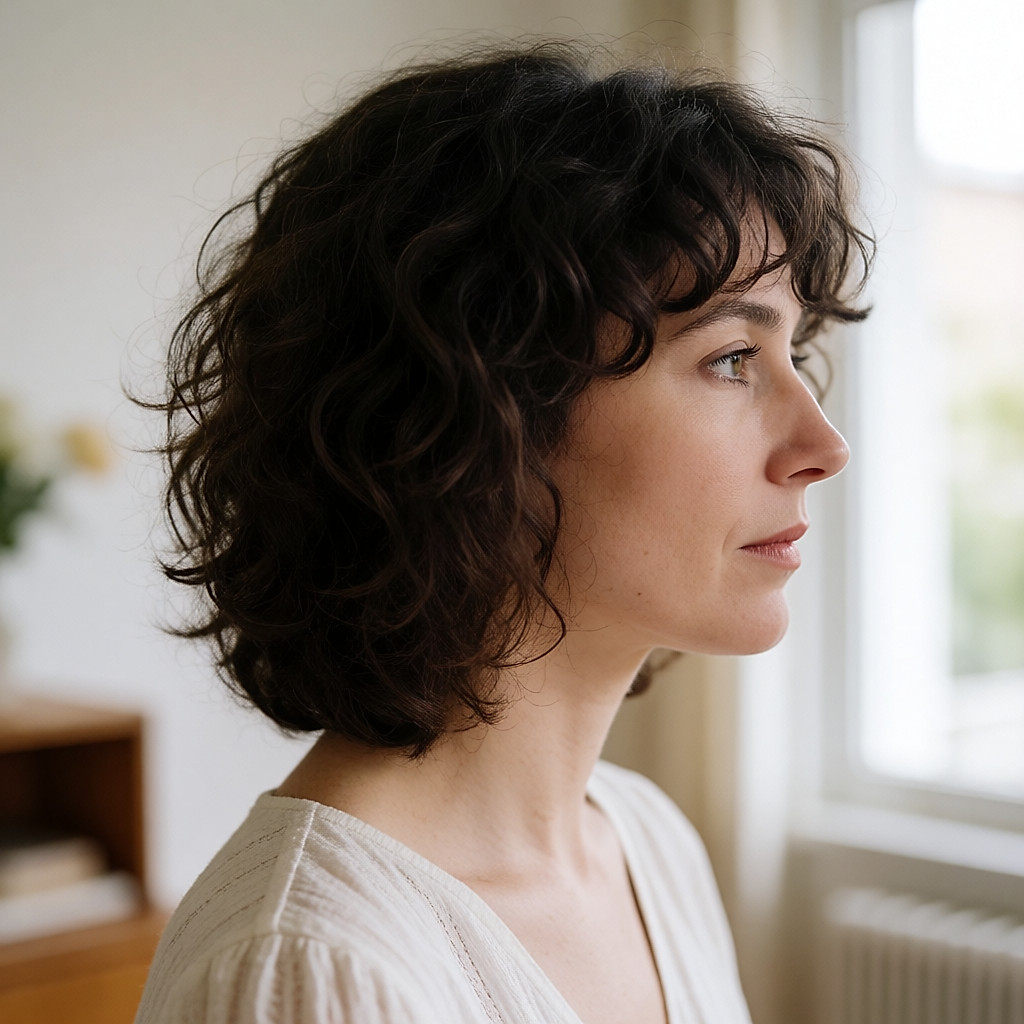
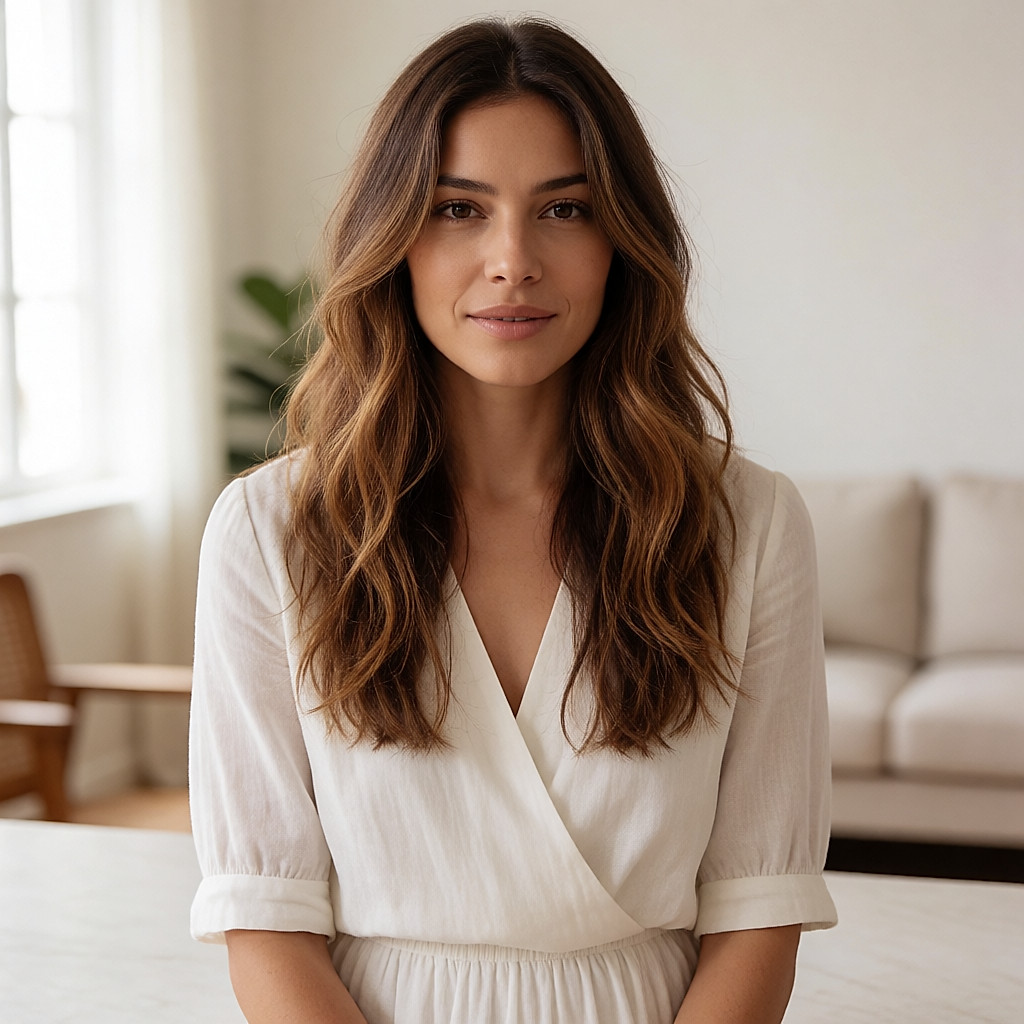
Summer wasn't only about blonde. Brunettes got caramel highlights, browns lifted with ash reflections, layered mid-lengths, deconstructed bobs worked at the nape. The principle was already there: lighten without denying the dark base.
You find exactly that approach today, with a refreshed vocabulary: 'ash brown', 'iced chocolate', honey pieces melted into a brown base. The clear gloss, applied in the salon, is a far better replacement for the old 'shine boost': it revives shine without touching your base colour. A real treat between appointments, when the colour is still going strong but the shine has done a runner.
Movement, not fixation
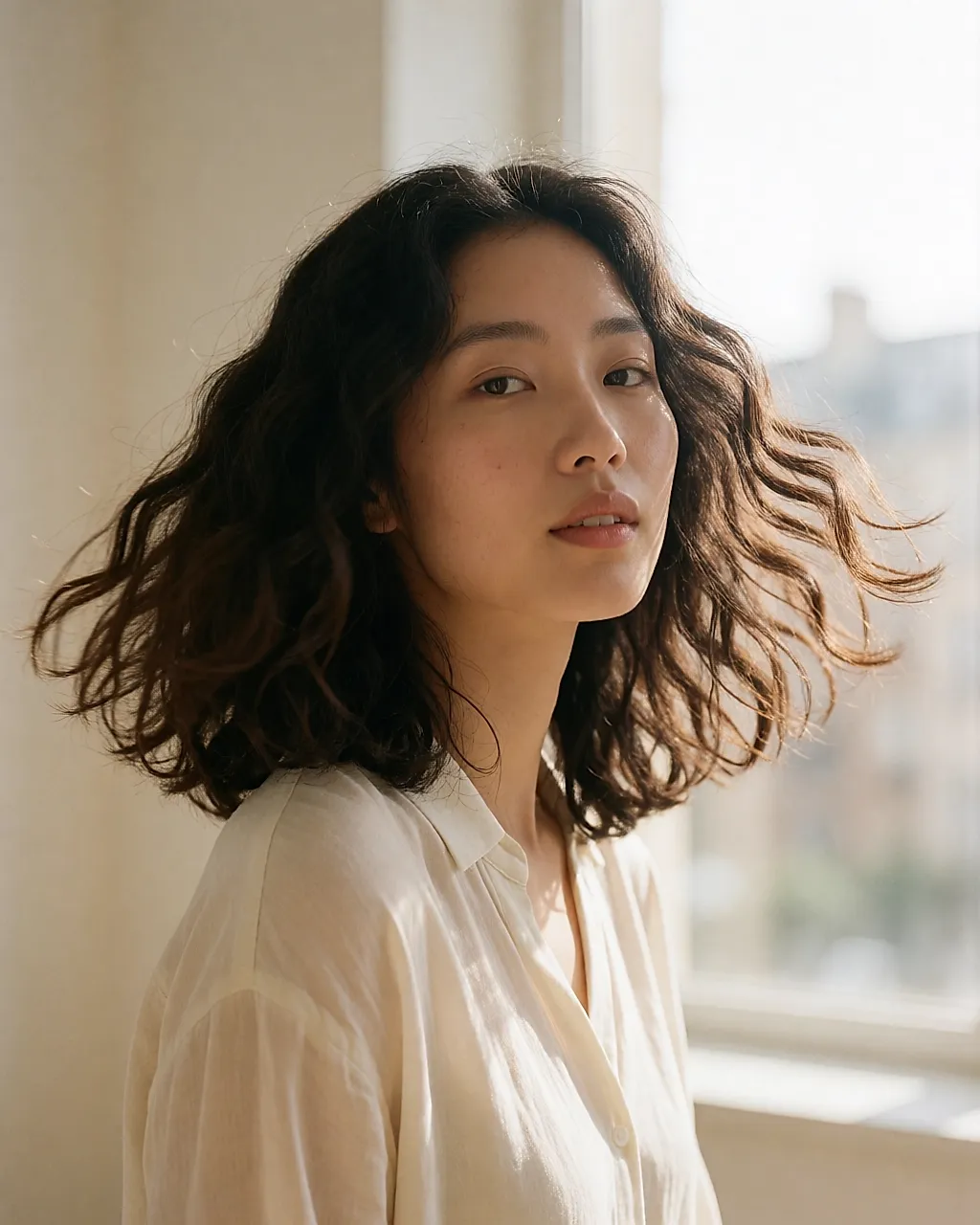
Cuts went for layering that left little work: sculpted crops, defined sides, clean fringes. Styling relied on mousse and a few finger passes, for a deliberately imperfect effect.
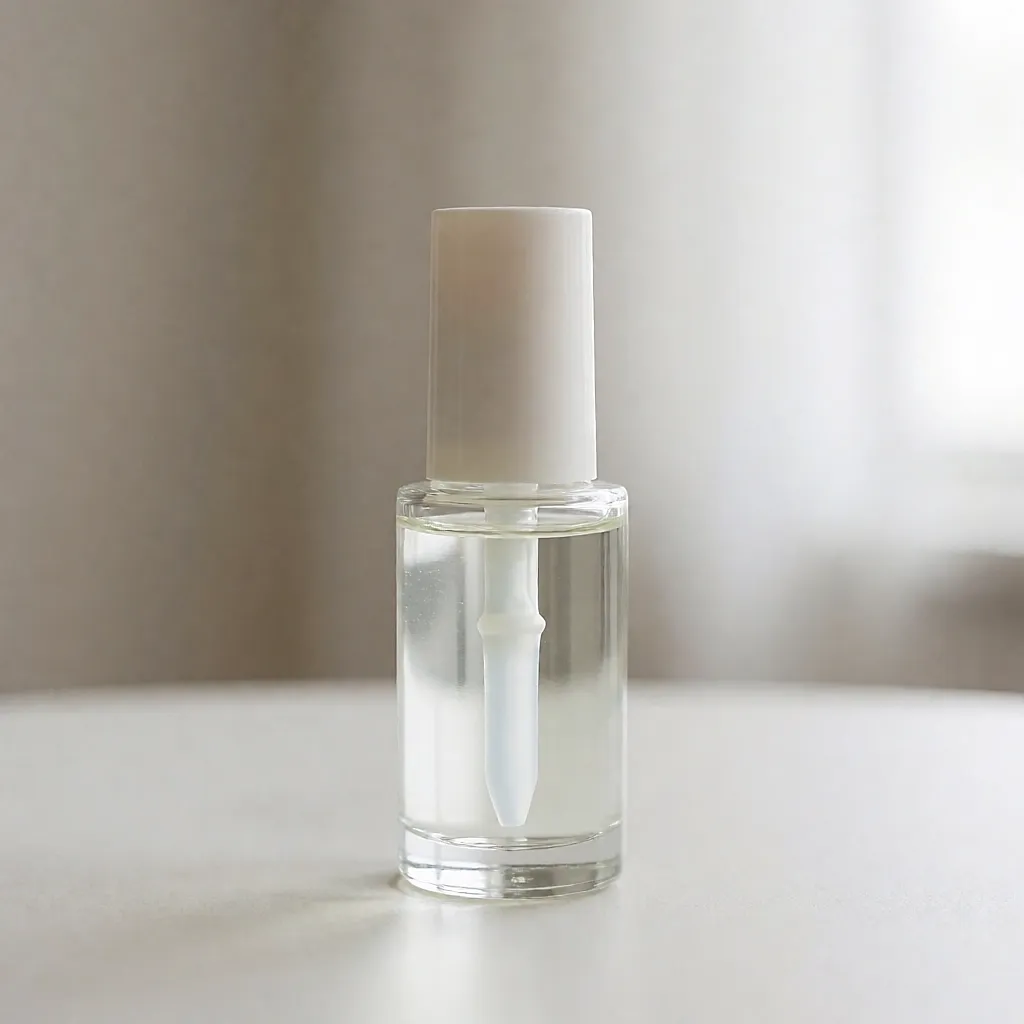
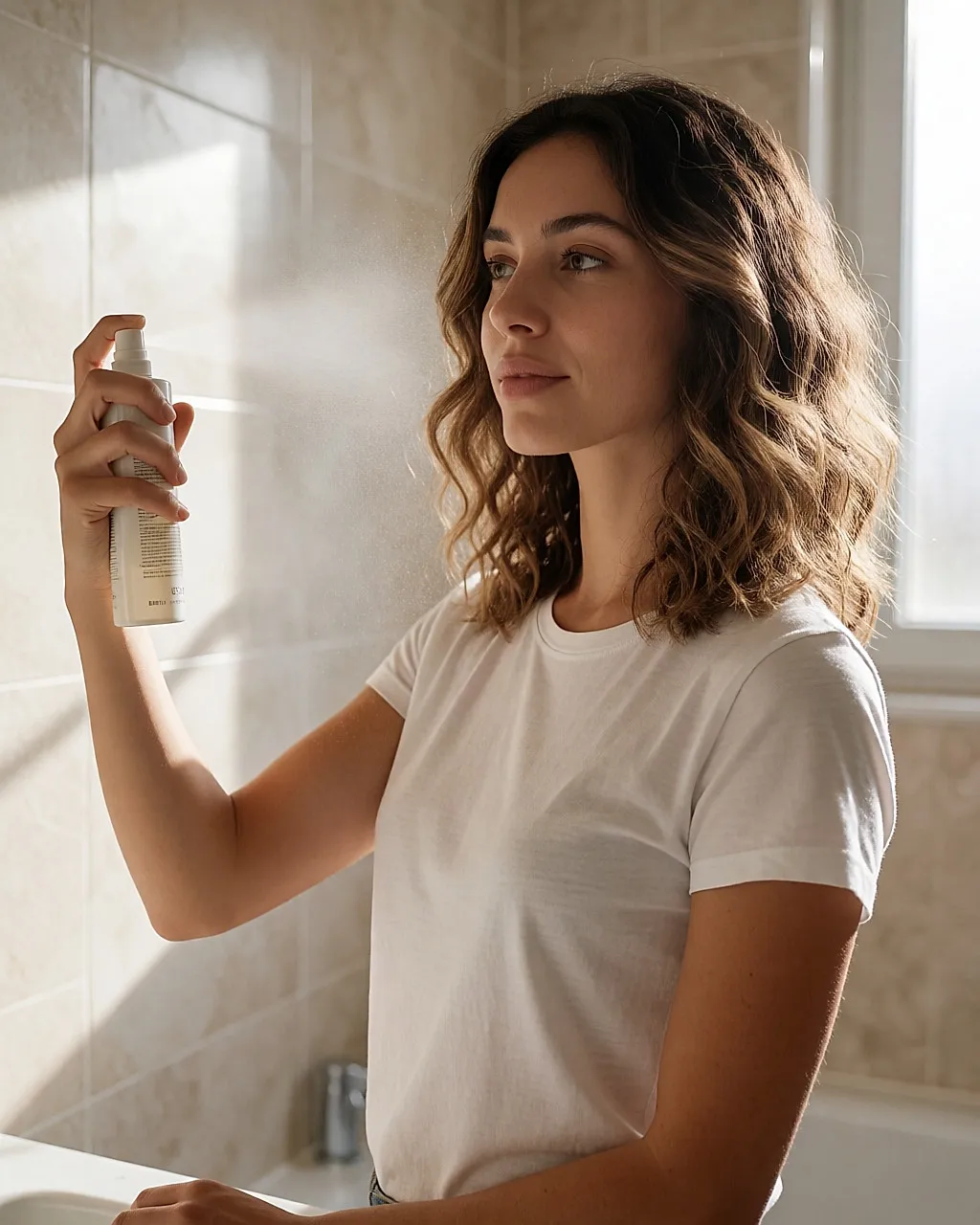
Today, mousse is often swapped for or supplemented with texturising sprays, volume powders and lightweight serums, which are easier to control on dry hair. Air-drying, long associated with looking undone, has become a deliberate choice. The original idea hasn't shifted an inch: get lively texture without spending an hour in front of the mirror.
Three questions to ask in the salon before changing your look: what's the real maintenance frequency of the cut? Does the colour you've chosen need a gloss between appointments? And does everyday styling take less than ten minutes? If any answer is no, you'll struggle to wear it day to day, whatever the trend.
Budget: what it really costs
Prices vary enormously by city, length, hair density and salon level. In the UK, expect roughly £30 to £70 for a cut and blow-dry, £50 to £120 for ammonia-free colour, £70 to £170 for balayage or ombré depending on the number of highlights, £25 to £60 for a gloss alone, and £13 to £35 for an in-salon deep treatment. Big cities often sit at the top of the range; a neighbourhood salon or a supervised hairdressing school can keep things lower.
For home care, gentle sulphate-free shampoos are around £7 to £18, masks and conditioners £8 to £26, and texturising sprays and lightweight serums £13 to £30. You'll find them in salons, beauty retailers, supermarkets, health food shops or online.
The eco reflex, if that's your thing: choose refillable or solid formats — shampoo and conditioner bars — glass or cardboard containers, and waterless formulas where they exist. A certification such as COSMOS Organic or an Ecocert standard guarantees a controlled formulation and, depending on the criteria, a minimum proportion of organic ingredients; requirements vary by standard. It isn't a promise of superior results, just greater transparency about what's inside. And honestly, a gentle conventional shampoo can do the job perfectly well — it's a compromise to own, not a crime.
What that season really left behind
Lighten without distorting, structure the face with a fringe, bet on movement rather than stiff hold: those years installed habits that the current decade has refined rather than replaced.
The big difference is in maintenance: fewer touch-ups, more care — hydrating masks, heat protection before the dryer, gentle shampoos for lightened hair. A successful colour is no longer just about the shade, but about the health of the hair fibre. That's probably the only real shift from that era.
Food supplements do not replace a varied, balanced diet and a healthy lifestyle.
Comments
Your opinion matters: rate the article, react and reply to comments.
Comments are moderated; AI-assisted comments are flagged. Text emoticons (8-), :-), <3…) are automatically shown as images.