

A forearm and a face are not the same scale. One is a testing ground; the other gets on with life — the cold, the face masks, the foundation, the fingers that land on your cheek without thinking. So when a cream goes on fine on your forearm, the tube goes back in the bathroom cabinet with a small smile. And that is exactly where the at-home patch test needs putting in its place: a rough guide, not a certificate.
What a forearm test can actually tell you
It can already spare you the worst: a visible allergic reaction to a specific ingredient — redness, itching, little bumps — when it does happen. A proper patch test, carried out by a professional, is there to identify contact allergy: it doesn't tell you whether a product will irritate you, it tells you whether your skin reacts to a substance. That's not nothing, but it is a different question.
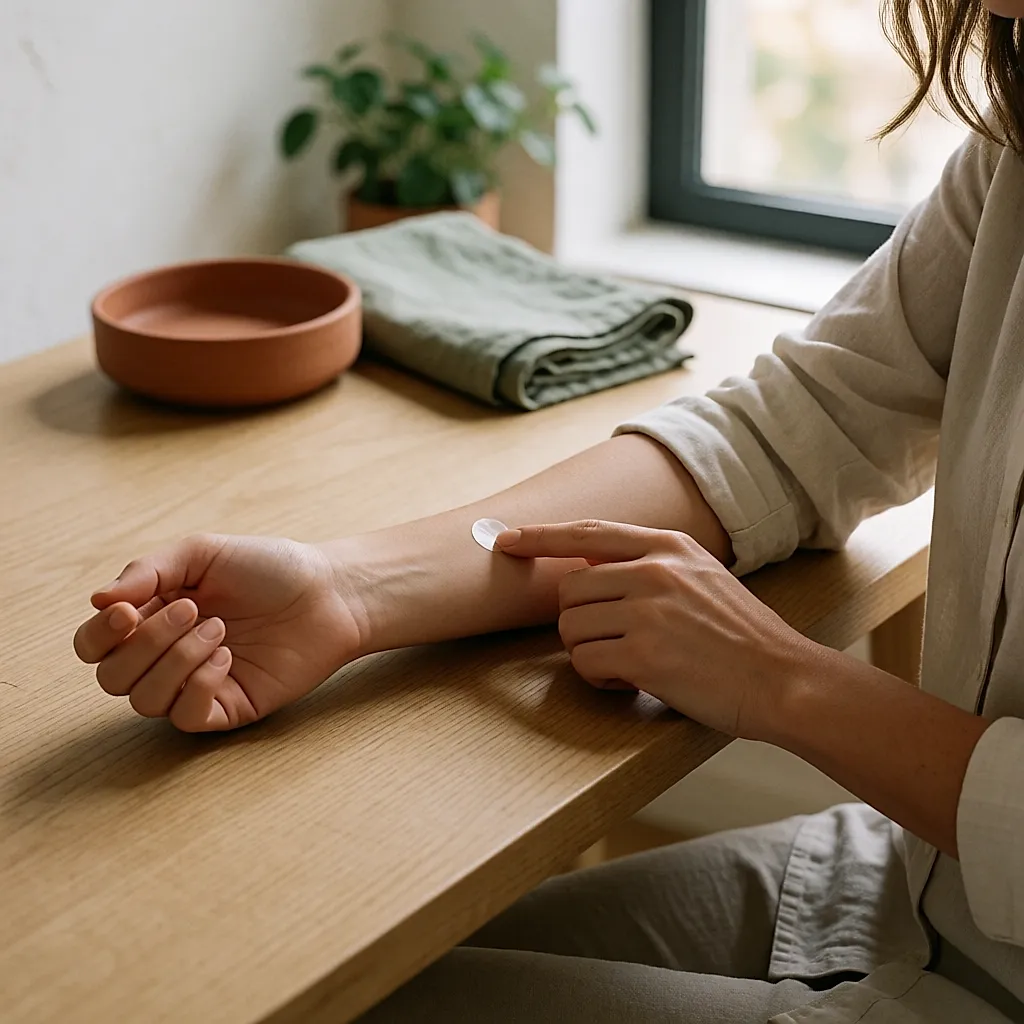
Why does the face sometimes react where the forearm felt nothing? Because the skin on your face is thinner in places, more exposed, richer in sebaceous glands in certain zones, and it deals with layer after layer of skincare, make-up and SPF. A product can be perfectly well tolerated on a forearm and turn unpleasant on your forehead, cheeks or the sides of your nose. That isn't your skin being difficult: it's different ground.
One new product at a time, on the right patch of skin
The step that changes everything fits into one sentence: one new product at a time. If you start a serum, a cream and a cleanser all at once, there's no way of knowing which one caused the fireworks. So keep your usual routine going and add the newcomer on its own, in a small amount, over several days.
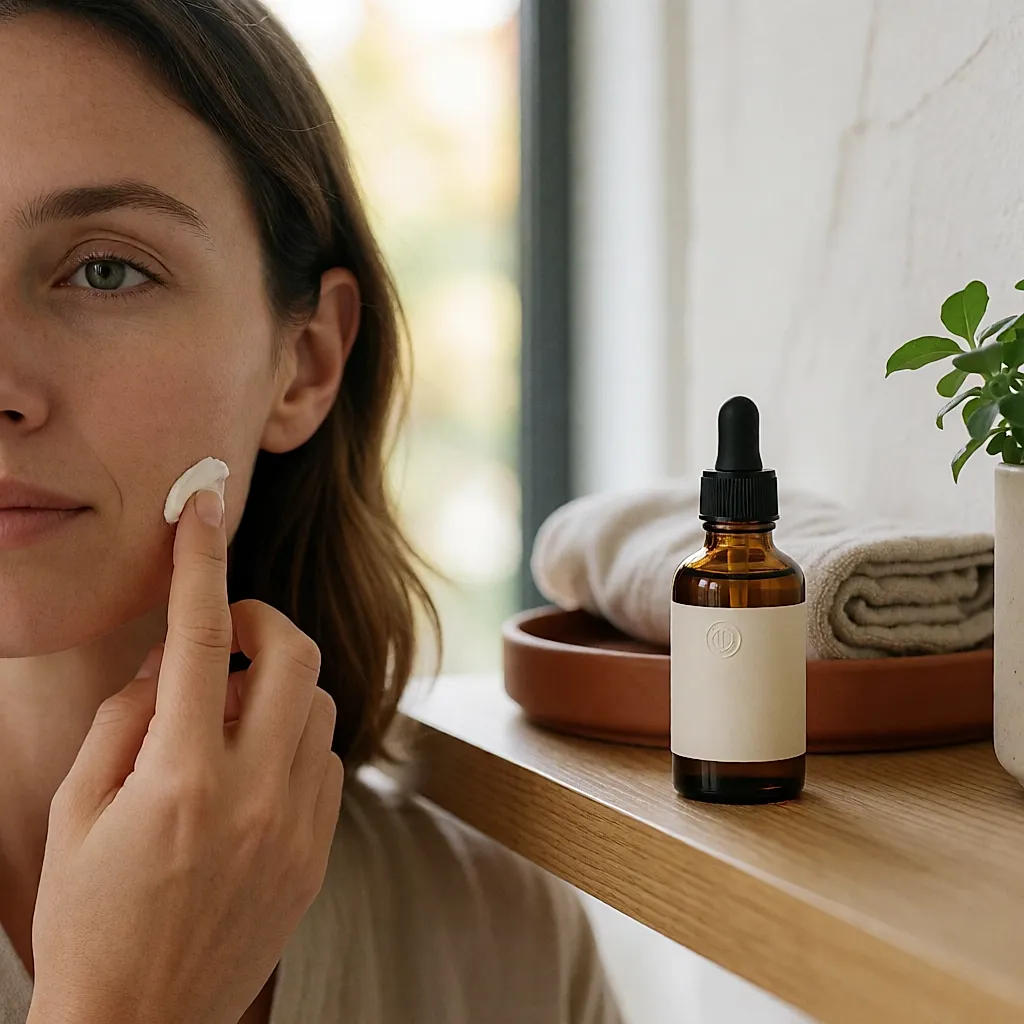
As for where: your forearm can act as a first filter, but it doesn't replace a trial on your face. If you want to check how a face product suits you, apply a small amount to a discreet area — along the jawline, say — and keep it away from the eye area. A few days with no reaction? Good. But don't call it a win too early.
What to watch over days, not just the next morning
In practice, keep an eye on the first few days: that's useful for spotting certain allergic reactions. The catch is that irritation can build up with repeated use — a tight feeling, mild redness, a little flaking, skin that feels hot. Which is why it's worth not stopping at the next morning. You don't need to become a dermatologist; just note down what you feel.

The list is short: stinging, burning, tightness, redness, itching? Stop. A clear reaction — swelling, spreading redness, persistent burning — deserves professional advice, not a second layer of cream "just to see". And if all is well, don't start multiplying the trials either: your skin isn't a lab that's open 24 hours a day.
How to use it without kidding yourself
A patch test is a safety rail, not a green light. It can help you rule out an obvious allergy, spot a product that doesn't agree with you, and slow down before you slap something over your whole face. It can't promise that the cream will feel comfortable under a face mask, hold up with the heating on, or suit your skin during a stressful spell. You can't predict everything, and that's fine. No texture is worth forcing.
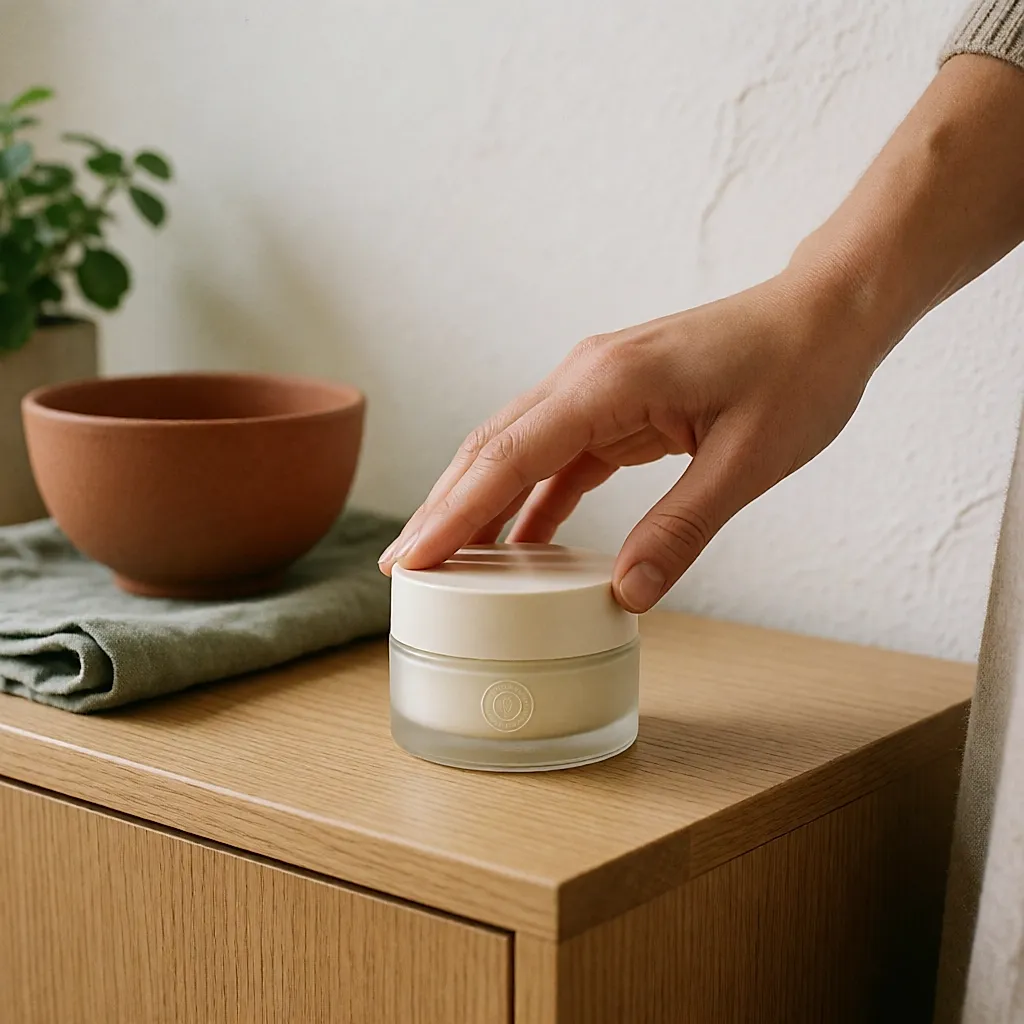
The idea, then, is to test less but test better: one new product, one small patch, a few days of watching. If it works, you'll know why. If it doesn't, you'll know what to stop. And that's already a lot.
The mini-reflex: jot down the date you opened the product and the area you tested in your phone. A few days from now you won't remember whether the redness came from the new serum or your polo neck. Your skin will, though.
The one move left when you've only got five minutes? A pea-sized amount, a discreet patch, and the right to say stop. Your face doesn't need a certificate from your forearm to be convinced.



Comments
Your opinion matters: rate the article, react and reply to comments.
Comments are moderated; AI-assisted comments are flagged. Text emoticons (8-), :-), <3…) are automatically shown as images.