
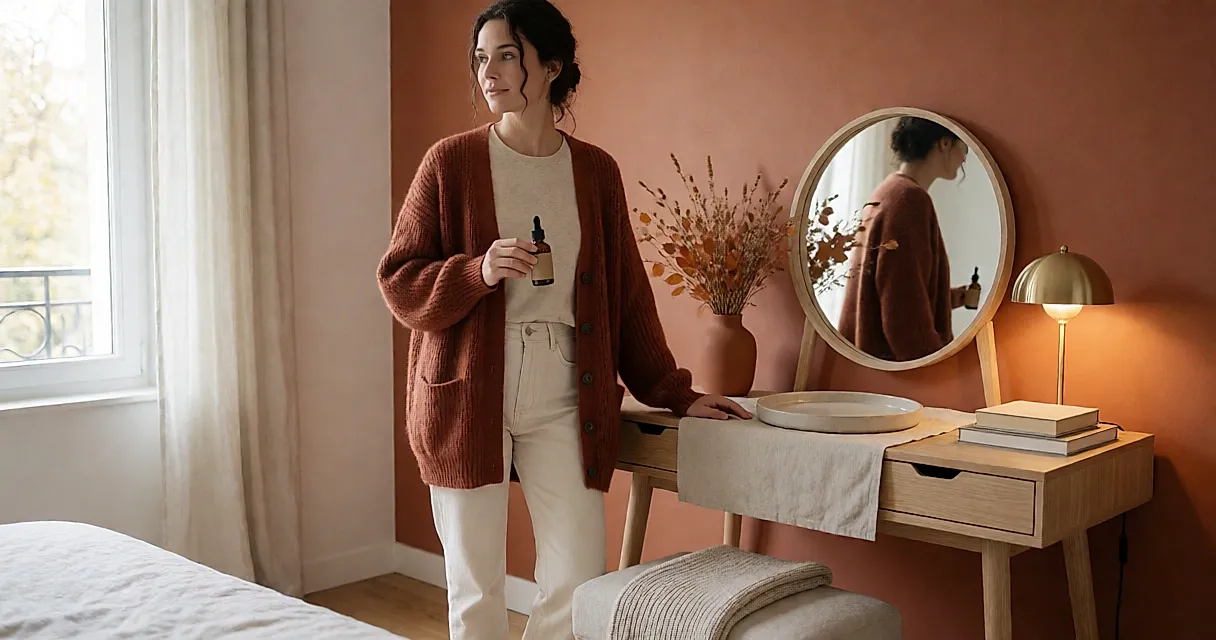
Two dull complexions can look as alike as two grey jumpers, and yet one is sorted with a routine, the other with an appointment. The line between them isn't drawn with a ruler — it shifts with sleep and busy weeks. But it is there, and knowing it saves you layering a fourth serum onto skin that was asking for something else.
What skincare can genuinely do
A dull complexion is often a surface story: dead cells building up and reflecting light poorly, dehydrated skin that looks flat, uneven texture that swallows reflections. This is where skincare earns its keep. Gentle exfoliation (in practice, once or twice a week depending on your skin), a hydrating serum while skin is still damp, a few moments of fingertip massage to warm everything through — none of it sounds like much, yet the difference shows up in Tuesday-morning photos.
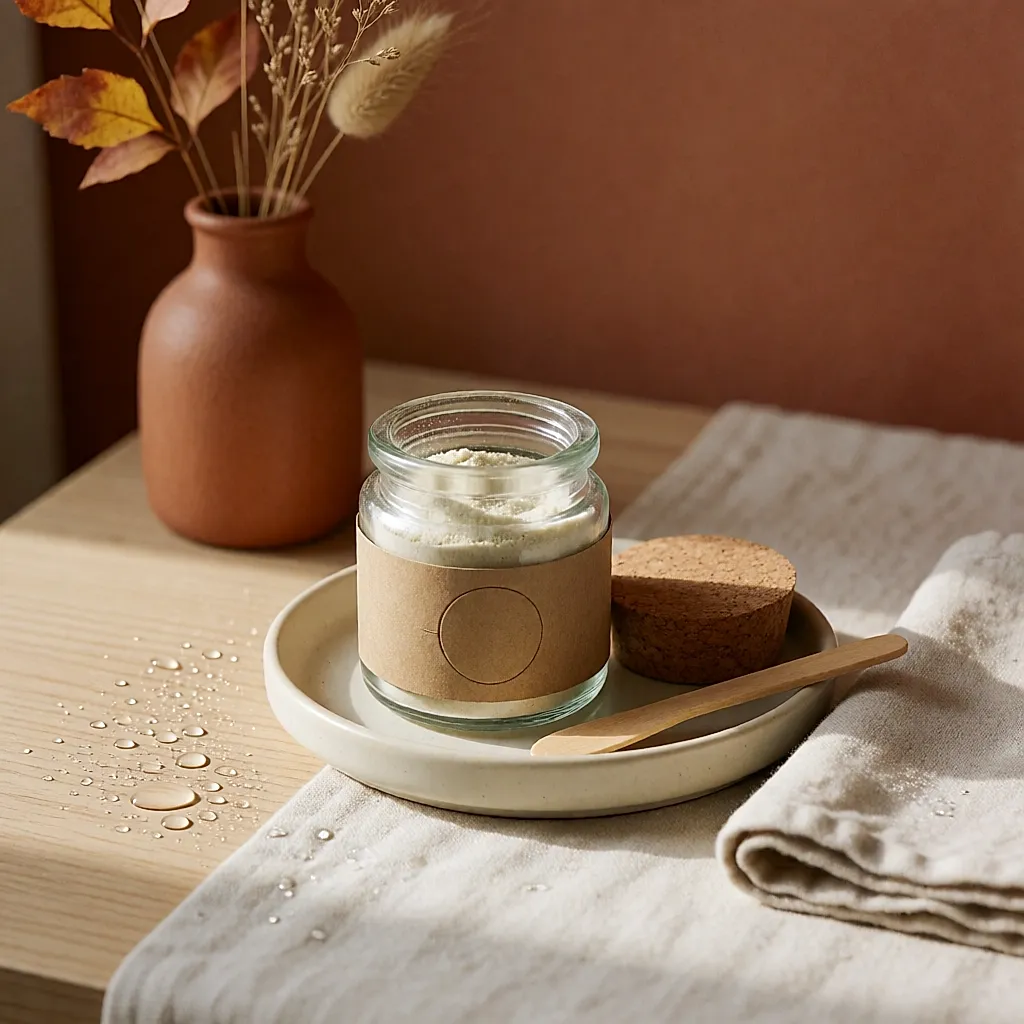
Is it really worth it? Yes, provided you keep going. In practice, it often takes two to three weeks of regular steps before the light comes back — and regular means almost every day, not three times a month with your fingers crossed. Make-up bridges the gap: a satin-finish base, highlighter in the right places, and your skin looks awake even when you're not quite there yet.
The dullness that won't shift
So why isn't it shifting? There comes a point when the conversation changes. If your complexion stays grey despite a consistent routine, if the pallor doesn't change from one rested weekend to the next, if the under-eye area looks hollow and your lips lose their pink — these are no longer cosmetic observations, they're things to tell your GP. Add fatigue that won't lift or unusual breathlessness on the stairs, and the question deserves to be asked out loud rather than added to an online basket.

I'm not a doctor, and that's exactly the point: I can't tell you whether your dull skin is hiding an iron deficiency. A pale, tired complexion is one of the signs associated with anaemia — not in every case, and not as a diagnosis. Only a blood test arranged by your GP can settle it. Some situations make the question more worth asking: heavy periods, a vegetarian or vegan diet, a recent pregnancy, repeated blood donations.
And no, you don't add iron blindly 'to see what happens'. Supplementation is decided after a blood test, with a healthcare professional. This is the one point in this article where I'm asking you not to improvise.
The four-week calendar that stops you buying for nothing
The method I use, and pass on exactly as it is: one month, one change. Take a photo of your face in daylight, with the same framing, and keep it as your starting point. Note what you add — an exfoliant, a serum, an oil — and nothing else. If after four weeks nothing has changed, you have your answer: you don't need another product; it's a question to ask elsewhere.

Conversely, if your skin wakes up in ten days, enjoy it and stop buying! That's the whole benefit of the method: it also tells you when you've already found what you needed. The step that makes the difference here isn't another bottle — it's deciding to stop.
Budget
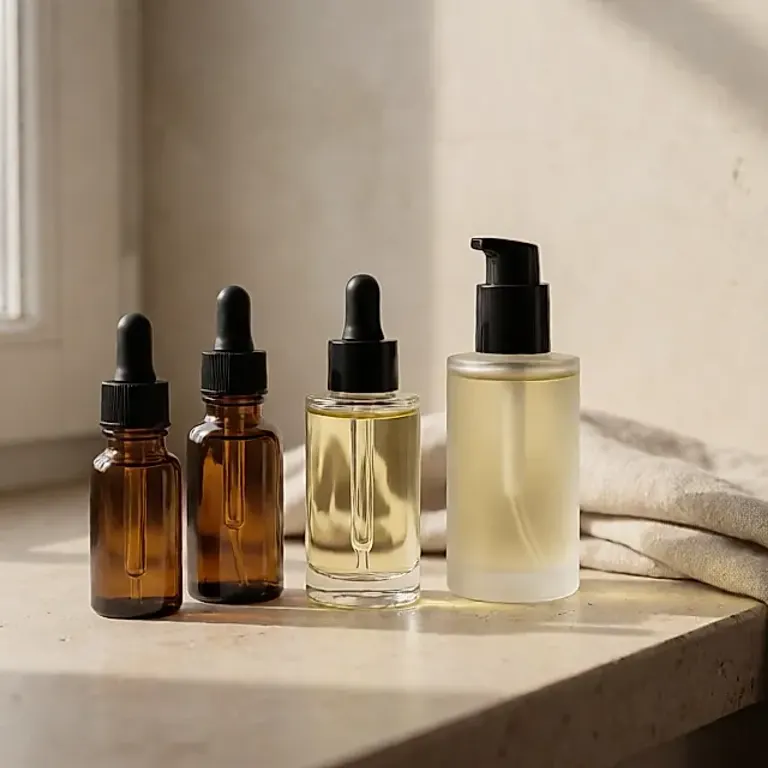
There's no need to aim for the top shelf. A gentle exfoliant — fruit acids, enzyme powder — usually costs between £10 and £25 at a pharmacy, beauty retailer, supermarket or online. A simple hydrating serum (hyaluronic acid, glycerine) comes in at around £12 to £35; glass, refillable or bulk-buy formats are increasingly common, and that's not a small detail when you get through two a year. A plant oil — jojoba, hazelnut — often costs £6 to £15 for 50ml and lasts for months: it's the best pleasure-per-pound of the three.
Is organic worth it here? Yes for oils, where certification at least guarantees how they were grown — which matters for something you apply neat. The thing that isn't worth it, though, is an expensive course that promises a quick result but is no substitute for a blood test. As for the GP, that's not a line in the beauty budget: an appointment and a blood test through the usual care pathway cost less, in every sense, than three serums accumulating on the shelf.
The daylight test: stand facing a window without make-up and compare your complexion with the inside of your wrist. If your face is noticeably greyer than your arm even though you're not going outside any less, make a note of it. It's the kind of detail that helps you describe what you see when you speak to your GP.
A dull complexion isn't something you have to put up with, and it isn't a verdict either. Sometimes it's a routine to adjust; sometimes it's something to mention in a GP appointment, and it takes two minutes. Either way, you'll have gained something: brighter skin, or one less bottle on the shelf. Honestly, both are worth it.
Food supplements do not replace a varied, balanced diet and a healthy lifestyle.


Comments
Your opinion matters: rate the article, react and reply to comments.
Comments are moderated; AI-assisted comments are flagged. Text emoticons (8-), :-), <3…) are automatically shown as images.