
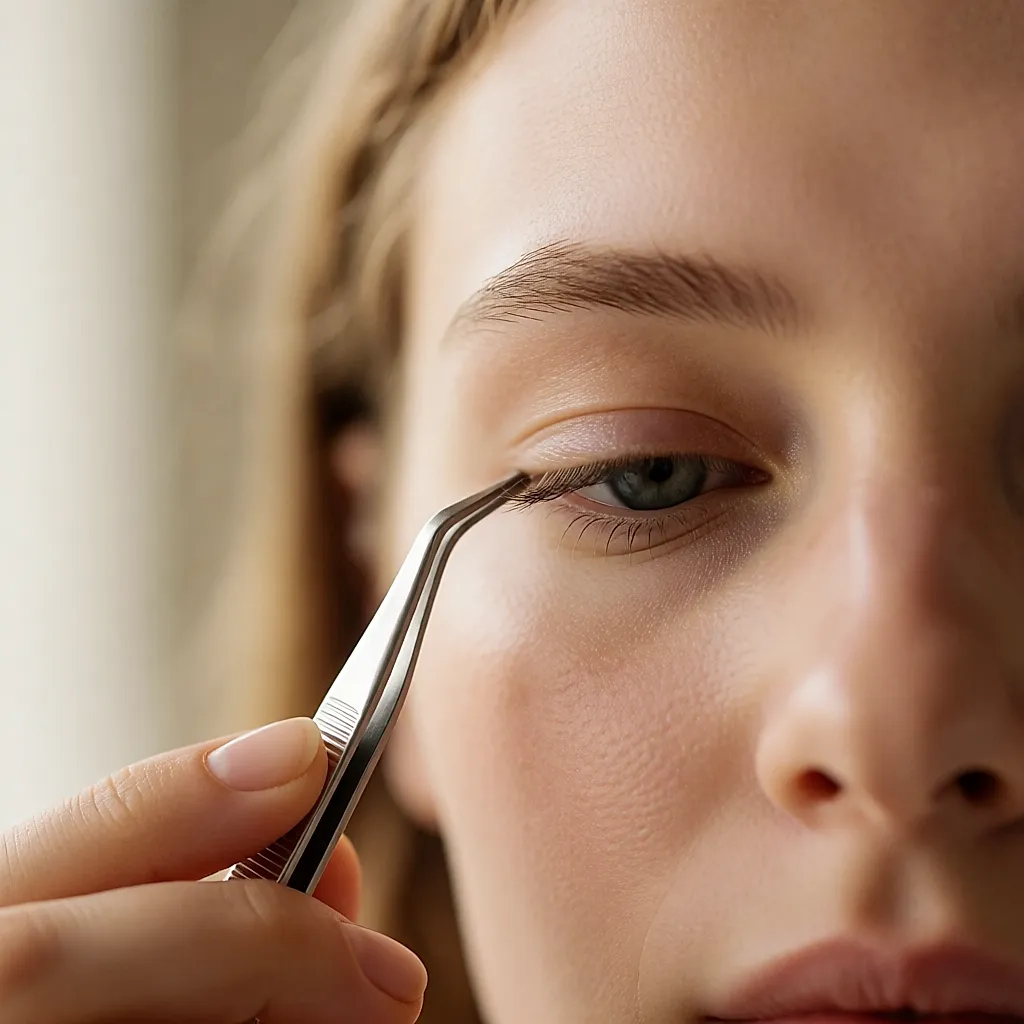
It's gone 11pm, your alarm is set for seven hours' time, and there you are in front of the mirror with a lash cluster stuck on crooked at the outer corner of your left eye. Sound familiar? That's the flip side of the DIY cluster set: a salon-worthy finish, provided you're happy to spend twenty minutes being patient, fudge a couple of repairs, and have one small wobble of doubt.
Clusters, not extensions
Two worlds, often muddled. In a salon, classic extensions are applied one natural lash at a time with a heavy-duty adhesive: the result lasts for weeks and is removed by a professional. At home, it's a different game. Clusters — also called segments — bring together several lashes already bonded at the base, usually three to eight of them, which you attach in a single movement at the root of the lash line.
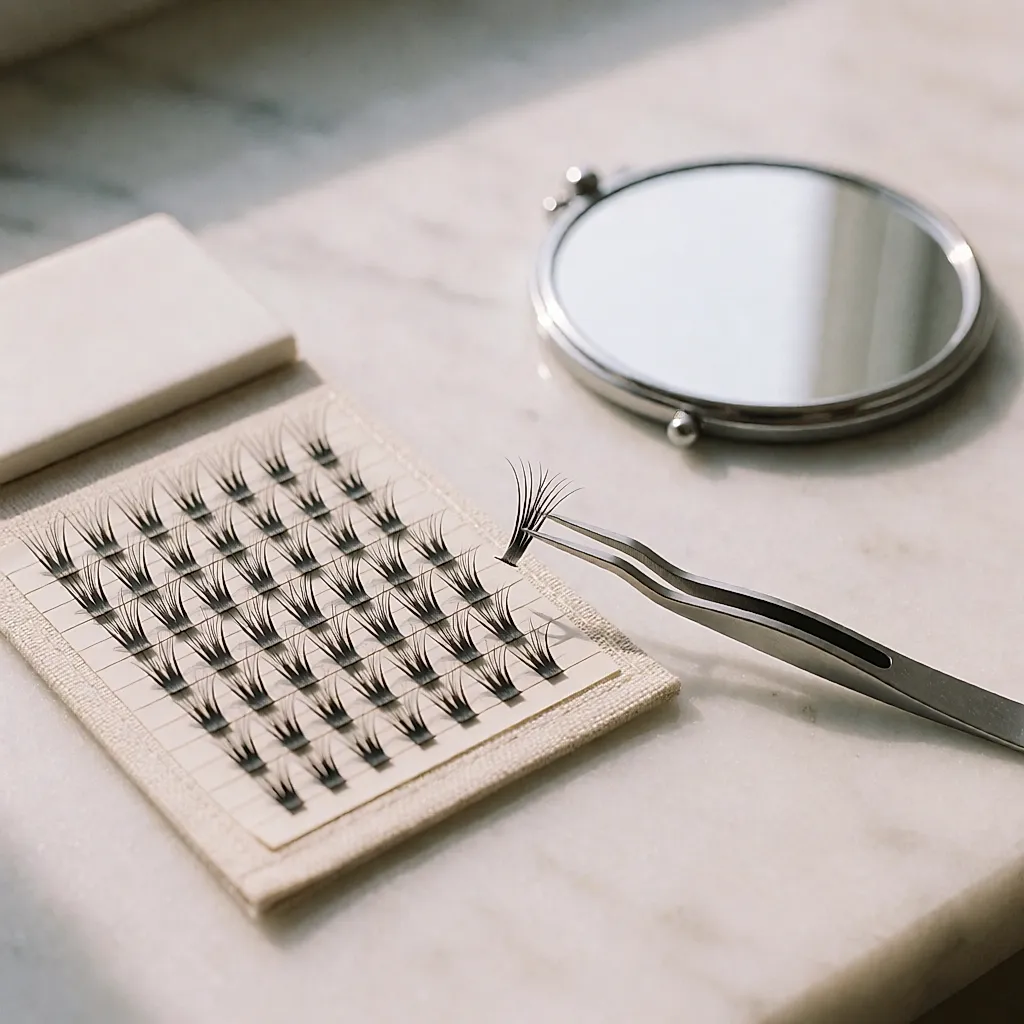
Everything else follows from that difference. Application happens in small groups, so it's quicker; removal takes a few minutes with make-up remover. You add density to the outer corner, lift a curl, open up the eye without the strip-lash look. On the material side, the softest clusters — fine hairs, gentle curl — blend better with your natural lashes. Thicker, more tightly curled styles make more of a statement: that can be exactly what you're after, or the regret of the week.
How long do they really last
How long they stay put depends less on the price of the kit than on your prep. A clean lash line, make-up free, completely dry, with not a trace of cream: that's the starting point. Any oil under the glue and the cluster comes loose at the first proper blink. Same logic for the amount of adhesive: a tiny dab at the base is enough. Too much glue and you end up with clumps welded together, plus the spider-legs look that comes with them.
In practice, expect a few days — often three to seven, depending on the formula: that's a rough guide, not a promise. What shortens the life of a set? Scalding showers, steam, the pool, oil-based cleanser — brilliant for removal, disastrous for staying power — and sleeping on your front, which rubs the lashes against the pillow.
Here's a cheeky question, though: who manages not to rub their eyes when they wake up? Nobody. Which is why it's worth keeping the tweezers to hand for a quick fix before you head out.
The technique, in front of the mirror
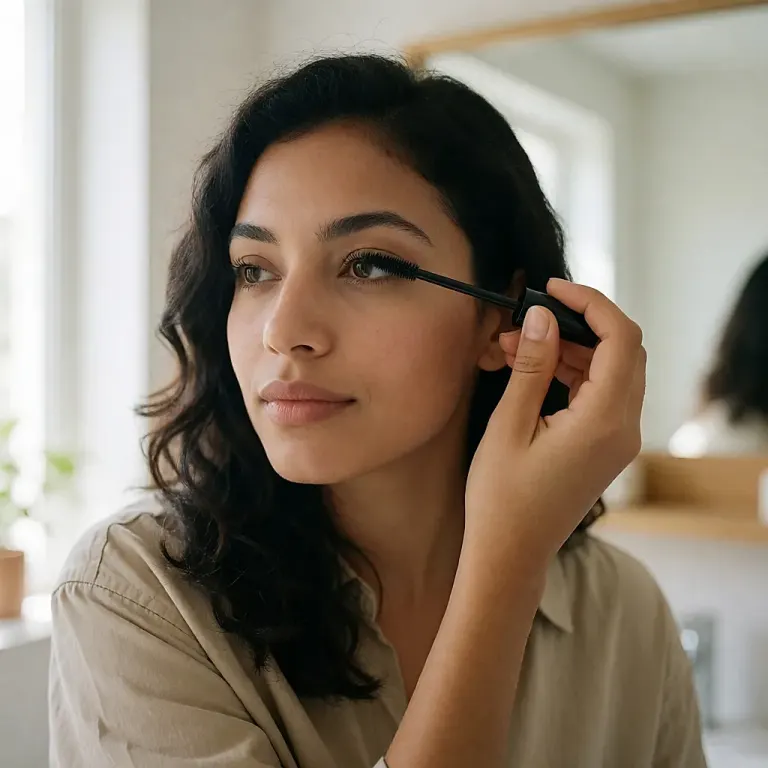
Settle yourself in proper light, not the gloom of a bathroom at 7am. Put a drop of glue on a clean surface, pick up a cluster with curved tweezers, dip only its base, and let the adhesive turn slightly tacky. Then bring it in from underneath the lash line, at the root of the natural lash, without pressing on the eyelid. Hold for a second, eyelid half-closed to avoid sticking the lashes to each other. Work from the outer corner inwards: your hand is steadier there, and any mistake is less visible.
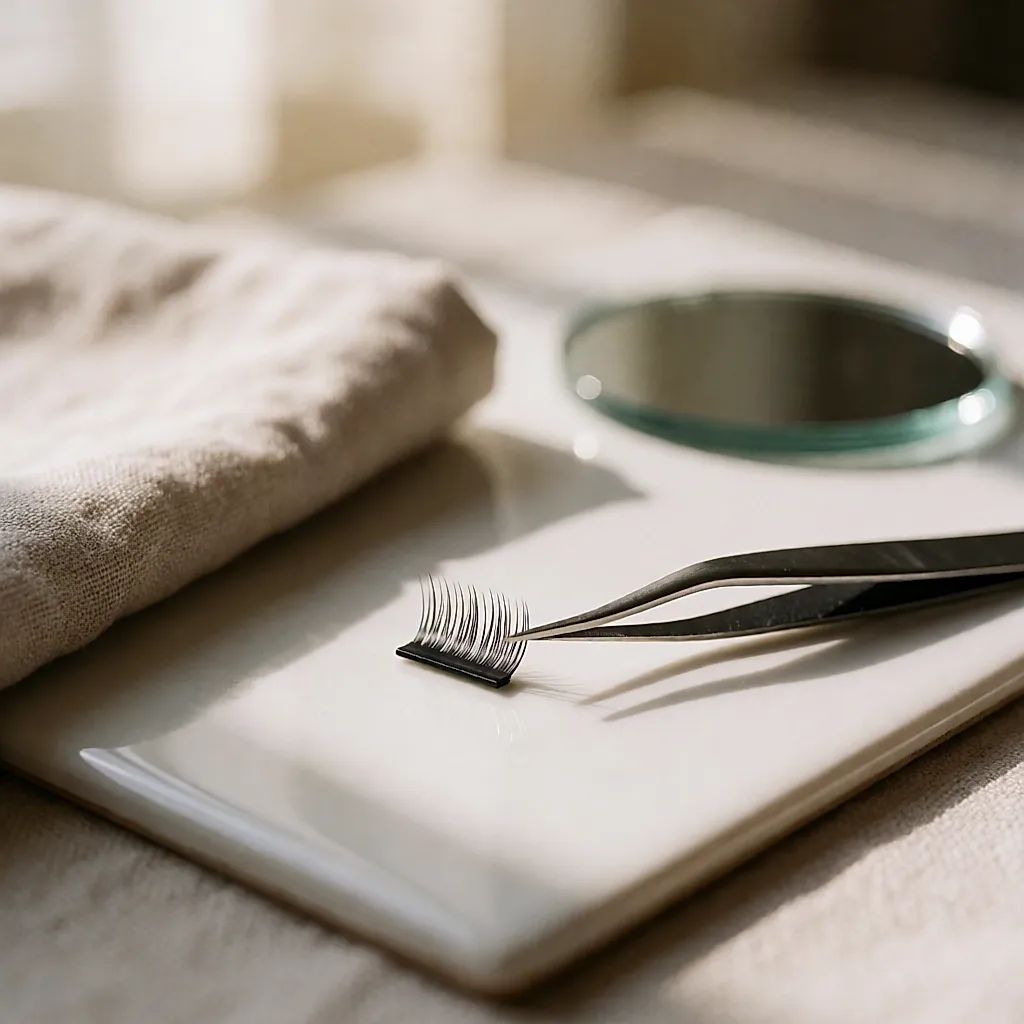
Do one eye, then the other, alternating if you're a beginner — that way you don't end up with two different densities. And if a cluster goes on crooked, ease it off gently with oil rather than tugging. Never tug: that's how you take your natural lashes with it.
Where it goes wrong
Let's be honest: DIY clusters aren't harmless for everyone. Some glues can cause irritation or allergic reactions; if you react, remove them and speak to a healthcare professional — your pharmacist is a sensible first stop. If your eyelid itches or reddens, if your eye waters or stings, take them off without arguing and let the area rest. Discomfort that lingers, a gritty sensation, redness that keeps coming back: better to talk to a healthcare professional, whose advice will be more reliable than ours.
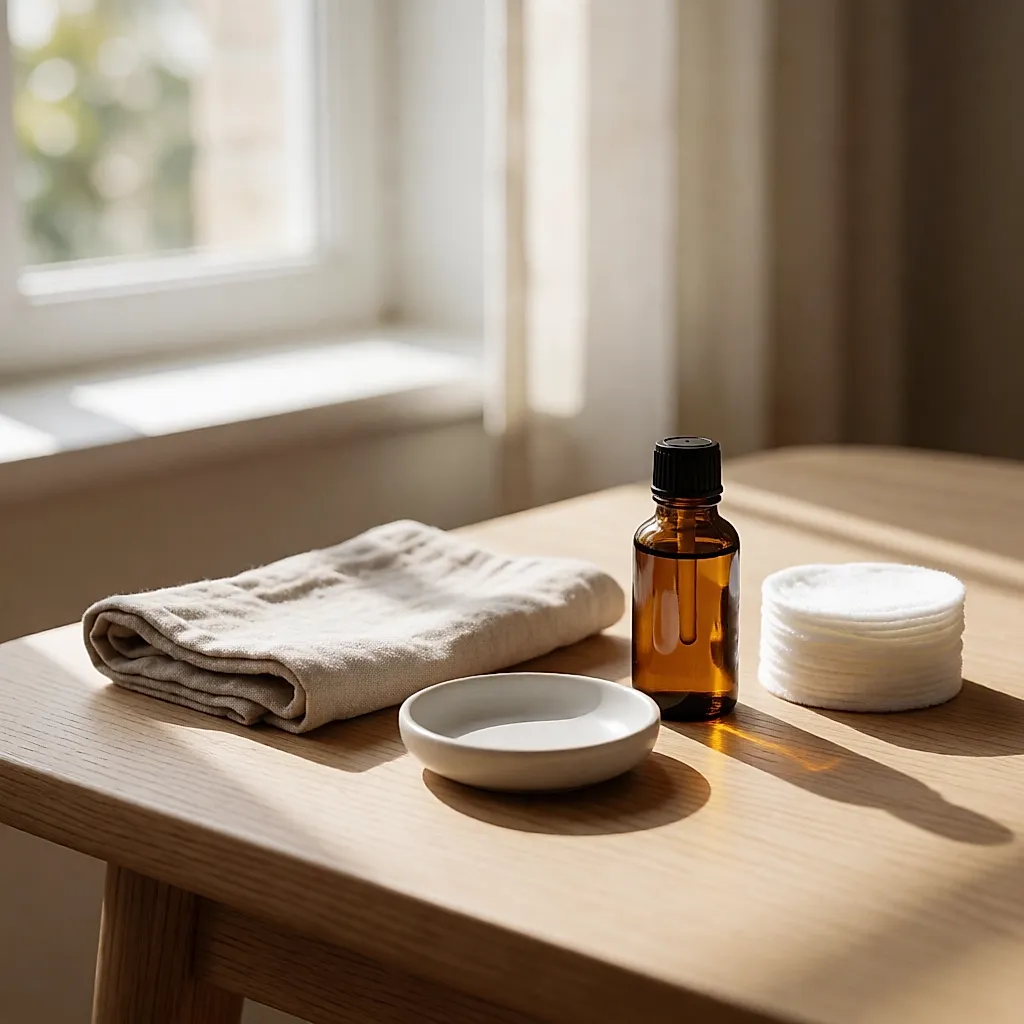
Some people are better off going to a salon: fragile or sparse lashes, contact lens wearers, anyone prone to allergies. If you have blepharitis, medical advice is essential: this condition may rule out any lash extensions, even in a salon. Same if you're after a flawless finish that lasts for weeks: DIY isn't built for that, and that's not a flaw.
Budget
A starter kit — clusters, tweezers, glue — usually costs somewhere between £10 and £35, from beauty retailers, chemists or online. Trays on their own often work out at £5 to £15 depending on density and how fine the hairs are; glue, roughly the same. Replace it regularly: an opened bottle dries out and holds less well.
In a salon, a full set of extensions typically runs from around £60 to £150, with infills in the region of £30 to £60. Prices vary by city, technique and the density you ask for. Month to month, the DIY kit still works out far cheaper — as long as you don't start hoarding unopened packs. We all know the drawer in question.
In practice: you can try a single cluster on one eye before doing a full set, and watch for a reaction over the following hours. No redness, no itching? Off you go. A reaction? Stop, and talk to a healthcare professional.
So: do you give it a go, or hand your lashes to a pro? If you like changing your look the way you change lipsticks, and your diary looks like a game of Tetris, DIY clusters have real appeal. Start small: one outer corner, on a quiet evening, with nothing booked the next morning. And if your hand is still shaking on the third attempt, head to a salon without feeling guilty.

Comments
Your opinion matters: rate the article, react and reply to comments.
Comments are moderated; AI-assisted comments are flagged. Text emoticons (8-), :-), <3…) are automatically shown as images.