

The heating has come back on, so has the shower, and by the next morning your shins feel tight as a jumper that has shrunk in the wash. Is soap really to blame? Not exactly. Often it is the lather we like generous, and which repays us rather badly. In November, that small bathroom detail becomes a matter of comfort.
Lather has never cleaned anyone
A shower oil is a cleanser that does without dense foam. It contains mild surfactants dispersed in plant oils: on contact with water it turns into a milky emulsion, glides over the skin, then rinses away. The cleaning happens where the product meets your skin, not in the volume of foam on your flannel. That is also why, for the first three washes, it can feel as if you are not washing at all.
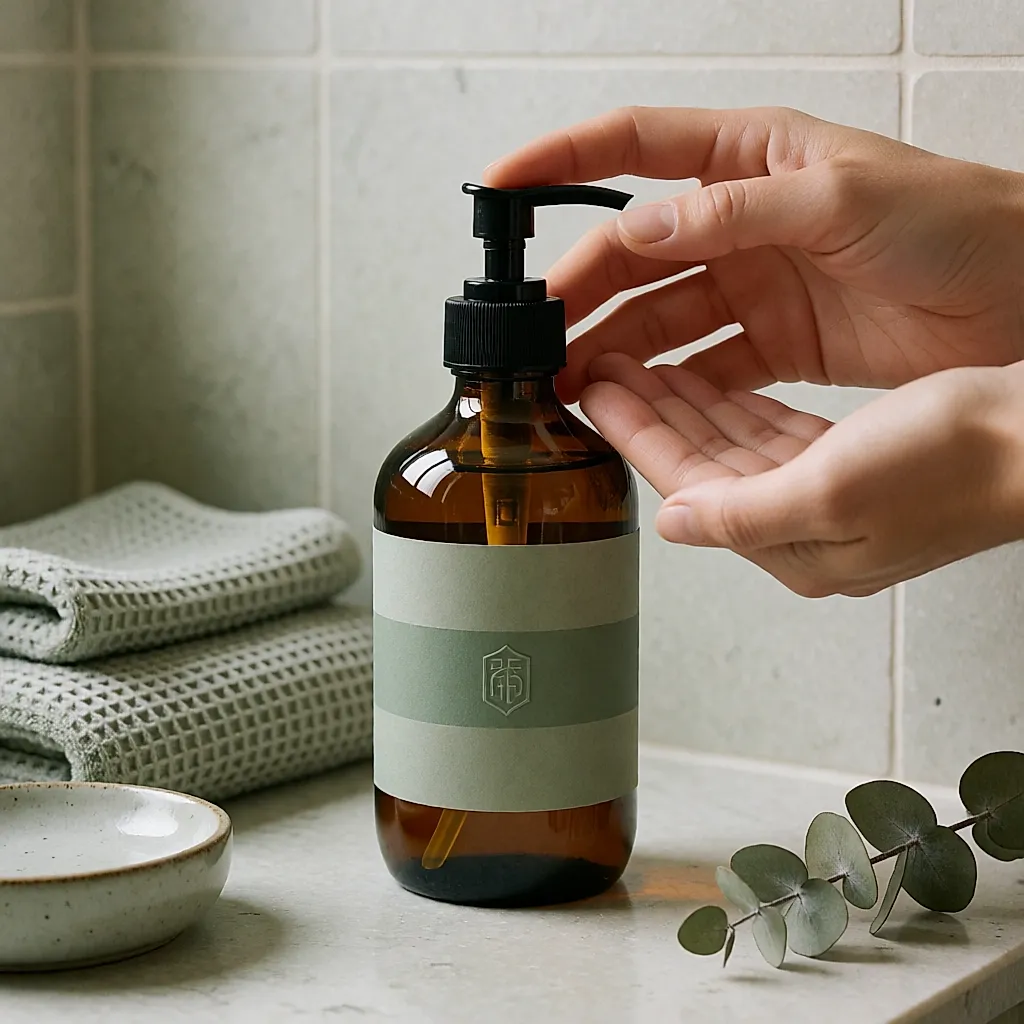
The way you use it changes for good. A small blob or one pump is enough, applied to damp skin: the oil spreads much further than a gel, which is where most of us overdo it — with no lather to measure by, it is easy to pump twice as much as you need. Massage it in without pressing hard, rinse briefly, and step out with soft skin rather than a squeaky-tight film. A small confession: the first rinse always feels too short. That is normal, and it does not mean your skin has not been rinsed.
Three things to check on the label
The shelves are full of bottles that look alike, and they do not all do the same job. Start with the stated use: 'shower oil' for the body, 'cleansing oil' for the face — the two are not interchangeable. Then look for plant oils and glycerin, which often sit near the top of the ingredients list, followed by mild surfactants, those '-glucoside' names that make your eyes glaze over. And the 'soap-free' claim on the bottle? It does not mean 'won't clean': it describes the formula, not a guarantee of tolerance.
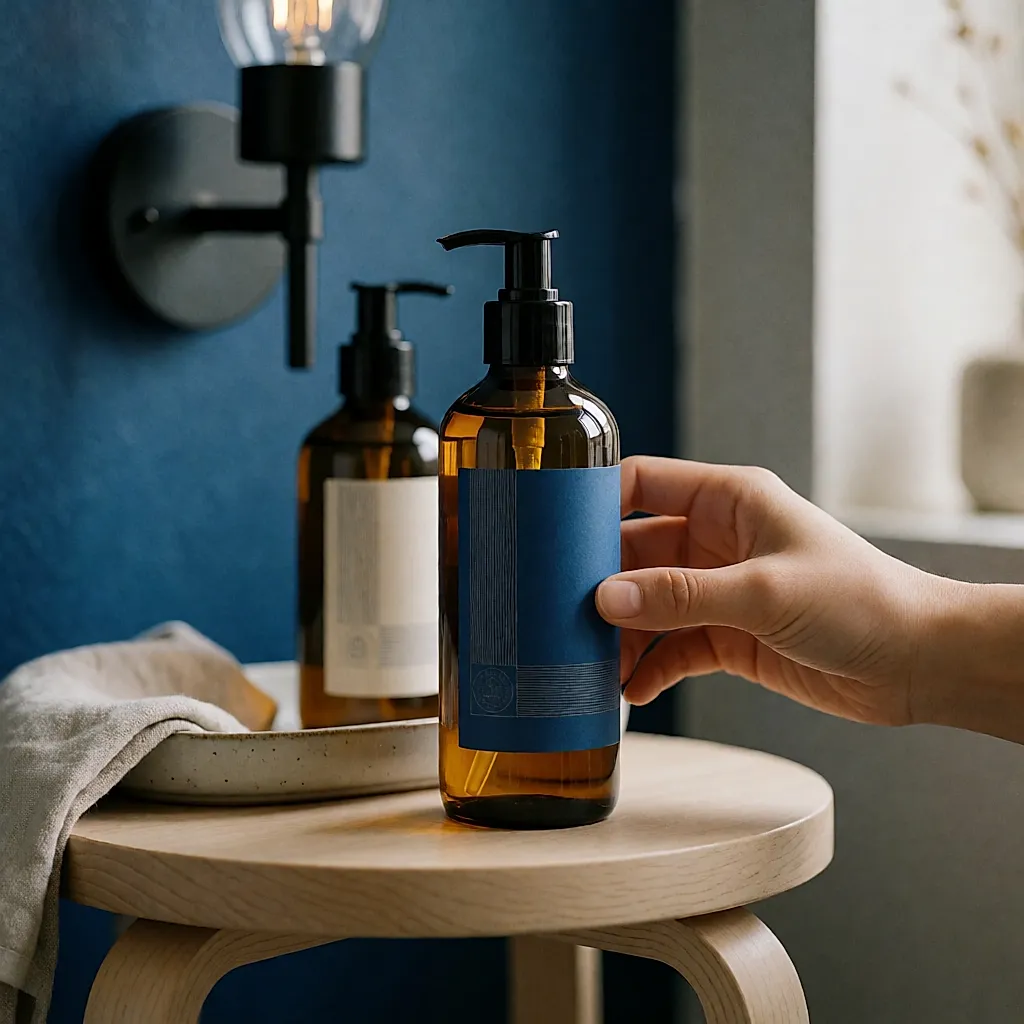
As for certifications, Cosmos Organic or Cosmos Natural set standards for the share of natural and bio-based ingredients and for the formulation criteria; several certifying bodies, including Ecocert, issue them. Useful for narrowing things down, but no label guarantees that a product will suit your skin: a certified bottle can very well contain the essential oil that makes you flush.
The real trade-off is fragrance
It is the most common compromise, and the least well explained. A shower oil that smells lovely is a pleasure for the whole shower; but fragrance, whether synthetic or essential-oil based, remains one of the ingredients most likely to make reactive skin react. The '100% natural' on the label changes nothing: an essential oil is natural, and it can very well irritate.
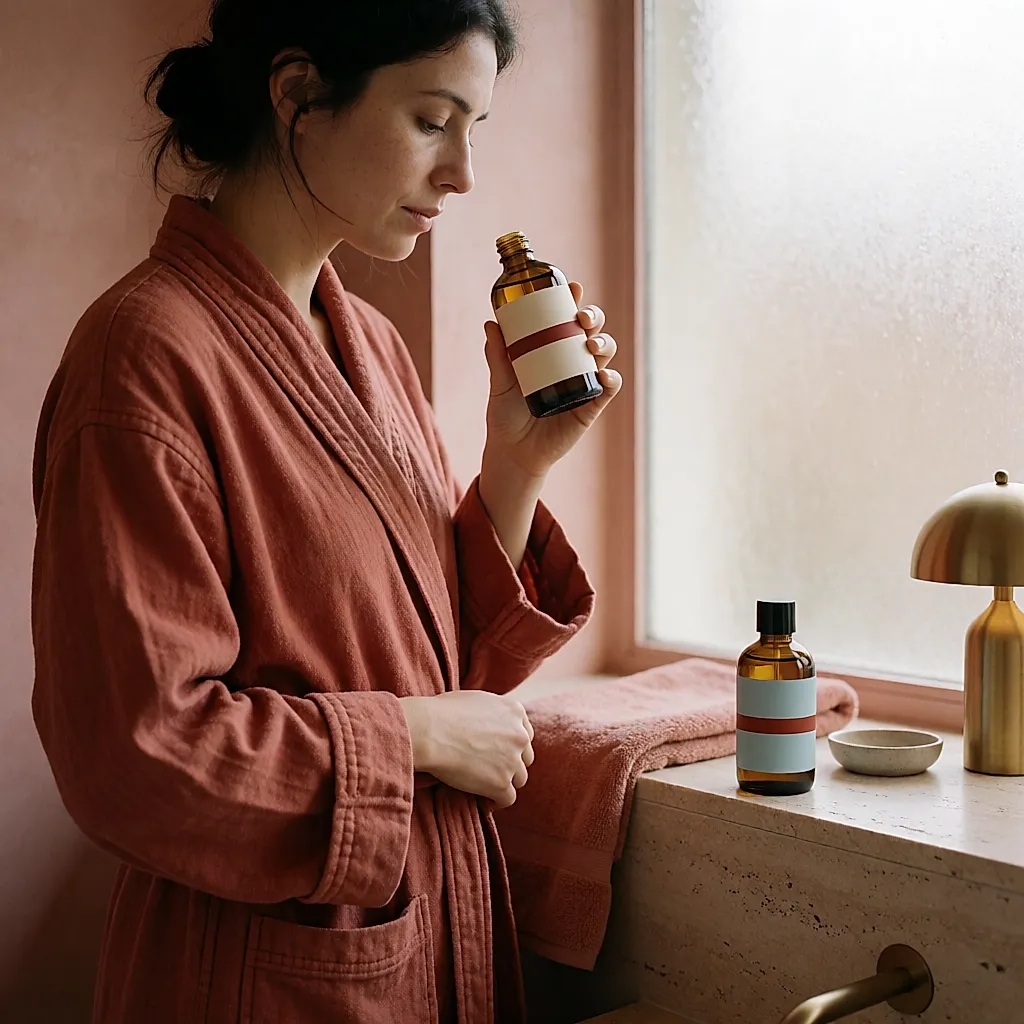
If your skin feels tight, goes red or itches after a shower, start by looking for the fragrance-free version — not 'natural fragrance', not 'aroma': fragrance-free. You keep the texture, you lose the scent, and that is often a good trade. And if the discomfort persists, it is no longer a question of comparing products: speak to a pharmacist or GP, who can look at what three bottles cannot fix.
What it costs, and why refills matter
In pharmacies and health-food shops, expect to pay around £10 to £25 per bottle, depending on size (200 to 500 ml), certification and where you buy it. A large bottle from a health-food shop often gives the best value per litre; a small pharmacy bottle costs more per millilitre, but lets you try it without committing to ten months of showers.
The detail that matters most over time is the refill. A refillable glass bottle costs more up front, then the refill usually works out cheaper than a full bottle — provided you can actually find one near you. The question to ask before falling for a pretty container: will I still find the refill in six months? If not, you have bought a vase.
The routine that makes the difference: damp skin, one dose, a short massage, a brief rinse. And keep the bottle away from the shower head — hot water from the jet does not help you judge how much you are using.
November is a good month for this switch: skin becomes more demanding without making you want to overhaul the whole bathroom. A shower oil is not a conversion, just a slightly slower step and a bottle you stick with. If after two weeks your skin thanks you, keep the oil; if not, go back to shower gel without guilt. Showering is not an exam.


Comments
Your opinion matters: rate the article, react and reply to comments.
Comments are moderated; AI-assisted comments are flagged. Text emoticons (8-), :-), <3…) are automatically shown as images.