
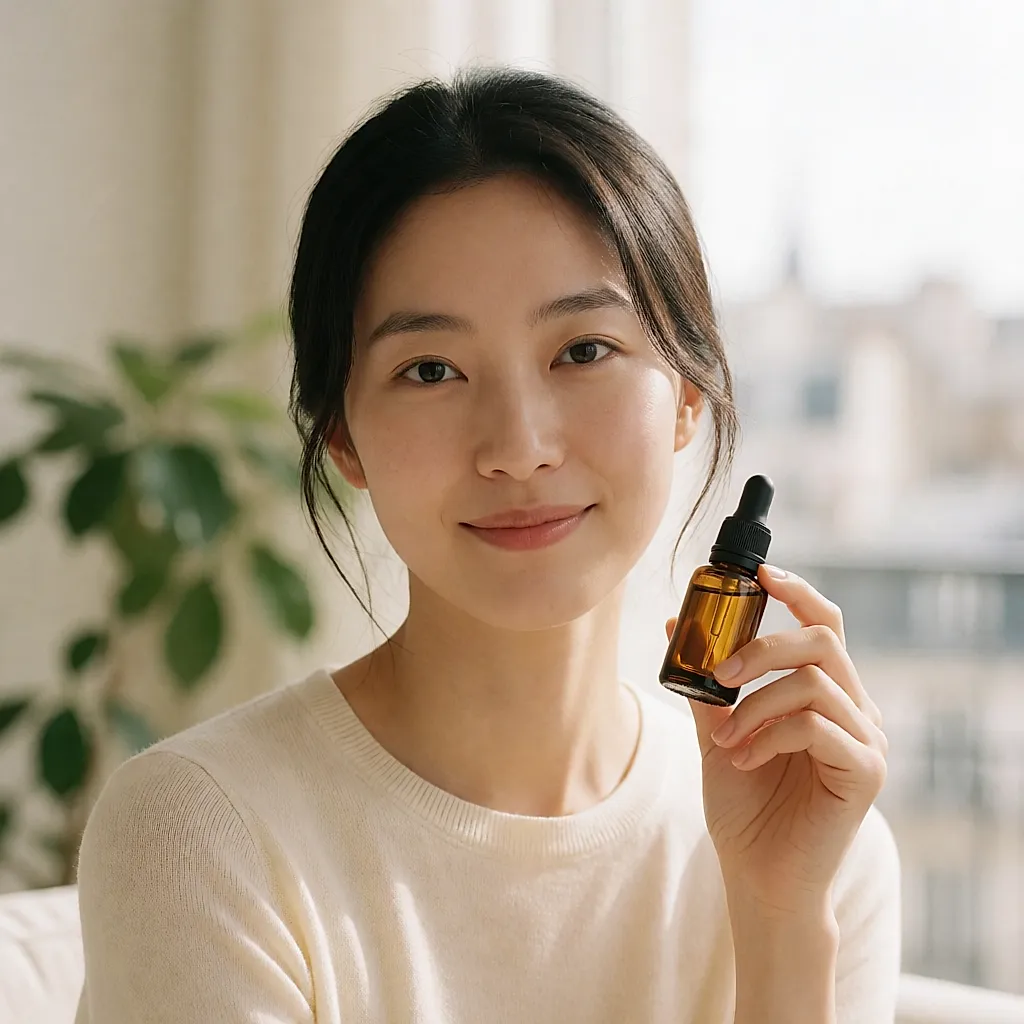
You get home after a day in the city, take off your make-up, and your face still feels tight. That's not your imagination. Between the commute, the office and the street, your skin has taken in a mix of fine particles, ozone and volatile organic compounds. The subject isn't new, but the formulas have moved on. Here's what genuinely works — and what you can reasonably expect from a jar of cream.

Why pollution takes a toll on your skin
The sebum your skin produces naturally forms a protective film. That's useful. Except that when it meets pollutants it oxidises, picks up particles and loses part of its barrier role. Your complexion looks dull, pores get congested, skin feels tight.
Research into the skin exposome — the sum of the environmental factors your skin is exposed to — shows that air pollution keeps oxidative stress going and speeds up skin ageing. Fine particles and ozone are the two main suspects. Nothing alarming, but enough to justify a routine that's a little more attentive than usual.
Cleanse, but don't strip
It all starts with cleansing, and the logic hasn't changed. In the evening, an oil or a cleansing balm dissolves make-up, oxidised sebum and oily particles. Emulsify with a little lukewarm water, rinse, then finish with a gentle foam or gel to lift the rest.

In the morning there's no need to scrub: a light cleanse is enough. Skin that's been stripped back produces more sebum and becomes more reactive — the opposite of what you're after.
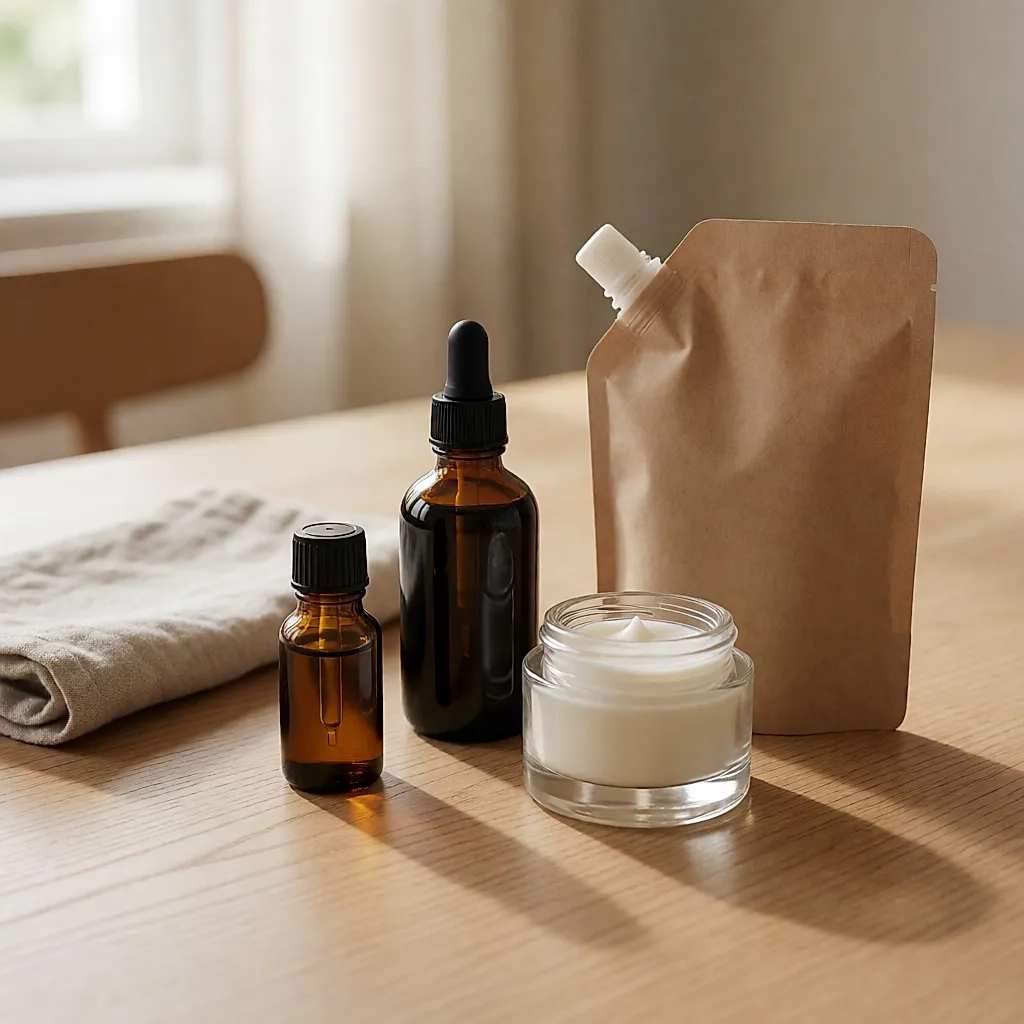
On the label front, look for a COSMOS ORGANIC certified cleanser. This European standard, run by Ecocert Greenlife, requires a minimum share of organic ingredients and a restricted ingredient list. Choose a glass bottle or a refill where you can: it cuts plastic, and these formulas often contain less fragrance.
The habit worth having: take your make-up off within 30 minutes of getting home, not just before bed. The longer particles sit on your skin, the less good it does you.
Antioxidants, and why the formulation matters more than the claim
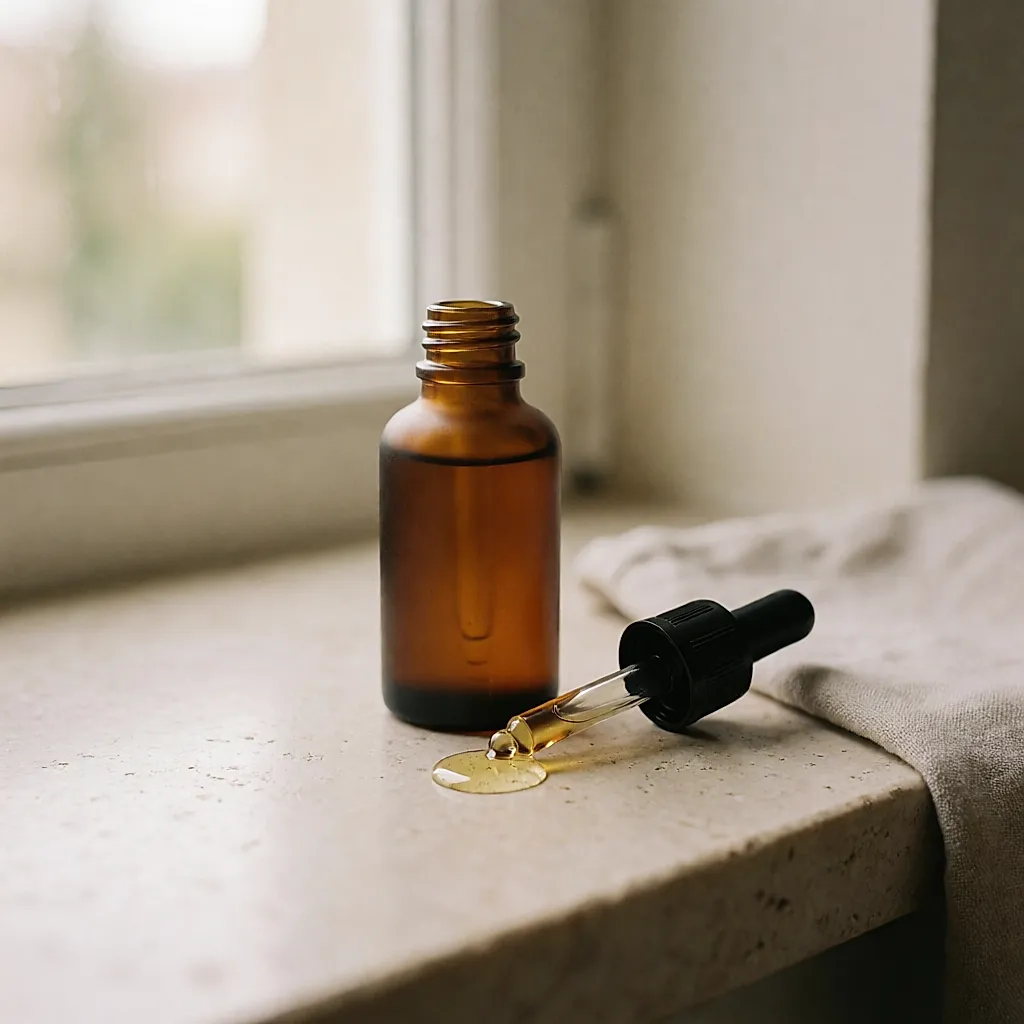
Stabilised vitamin C, polyphenols, niacinamide, brown algae extracts, trace minerals: anti-pollution actives exist, and some are well documented. But it all depends on texture and packaging. Vitamin C in an opaque glass dropper bottle keeps far better than in an open jar.
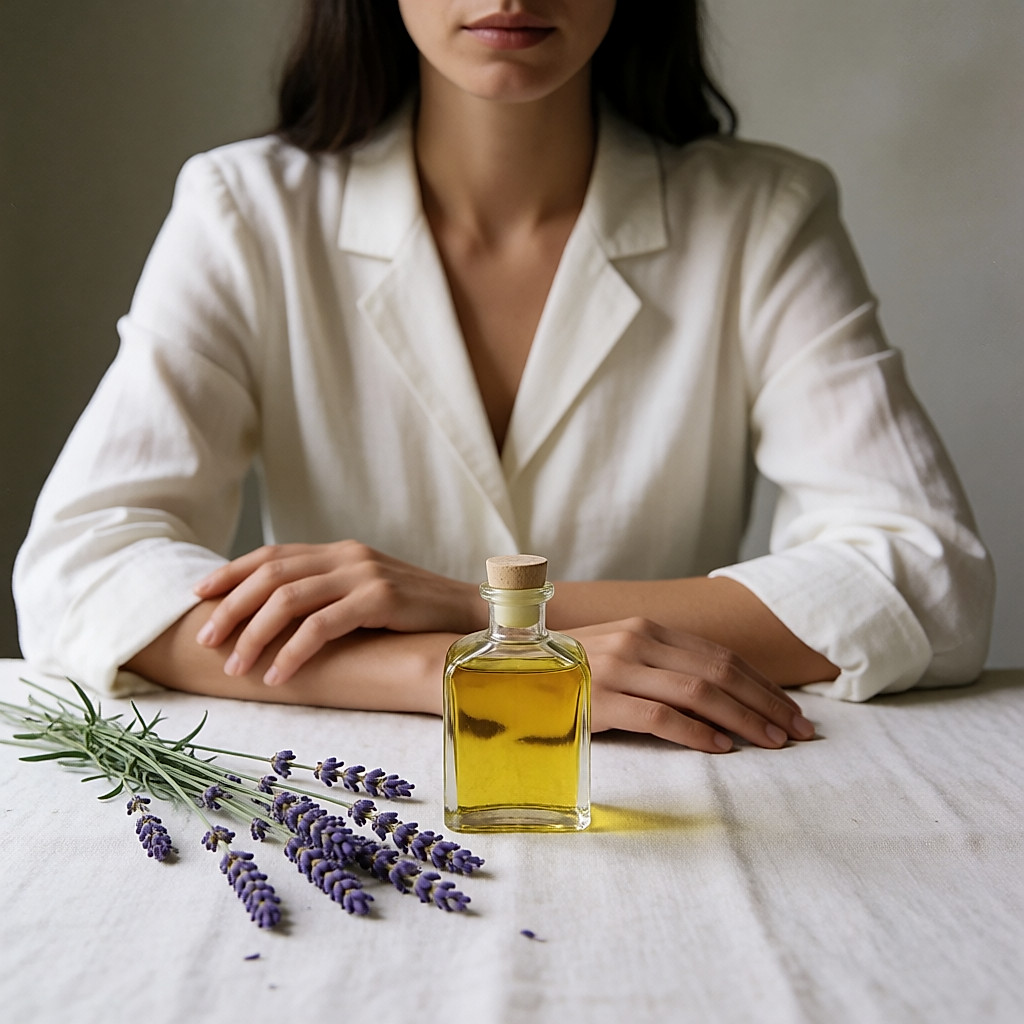
For oily skin, a light fluid as a first layer under your moisturiser. For dry skin, a richer serum, pressed in with your fingertips, then a more substantial cream on top. A serum doesn't replace your moisturiser; it preps skin for it.
I'll be straight with you: I haven't tested every serum on the market. What I can tell you is that on tired-looking skin, a well-formulated antioxidant serum makes a visible difference after a few weeks — not in three days. Be wary of anything promising a transformation in record time.
Sunscreen is your best defence
This is the bit we forget most often. Pollution and UV add up, and a sunscreen in the morning remains the most effective protection you have. Choose SPF 30 to 50, apply it to clean skin, and don't skip your neck and ears.
If you're after a mineral option, formulas with mineral filters and fluid textures have come a long way. That said, a day cream with SPF doesn't let you off reapplying if you're outside for long stretches.
Don't forget your hair
It takes a hit too. Particles, smoke, hard water: hair fibre loses its shine and roots get greasy faster. A mild shampoo, a thorough rinse, and a light mask now and then. Avoid heavily detergent-based formulas, which aggravate the scalp without cleaning it any better. On the packaging side, solid formats or refills make a real difference over time.

Budget
Expect roughly £10 to £20 for a cleanser or cleansing oil from a chemist, pharmacy or health-food shop. An antioxidant serum sits more in the £25 to £60 range, depending on how concentrated the actives are. A day cream with SPF runs from about £15 to £40, and hair care from £10 to £25. Prices vary with brand and retailer.
What pushes the price up: certification, the actual concentration of actives, the packaging (glass rather than plastic) and whether a refill is available. Health-food chains and pharmacies are often cheaper than the beauty hall for a comparable formula. Travel sizes let you try something without committing to a full bottle — and brands that sell online sometimes offer refills at a softer price than the original.
Sources
- Santé publique France (the French public health agency) — "Ambient air pollution and health" briefing
- ADEME (the French agency for the ecological transition) — "Air pollution"
- Krutmann J., Bouloc A., Sore G., Bernard B. A., Passeron T., "The skin exposome", Journal of Dermatological Science, 2017
- World Health Organization — "Air pollution" and public health pages
- Ecocert Greenlife — COSMOS standard (COSMOS ORGANIC / COSMOS NATURAL)

Comments
Your opinion matters: rate the article, react and reply to comments.
Comments are moderated; AI-assisted comments are flagged. Text emoticons (8-), :-), <3…) are automatically shown as images.