

You’ve probably walked into a gym… and then straight back out again. Too many machines, too many people, and no idea where to start. It happens to lots of people, and it isn’t a lack of motivation: it’s a lack of instructions. That’s exactly the gap a personal trainer fills.
What is personal training, exactly?
The idea is simple: a qualified trainer focuses on you, and only you, for an hour to an hour and a half. Fitness, martial arts, dance, strength work, return-to-exercise conditioning—every trainer has their specialities, but the approach is the same. It starts with an initial consultation: your body, your history, what you enjoy and your schedule. Then they build a programme tailored to you, not a generic plan copied off the internet.
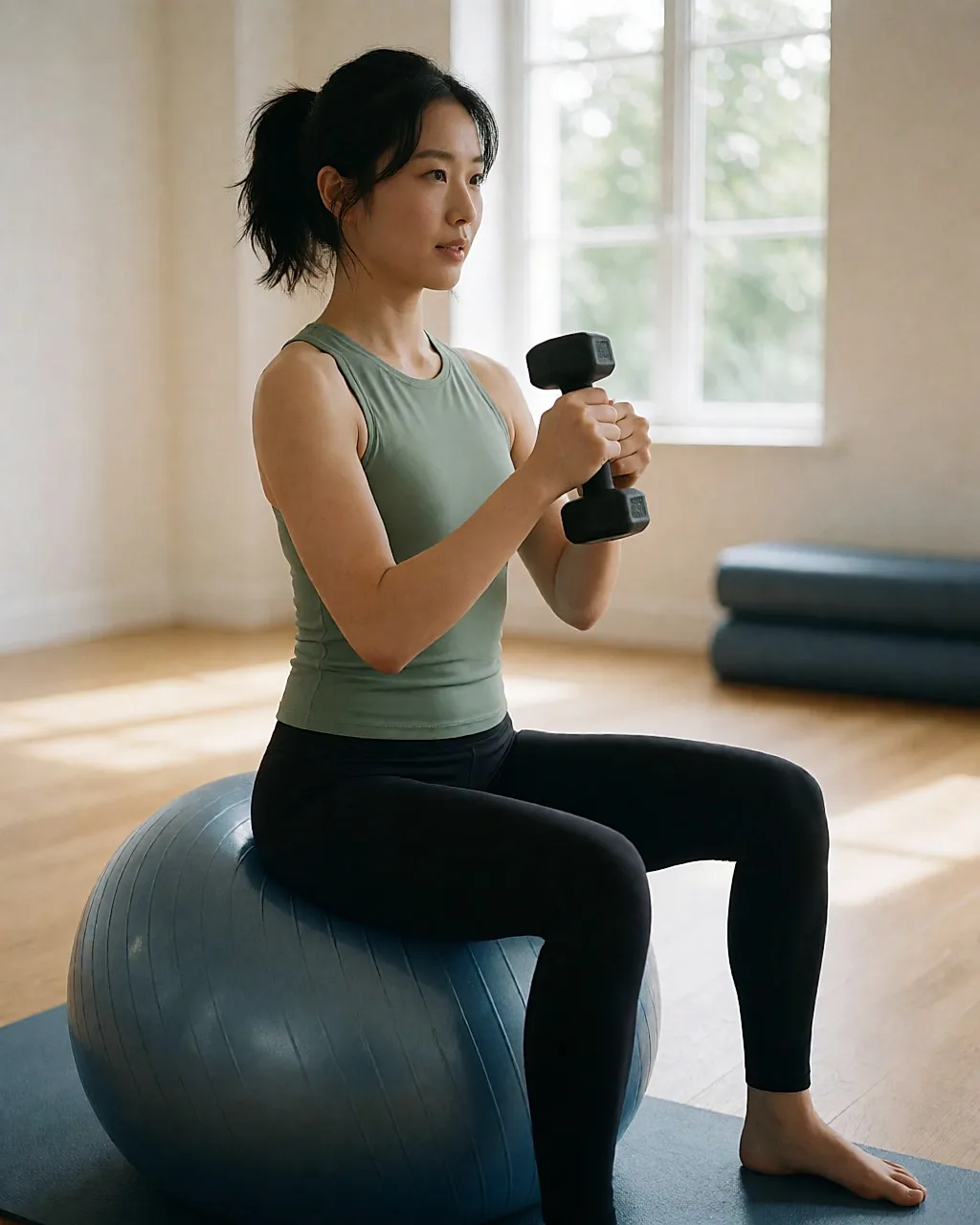
During the session, your trainer keeps you going when you flag, corrects your form and adjusts the load as the weeks go by. In practice, it’s this outside perspective that helps you avoid bad habits, especially when you’re starting out and can’t yet tell the difference between useful effort and a risky position.
Does it really work?
It’s the real question, and it deserves an honest answer. Current evidence suggests that regular support helps people stick with it over the long term, whereas going it alone often fizzles out after a few weeks. Physical activity itself has a strong evidence base: it improves stamina, breathing and muscle tone.
That said, no one can promise you a particular result within a set timeframe. Your sleep, diet, recovery and consistency matter just as much as the session itself. It’s better to aim for two sessions a week and stick to them than to exhaust yourself three days in a row and then vanish.

Budget: what it really costs
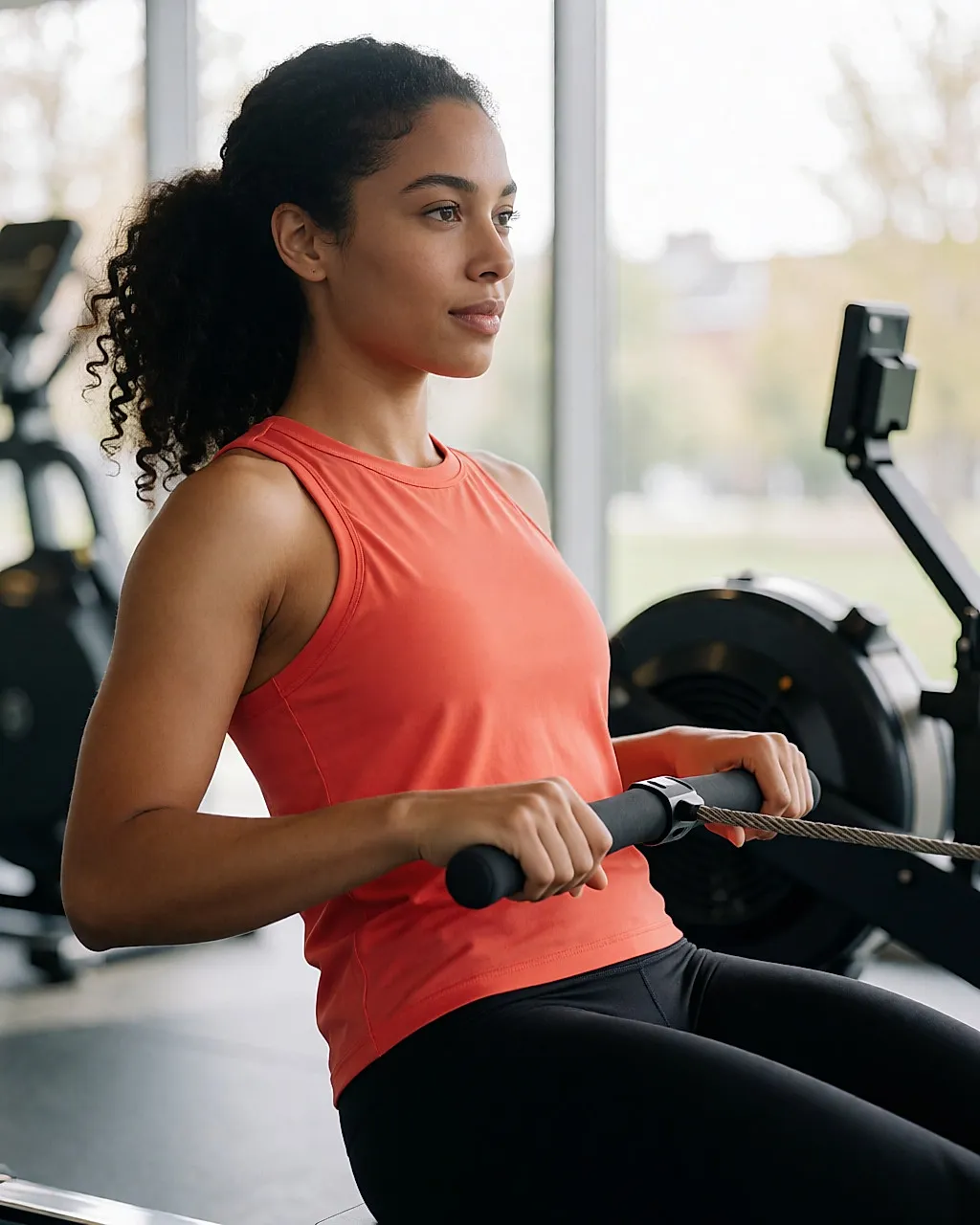
Prices vary widely, which is exactly why you should ask for a written quote before committing. Expect roughly £30–£60 for a one-hour one-to-one session in a gym, depending on the city and the gym; the range tends to rise to around £50–£85 when the trainer comes to your home, especially in large cities. Blocks of ten sessions usually bring the per-session price down—roughly £300–£600 for the pack, again depending on the provider.
Online coaching often sits between £25 and £70 a month: a remote programme, occasional video calls and adjustments by message. It’s more flexible and often more affordable when your schedule shifts. Small-group classes, at a gym or through a local council leisure centre or community scheme, remain the cheapest way to keep some structure and an outside eye.
On the funding side, some private health insurers include fitness benefits or rewards, and some employers or councils offer discounted activity schemes. It’s worth checking what your policy, workplace or local leisure centre provides.
How to choose a personal trainer
Always ask about qualifications and insurance. In the UK, personal training isn’t a protected title, so standards can vary. Reputable trainers usually hold a recognised Level 3 personal training qualification, public liability insurance and first aid training, and many are registered with a professional body such as CIMSPA. Then try a first session before buying a block: you need to get on with them, or you won’t go back.
Small detail that matters: a good trainer asks about your sleep, any pain and your diet. If they sell you a programme without asking anything, be wary.
What we know, and what we don’t yet know: moving regularly is beneficial—that’s established. However, no programme replaces your overall lifestyle, and no session makes up for ignored pain. If you have a health condition, persistent pain or are taking medication, speak to your GP or a physiotherapist first. A trainer is neither a doctor nor a physio: their role is to support you, not to treat you.
The idea, ultimately, is to stop paying for a gym membership you don’t use and put that budget into support that suits you. A trainer just for you is something to think about, try out—and keep when you click.
Sources
- World Health Organization (WHO), 'Physical activity', recommendations for adults: 150 to 300 minutes of moderate activity per week.
- NHS, 'Physical activity guidelines for adults'.
- UK Chief Medical Officers' Physical Activity Guidelines.
- CIMSPA, information on personal trainer qualifications and professional standards.



Comments
Your opinion matters: rate the article, react and reply to comments.
Comments are moderated; AI-assisted comments are flagged. Text emoticons (8-), :-), <3…) are automatically shown as images.