

At the start of November, the box of winter knits comes up from the cellar and brings with it a 1990s scent memory: that mothball smell that stings your nose and clings to wool like regret. We love it for what it does — keeping moths at bay — and hate it for everything else. So what about cedar? Cedar is used as a traditional preventive measure, with limited and not guaranteed efficacy — as long as you know exactly what you are asking of it.
A traditional defence, not an insecticide
Virginian red cedar, the kind used for blocks and hangers, is a traditional preventive measure for wool. Its effect is limited and not guaranteed, and it is not a treatment for an active infestation — a preventive measure, not an insecticide. The distinction is essential, because it also sets out the limits: the presence of scented wood is not enough to deal with an already infested room.
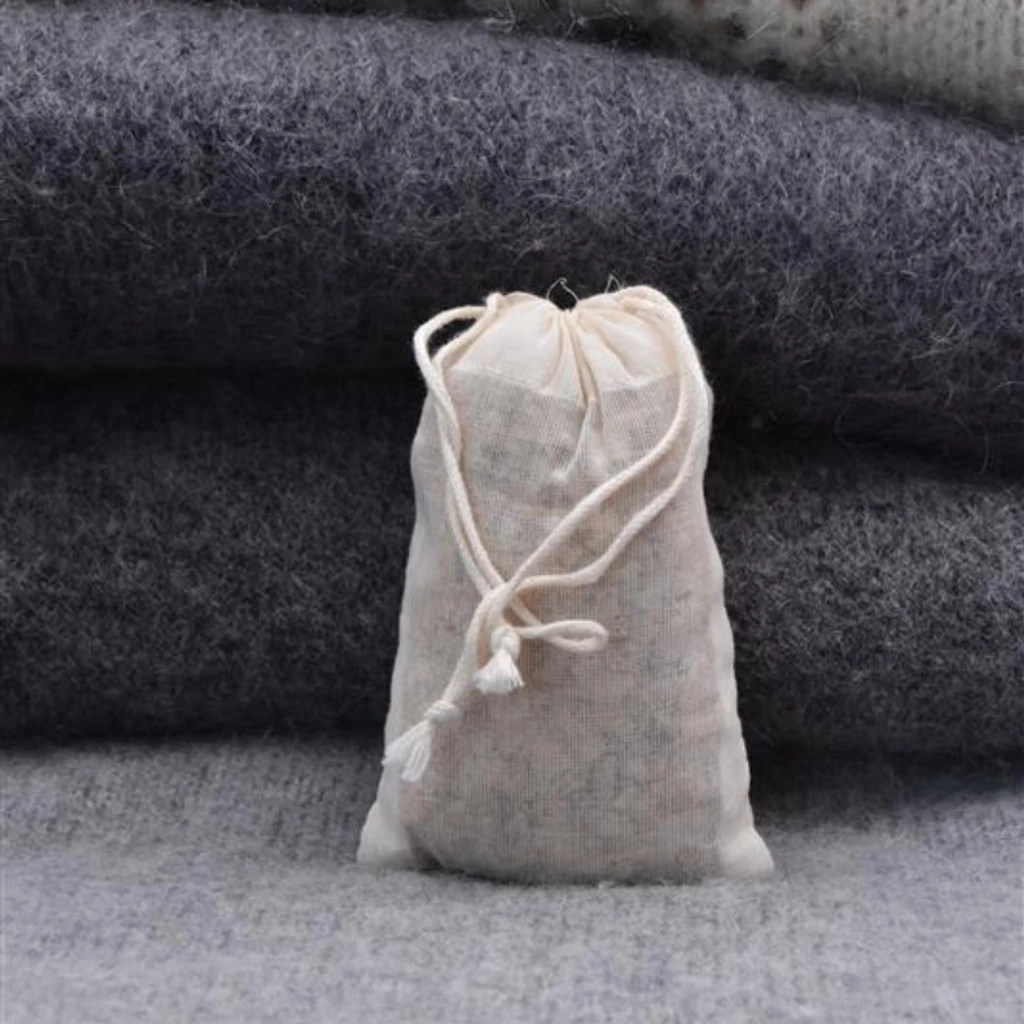
Another detail we conveniently forget: for the cedar scent to register, it needs a fairly enclosed space — but one that can breathe — not a crammed drawer where knits get crushed. In a dressing room open to a whole room, the smell dilutes and the gesture becomes mostly decorative — which, visually, still looks lovely.
How much cedar, and where to put it
How many blocks, then? In practice, put a block in each drawer and a few in the wardrobe, at both ends of the rail rather than stacked in one spot. A bag of shavings can go between two piles of jumpers, under a throw, in a wool coat's dust bag — but avoid placing it directly against a light-coloured cashmere, as the wood's oil can mark the fibre.
And leave some air, please. A wardrobe packed to the brim is a dark, warm box where moths feel at home; a well-ordered winter wardrobe keeps a finger's width between piles. It is also the moment to pull out pieces you no longer wear — the wardrobe will be lighter, and storage safer.
The sandpaper step most people forget
The scent of cedar lives in its outer layers. Over time the block smells of very little and everyone concludes it doesn't work, when all it needs is a fresh surface. A pass of fine sandpaper, used dry, over the faces of the block gives you a clean, strong scent again: dust it off, put it back, and repeat as soon as the wood goes quiet.
A cedar hanger can be sanded too, and it is worth doing more than once. As for shavings, they need replacing — the only consumable in the system, and cheaper than a merino jumper.
When moths have already moved in, cedar will not save the day
A small clean hole, a loose thread, fine dust at the bottom of the drawer? Cedar has no business there. Putting a block next to a holed jumper is like perfuming a flooded room: it smells good, and the water still rises. Isolate the item, wash it according to the care label or send it to the dry cleaner's, vacuum the wardrobe, leave it to air, and only then put the cedar back as a preventive measure.

If the damage has spread across several pieces, a cleaning or pest-control professional will be more useful than a bag of shavings. That is not a failure; it is common sense.
Washing, and why your jumper has a mystery smell
Moths do not go for wool out of greed: they like what is left on it. A jumper worn a few times carries sweat, body oils, a little perfume and sometimes a trace of lunch — exactly the kind of trace that makes a garment more inviting. Storing without washing can encourage moths to settle in for the season.

Have you ever brought a jumper out in February with a strange smell? That is the explanation. Wash at the temperature on the care label, dry it completely — not 'almost dry' — and then store. Avoid a sealed plastic cover: condensation makes wool mouldy and traps a musty smell. Use cotton, tissue paper or a breathable bag, and let cedar take its place as a preventive measure.
What to budget
Expect to pay around £5–£12 for a bag of cedar shavings, £10–£25 for a pack of blocks or rings, £8–£20 for a cedar hanger, and up to £30 for more polished designs. The price varies with volume, finish and where the wood comes from — a criterion that matters if you want to avoid shavings 'scented' with synthetic oil.
Where to find them? Hardware shops, garden centres, supermarkets and specialist online retailers. A fully cedar-lined wardrobe runs into hundreds of pounds: one to reserve for storage you plan to keep for twenty years, or to hunt down second-hand.
Mothballs are not a room fragrance: they are a product to handle with care, keep out of reach of children and never leave in direct contact with fabrics. Their smell lingers in wool — which is why some winter jumpers end up at the dry cleaner's.
There is nothing magic about it, just wardrobe logic: store clean, let things breathe, sand when the scent fades, and keep cedar in its place, as a preventive measure. This winter, the compliment may not be about your merino — but about that fresh wood scent that floats out when you open the wardrobe.



Comments
Your opinion matters: rate the article, react and reply to comments.
Comments are moderated; AI-assisted comments are flagged. Text emoticons (8-), :-), <3…) are automatically shown as images.