
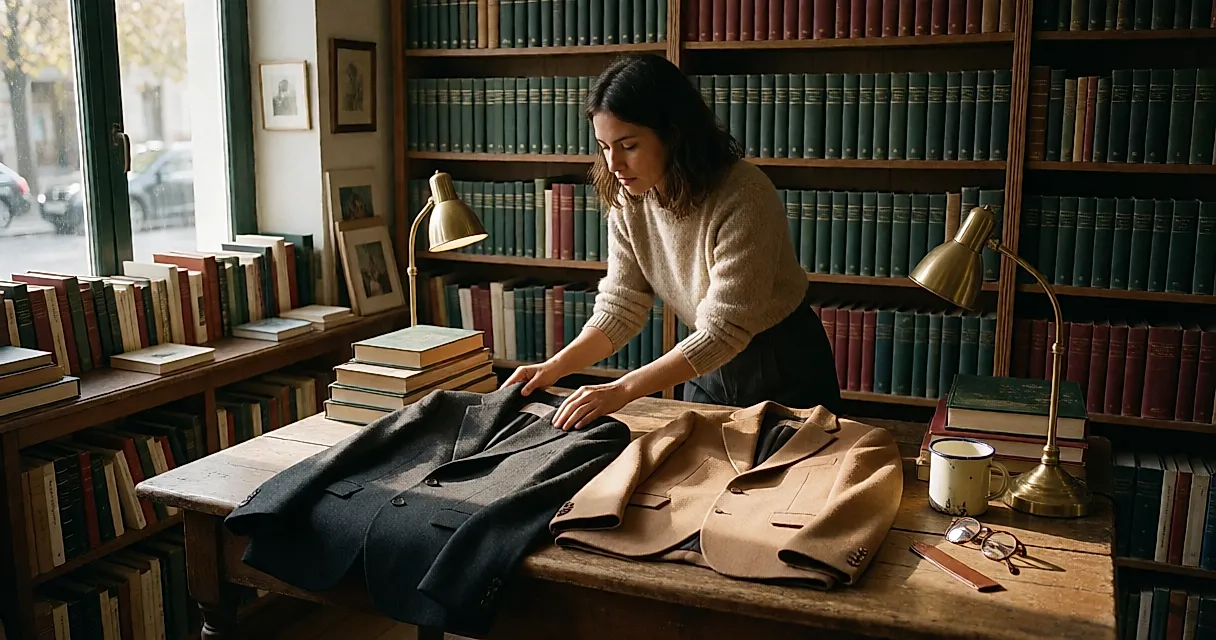
Two wool jackets, same cut, same condition — and yet one sells in three days while the other lingers online for weeks. What separates them isn't visible when you wear it: it's a name, stitched onto the inside label. On the resale market, the brand has become a valuation in its own right, and it shifts faster than most of us realise.
The announcement effect: Antonin Tron at Balmain
Sometimes a single appointment moves the value of an entire wardrobe. Antonin Tron, founder of Atlein, whose pieces are recognisable by their fluid jersey and drapes that follow the body, has been appointed creative director at Balmain. The reseller's reasoning then comes down to one line: when a house changes creative hands, eyes turn towards it, and demand can follow — for new pieces and past seasons alike.

A name on the rise can make even an already-worn jacket desirable. Among enthusiasts, silhouettes from the Olivier Rousteing era — sharp shoulders, defined waist, leather and studs — already circulate as pieces worth watching for. It isn't that the quality has suddenly improved; it's a question of attention. And attention, on a resale platform, can end up translating into pounds.
What the name adds, and what it hides
When you sort through your wardrobe, you judge a piece by its fabric, its drape, the neatness of its seams. A buyer starts by turning the collar over. The label promises a cut, a finish, a way of ageing — and that promise sells, even after two winters of wear.
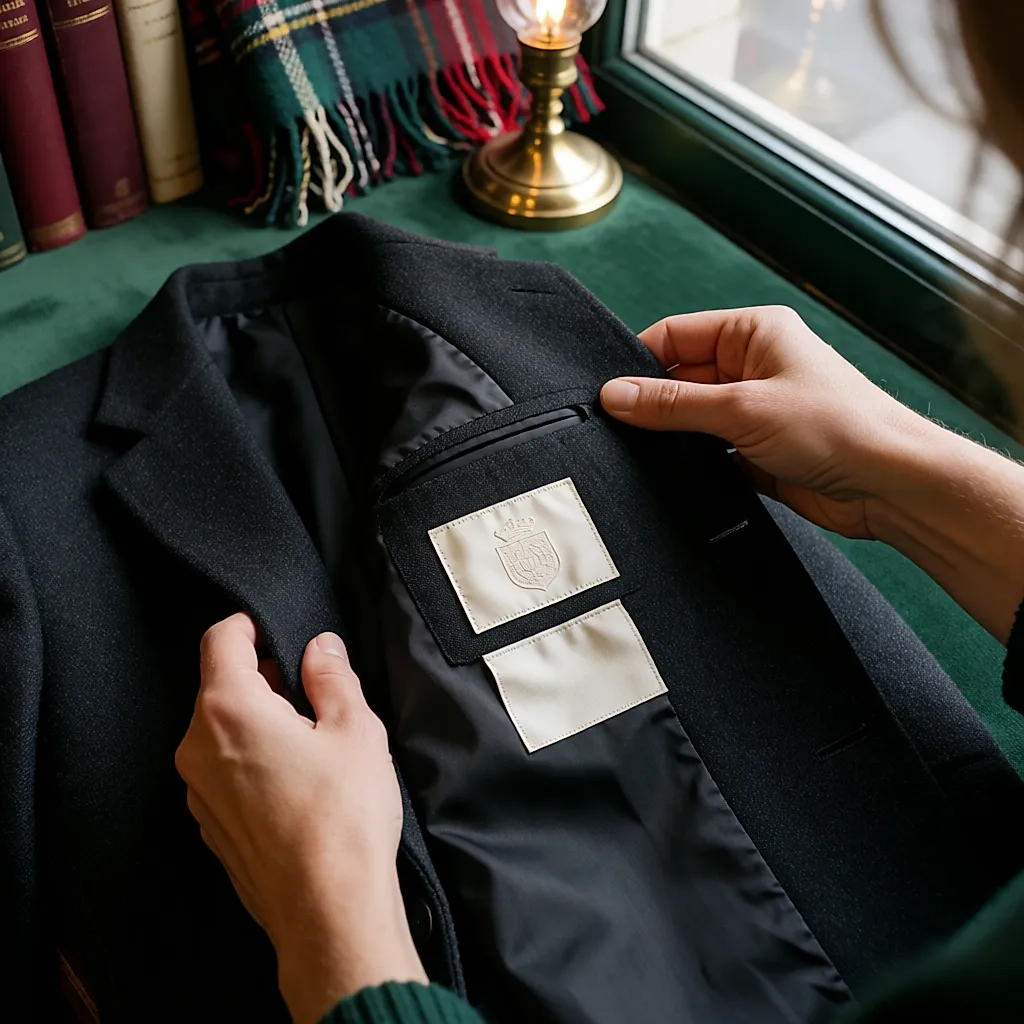
Does the label actually guarantee anything? Not much beyond an intention to do things well. That's the faintly absurd side of the whole mechanism: a beautiful unbranded piece gets haggled over; a thoroughly ordinary piece with a name gets snapped up. The garment isn't better, but the decision becomes easier. Whether you're buying a piece or a story is up to you.
Buying: a listing is no substitute for trying it on
Before you commit, ask for flat measurements and compare them with something you already own: our piece from 7 November walks through the method.

Then look at what the name doesn't tell you: the composition label (keeping an eye on the synthetic fibre content without turning it into a drama), the state of the lining, whether the buttons are original, marks at the armholes. A signed piece that's damaged is often worth less than an immaculate basic. And let's be honest about the highly structured cuts at luxury houses: they tend to flatter long, lean silhouettes and sometimes flatter a fuller bust far less. In that case, cut wins over prestige.
Selling: the right moment to act when a house is in the news
If a signed piece is asleep in a box, now is the time to bring it out: news around a house can revive interest in its name. Photograph the label, the hem, the detail that sells it, and describe the flaws with the same energy as the plus points. A buyer who feels respected is more willing to commit — and you'll avoid the return that ruins a sale.
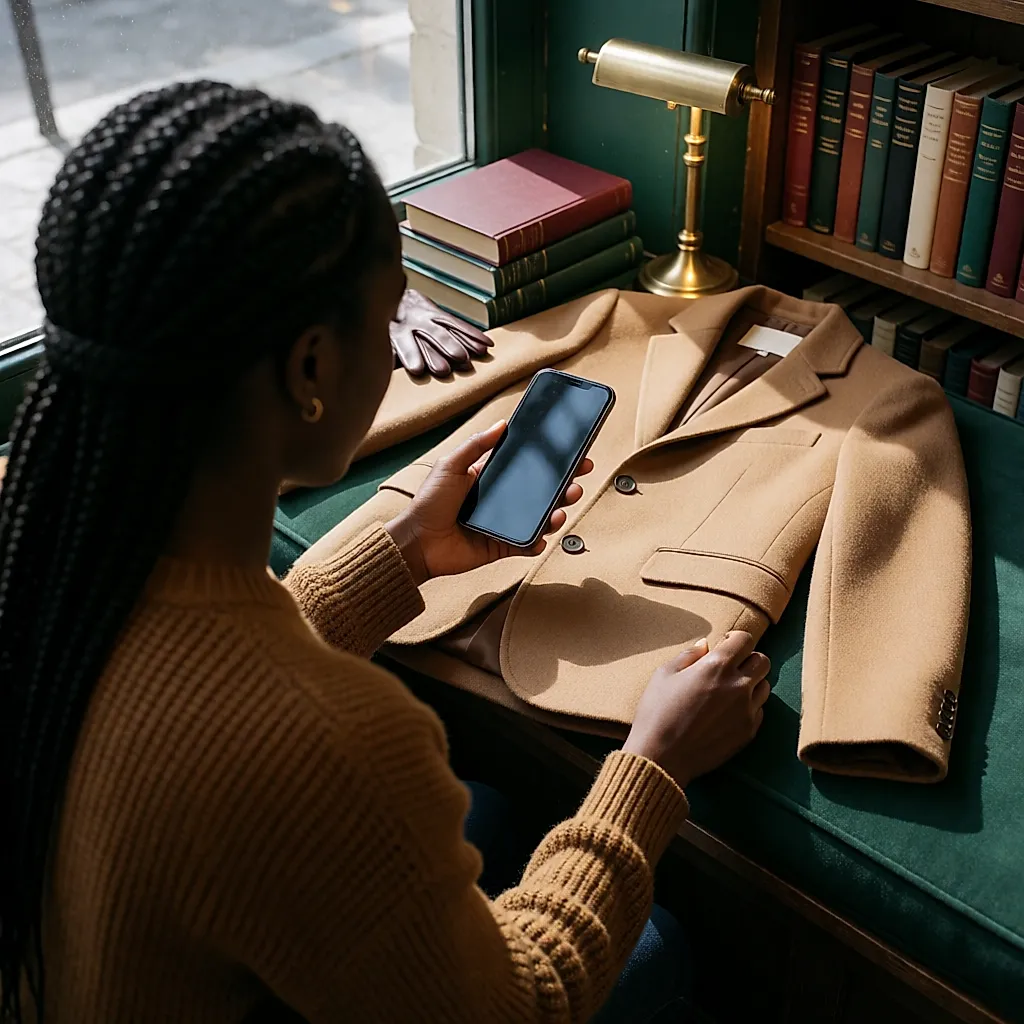
Before paying for a secondhand designer piece: ask for photos of the composition label and the brand label, plus where it was bought. Compare the price with similar listings (same house, same season, same condition). And bear in mind that an unbranded piece in a wool that hangs well often costs less.
Budget: what the name does to the total
On the buying side, the ballpark figures stay sensible: budget around £10 to £35 for an unbranded secondhand basic, and £50 to £130 for a signed piece from a luxury house — sometimes considerably more if it's vintage or particularly sought after. These are reference points, not a fixed scale: city, condition, how rare the size is and the seller's mood all move the final figure.
Don't forget the extras, which mount up quickly on a £30 jacket: £3 to £7 postage, the commission the platform takes, and a trip to the dry cleaner (£8 to £18 for a structured jacket). A "cheap" piece can end up costing far more than you expected. It's remarkable what a stitched-in name does to the bill.
The name sets the price, but you're the one wearing it. Buy the cut, the fabric and the drape first; if the name comes with them, all the better. And if your budget can't keep pace with the current going rate, hold on to the most reliable rule in any wardrobe: a piece you wear often is always worth more than a label you keep in a drawer.


Comments
Your opinion matters: rate the article, react and reply to comments.
Comments are moderated; AI-assisted comments are flagged. Text emoticons (8-), :-), <3…) are automatically shown as images.