

By the end of the summer your lengths feel rough under your fingers, the ends snap when you brush and your colour looks washed out — even your usual shampoo has stopped making any difference. With me it always lands in early September: pool chlorine, holiday UV and a hairdryer used without mercy. Honestly, before you start thinking about a cut, there are two steps worth getting right: a pre-wash treatment and a post-wash one. Everything else is just comfort.

What actually wears your hair out
Tired hair isn't dead hair. It's a fibre whose cuticle — the scaly outer layer wrapped around it — has been lifted and roughed up. Heat from straighteners, bleach or colour, vigorous brushing on wet hair (when the fibre is more elastic, and so more vulnerable), friction against the pillow: all of it lifts those scales. The result is that light no longer bounces off properly, the texture feels raspy and detangling turns into a tug of war.
No product can re-fuse a broken fibre. What you can do is coat it, smooth the surface and limit the damage still to come. That's the whole point of a ritual done properly.
The overnight oil bath
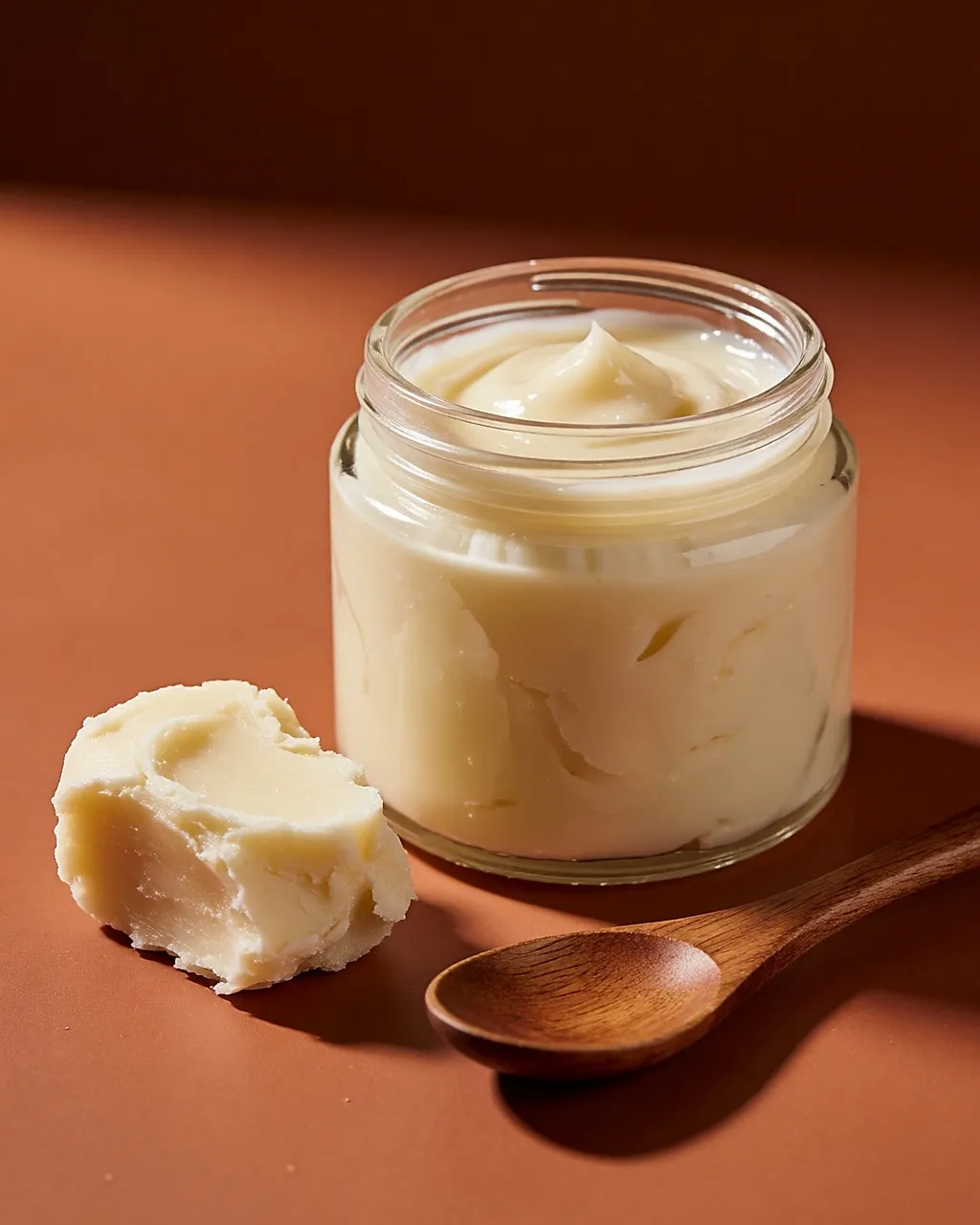
The pre-wash step goes on dry hair. Work through the mid-lengths and ends and keep it off the roots — unless your scalp feels tight or itchy, in which case a gentle massage does it good.
Which oil you reach for depends on your texture: jojoba is fluid and sinks in fast, castor is thick and coating, avocado is rich and suits very dry hair, while raw shea butter goes on in a small amount, ends only.
Ideally you apply the oil in the evening, wrap your lengths in a warm towel and sleep on it, then wash it out the next morning. If patience isn't your thing, thirty minutes under a warm towel already gives a visible result.
The post-wash mask: ten minutes, not one
The back of the tub usually says leave it for a minute. Give it ten. It's the step that makes the difference, especially on hair that's gasping.
Two details matter more than the brand. First, squeeze the water out: a treatment applied to dripping hair slides down the fibre instead of clinging to it, whereas hair blotted with a towel holds on to it. Second, cover it: a warm towel on top helps the actives get in.
Rinse with warm water, then finish cool. You'll read everywhere that cold water 'closes the cuticle': the effect on immediate shine is real, but don't expect a lasting transformation. Very hot water, on the other hand, genuinely dries hair out.

Leave-in, for days when you're rushing
A leave-in cream goes on damp or dry hair, through the mid-lengths and ends, before styling: two pea-sized amounts are enough for shoulder-length hair. It coats the hair immediately without wrecking a blow-dry you've already done. Heat protection against your hairdryer is another matter — that only applies to formulas that claim it and back the claim up.
Watch the dose: go over it and the roots get weighed down, with hair looking greasy within a day.

Right order, right amount. Oil bath in the evening → shampoo → mask for ten minutes under a warm towel → rinse warm, then cool → leave-in cream through the ends. If you only have one slot a week, keep the mask: it's the step you feel fastest under your fingers.
What's in the formulas now
Formulas have moved on, and so have the reference points. A few picks chosen for what's in them and what happens to the packaging afterwards.
Weleda rosemary hair oil (50 ml, glass bottle): NATRUE certified, a label with three tiers — natural, natural with an organic share, and organic — checked by independent bodies. Perfect for an evening oil bath. Widely stocked in the UK through health-food shops, Boots and weleda.co.uk. I haven't tested the current version myself; the details come from the official product page.
Organic carrier oils, bought loose, from Aroma-Zone or a health-food shop: jojoba, castor, avocado, raw shea, in a bottle or a refill, carrying the Cosmos Organic mark. That standard requires a set share of organic ingredients and a high percentage of natural-origin ones, verified by a certifier. Best value per millilitre, and you control the dose. Aroma-Zone is a French retailer, so UK shoppers may prefer a domestic supplier such as Naissance or Baldwins, or a local health-food shop — check for cosmetic grade and the Cosmos Organic logo.
A nourishing Cosmos Organic mask, in the style of Centifolia or So'Bio Étic: from a pharmacy, a beauty retailer or a health-food shop, 200–250 ml tub. Both brands are French and not widely stocked in the UK, so look for a comparable certified mask at a similar price; that says nothing about where the ingredients come from either way.
The trade-off: some high-street masks, such as Garnier's Hair Food range, are effective and cheap — but the formula is conventional and the tub is flexible plastic. If money is tight, a simple mask left on properly for ten minutes beats a premium treatment rushed through in two.


Budget
- Organic carrier oil, 100 ml: expect around £5–£12 depending on the oil, from a health-food shop, pharmacy or online.
- Branded hair oil in a glass bottle: roughly £15–£25 for 50 ml, from a pharmacy or the brand's own site.
- Post-wash mask, budget or organic: around £5–£15 for 200–300 ml.
- Professional-brand mask: roughly £25–£45 from a premium beauty retailer or a salon.
- In-salon deep treatment: about £15–£40 as an add-on to a cut, more in big cities or at the high end; some salons include it in the price.
The source article's salon range came from French trade figures, so treat it as a benchmark rather than a UK price list — British salon pricing varies with region and with how the salon positions itself.
What moves the bill: how concentrated the oils and actives are, certification, format and where you buy. Loose oils and raw butters remain the cheapest per use.
Sources
- Weleda UK — rosemary hair oil product page (weleda.co.uk); the French page is at weleda.fr
- Aroma-Zone — organic carrier oil pages, French retailer (aroma-zone.com)
- Cosmos Standard — organic cosmetics standard (cosmos-standard.org)
- NATRUE — natural and organic cosmetics label (natrue.org)
- Fédération Nationale de la Coiffure — French salon services and prices (federation-coiffure.fr)



Comments
Your opinion matters: rate the article, react and reply to comments.
Comments are moderated; AI-assisted comments are flagged. Text emoticons (8-), :-), <3…) are automatically shown as images.