

Picture the scene: a lip gloss lost at the bottom of your bag, the lid not screwed on properly, glitter stuck to the lining, and an appointment in twenty minutes. The real problem with old-school gloss wasn't the shine — it was the texture: thick, sticky, the kind that leaves a mark on your cup and ends up with hair stuck to your mouth the moment the wind picks up.
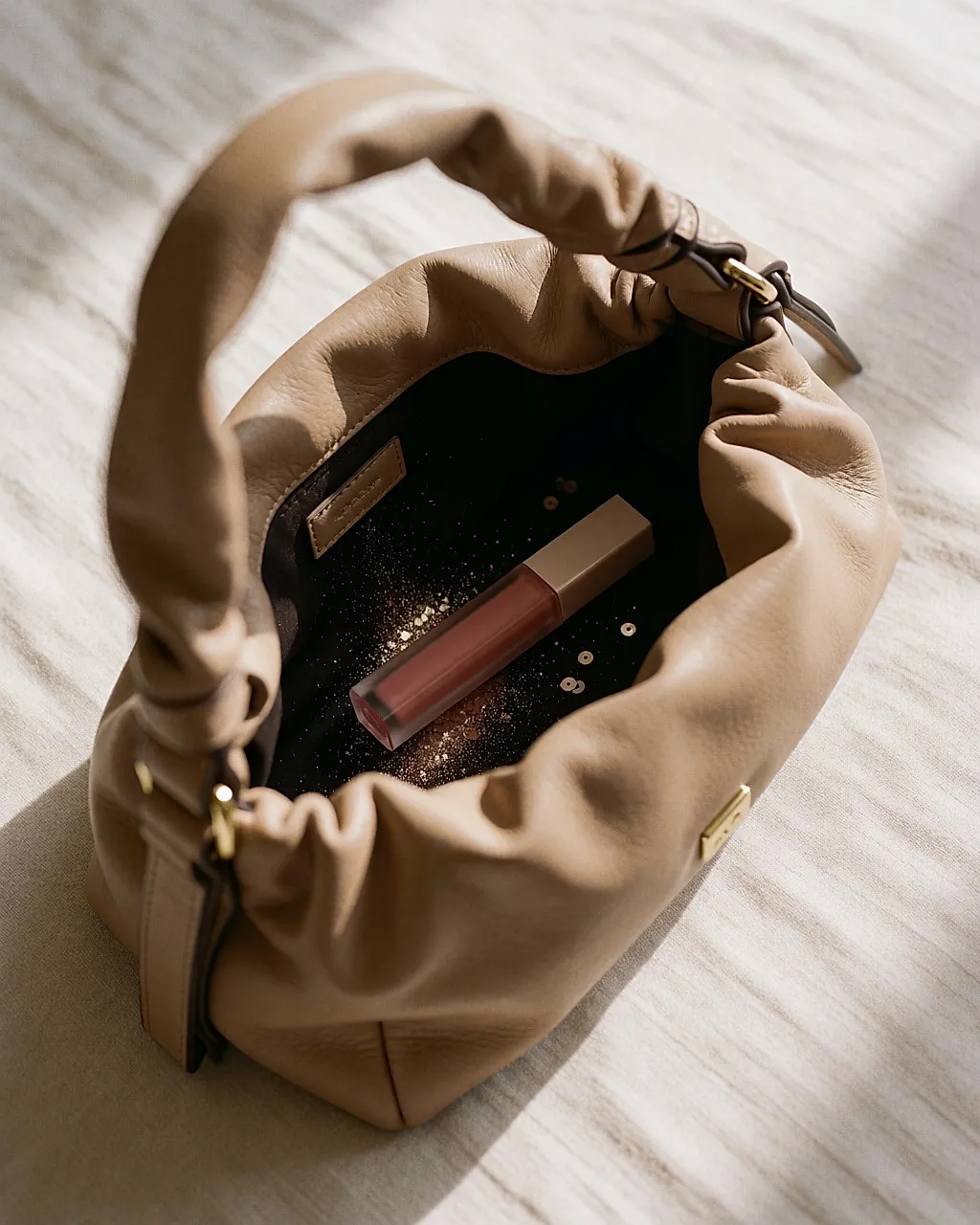
But lip gloss hasn't had its final say. It's simply learned to behave.
The shine has changed sides
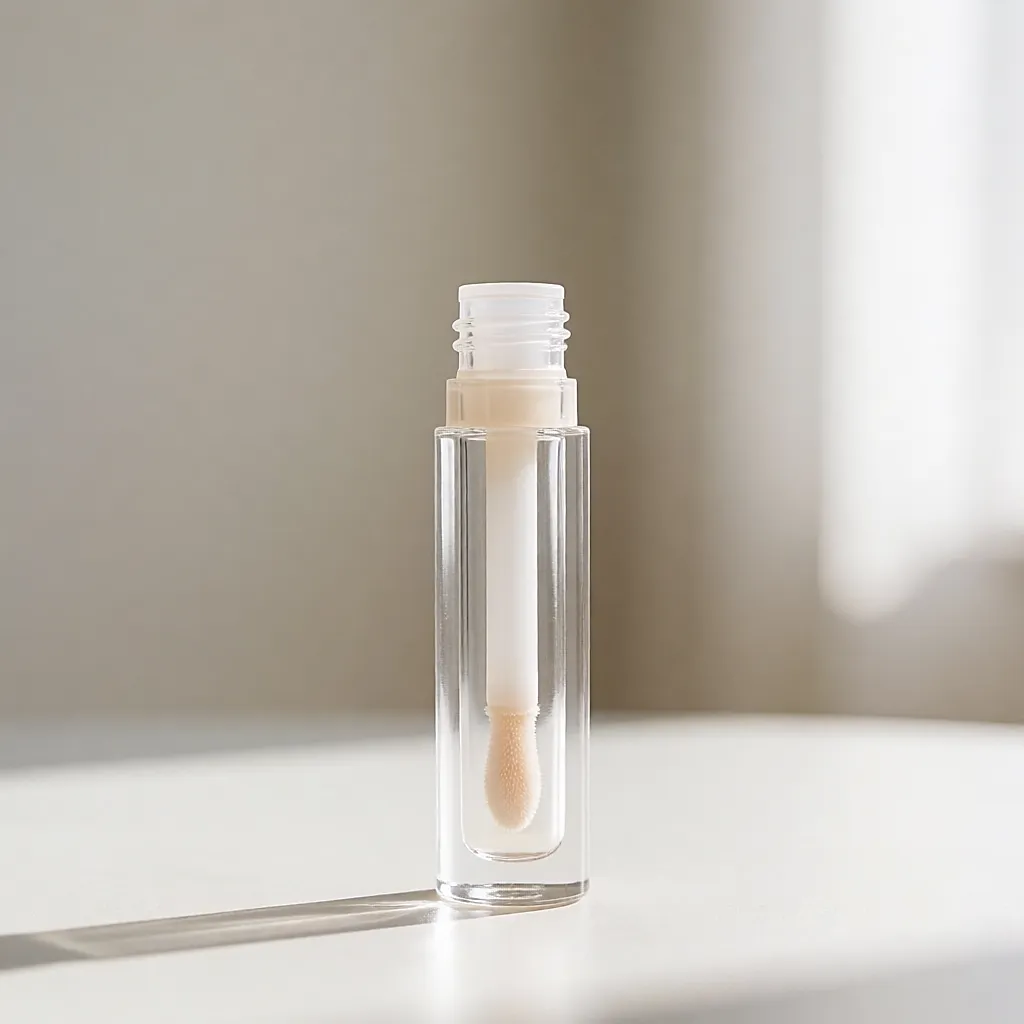
For years, lip gloss lived in the shadow of lipstick: too sweet, too shiny, a bit girly when matte was the done thing. What changed the game was the arrival of lip oils, halfway between skincare and make-up. The same promise of shine, but with a fluid texture that nourishes instead of sitting on the surface. Heritage brands followed suit: Dior with its Addict line, MAC with Lipglass, Sisley on the skincare side. Today's formulas rely on hyaluronic acid, peptides and ceramides, and on textures engineered not to stick.
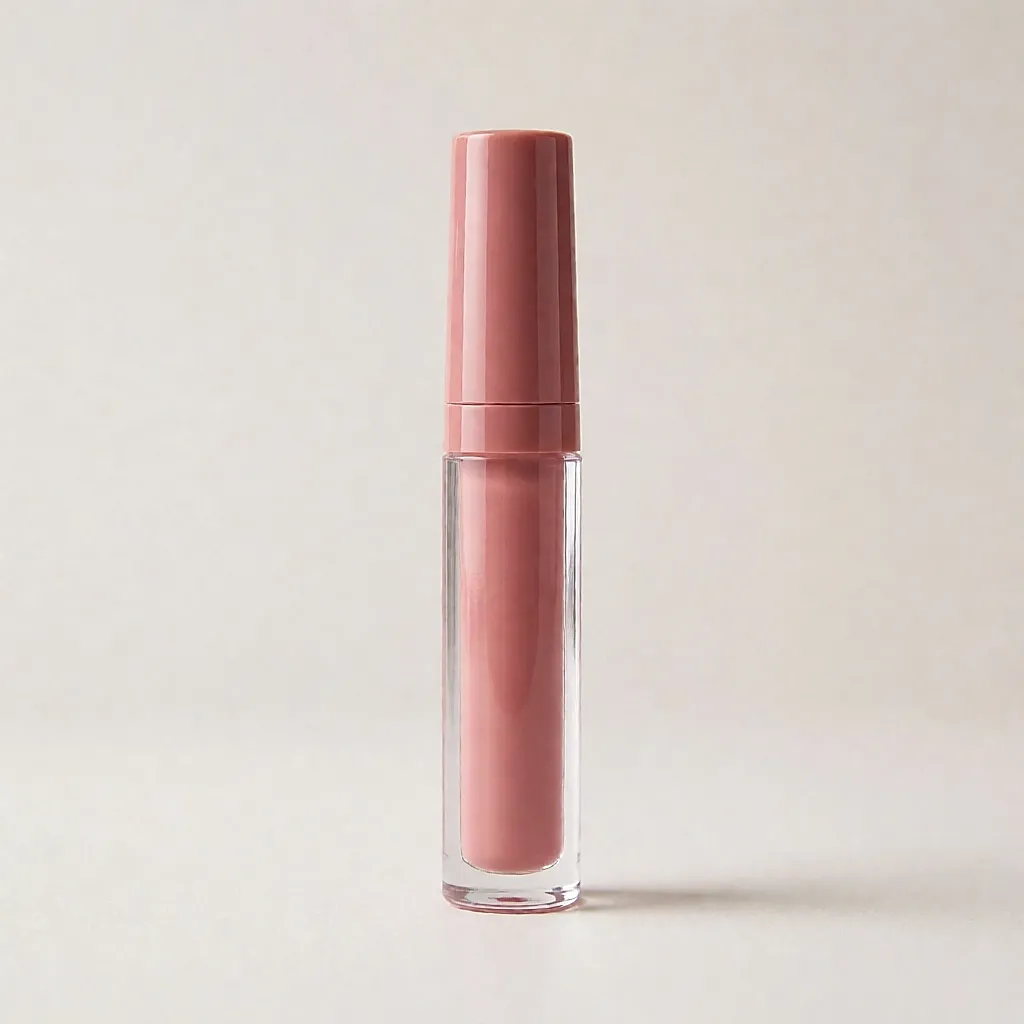
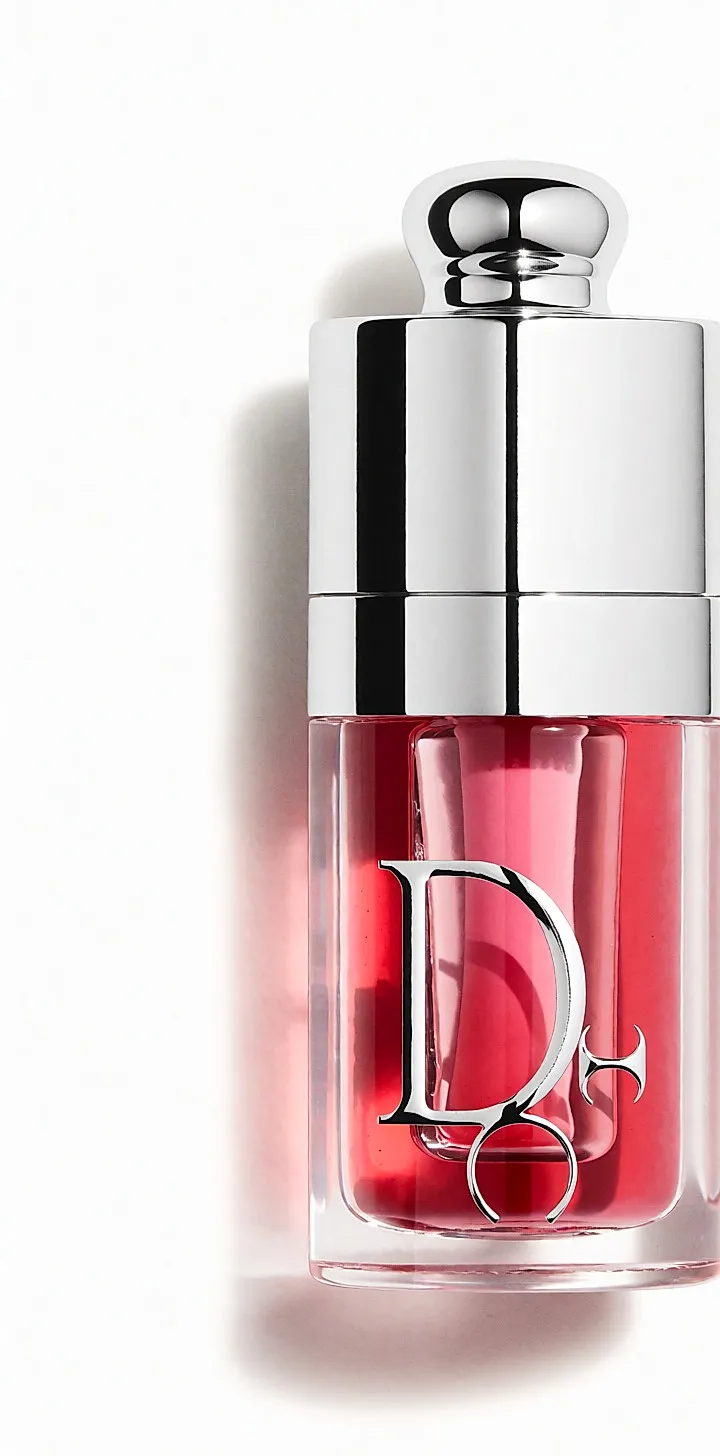
Another shift is in the ingredients. What you put on your lips partly ends up in your mouth, so brands have toned down the most overpowering fragrances and the heaviest silicones. A word of caution, though: that doesn't mean all formulas are equal, only that the question is finally being asked.
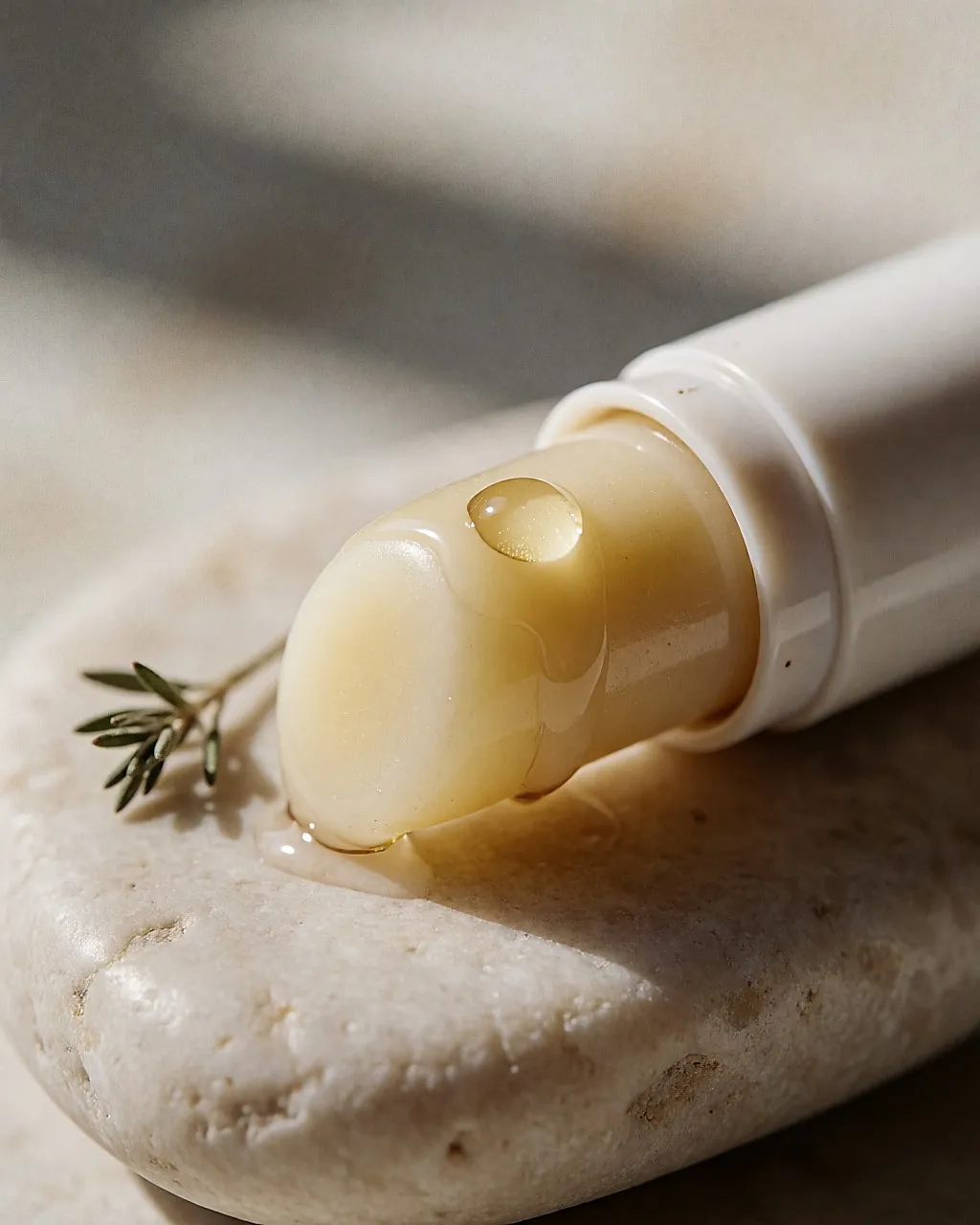
Why your lips deserve their own kind of care
Lip skin is thin, has no sebaceous glands and is less protected by melanin than the rest of the face. In practice, that means it feels tight in the slightest breeze, and UV marks it faster than the rest of the face. A hydrating gloss is no substitute for a repairing balm, but it helps prevent that tight feeling by the end of the day. And if it has SPF 15 or 20, that's a bonus for a day in town — for the beach, a proper sunscreen is still essential.

How to choose based on how you'll wear it
New to lip gloss? A clear oil, barely tinted and glitter-free, works alone on bare lips and forgives mistakes. Need something that lasts for an evening out? A pigmented gloss over a matching lip liner lasts far better than worn alone. Can't stand fragrance? The INCI ingredient list is your friend: plenty of newer formulas do without it perfectly well.
The one move that changes everything
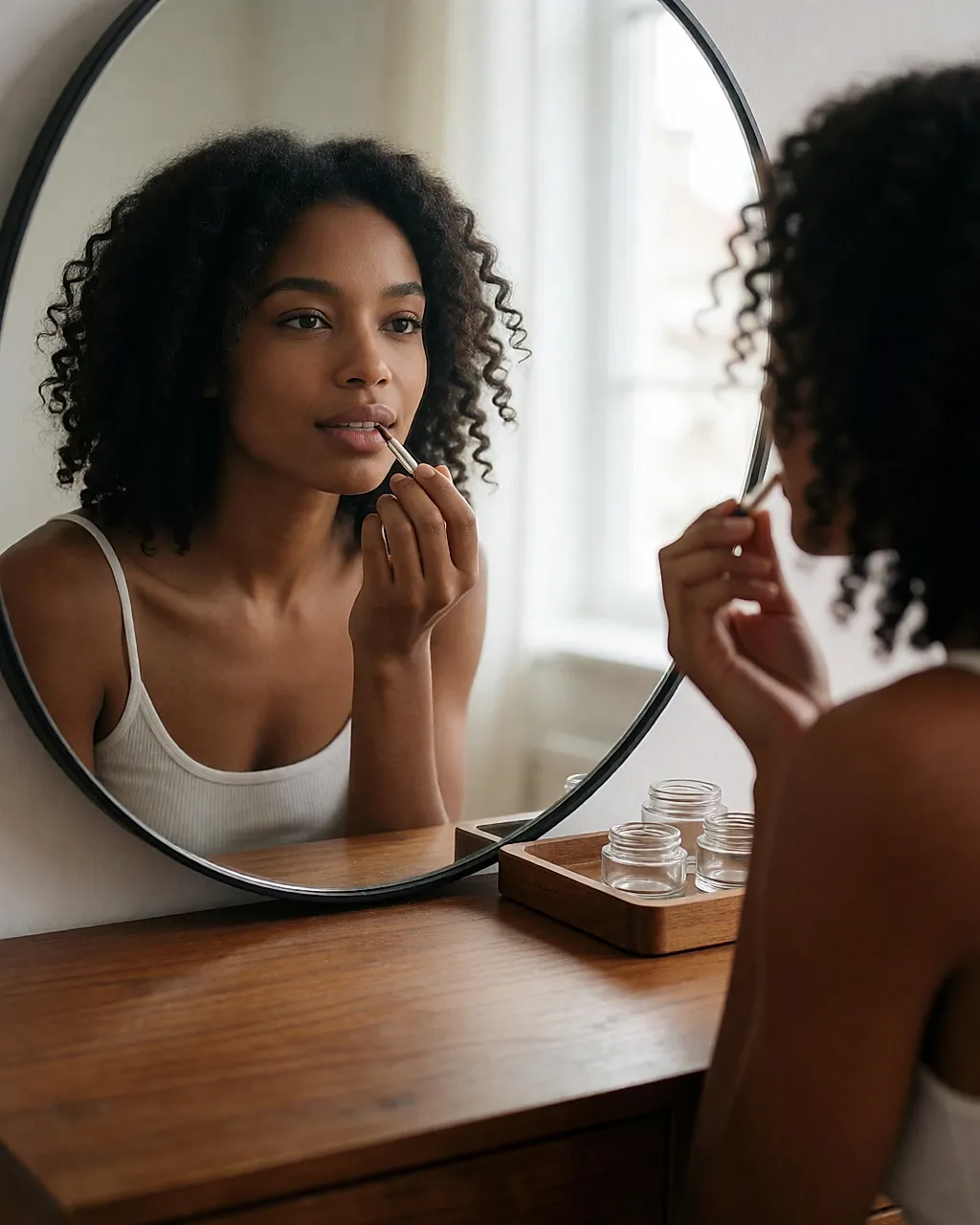
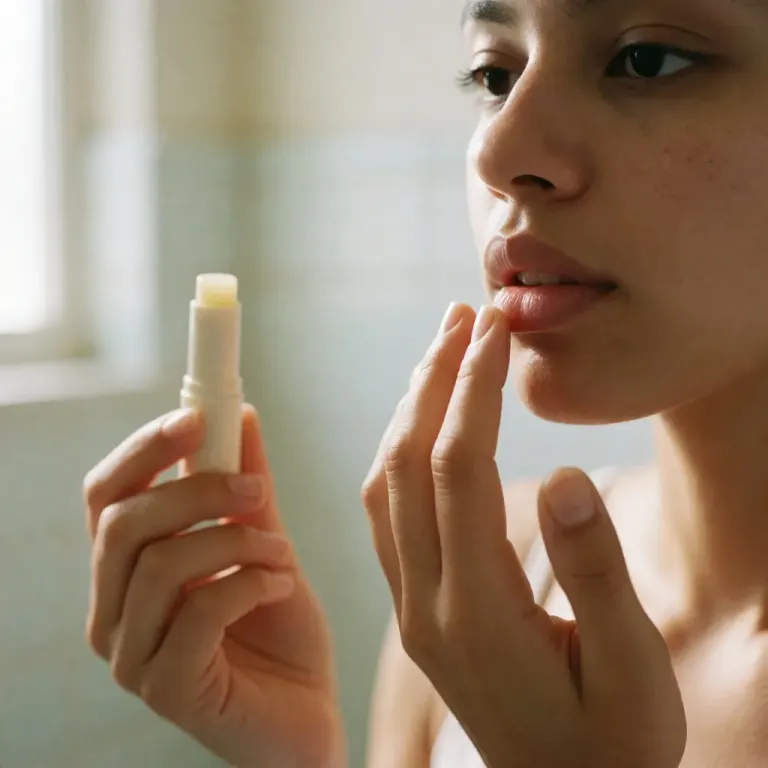
Apply the product to the centre of your lower lip, then blend out to the corners with your fingertip, lips slightly pressed together. Keeping the shine concentrated in the middle gives a plump effect without bleeding outside the lip line. To avoid clumping, blot once with a tissue before applying a second layer.
Budget
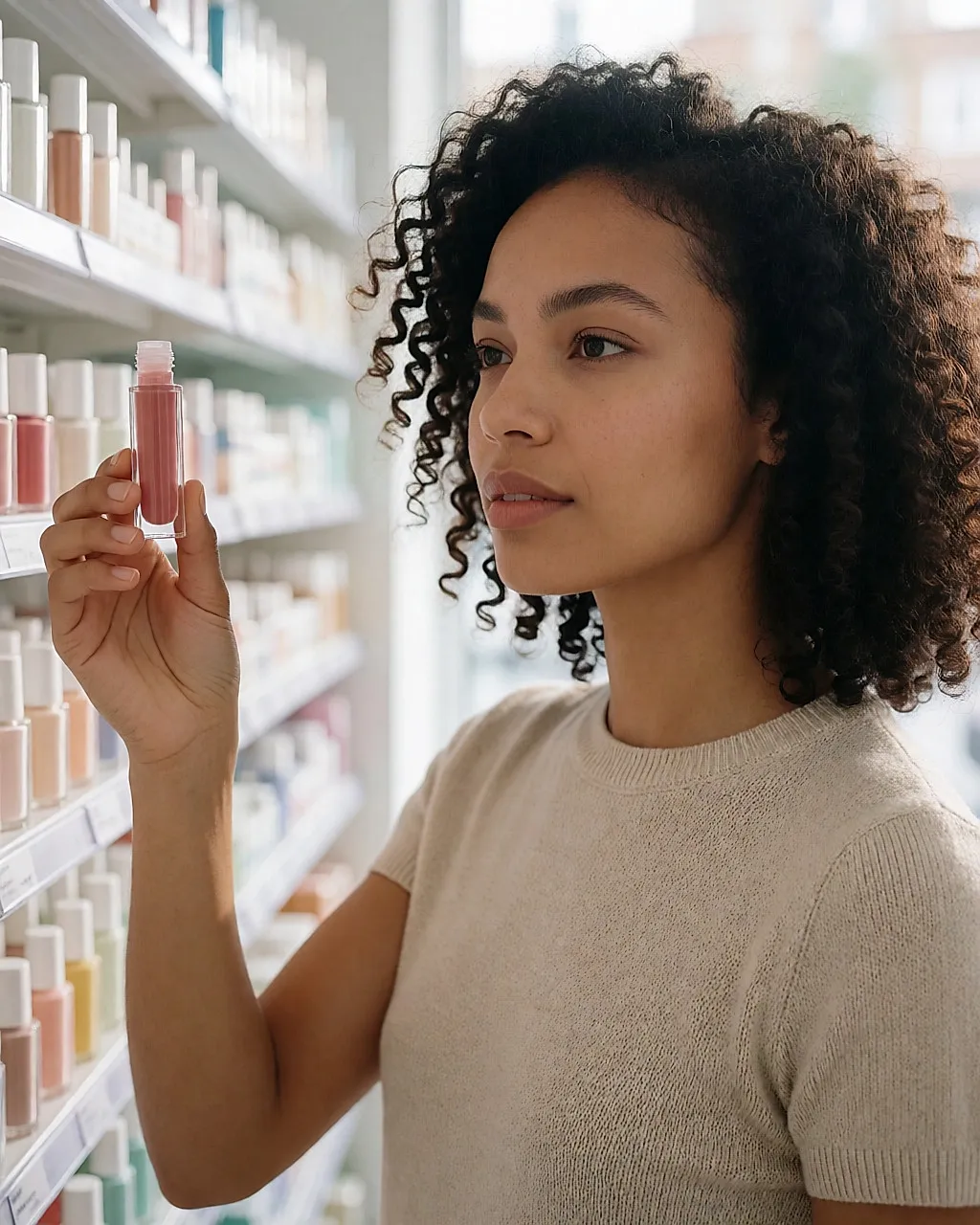
Prices vary enormously depending on where you buy and what you're really looking for. Expect about £3.50–9 for a simple gloss in a supermarket or online, £10–22 for a branded lip oil in a department store beauty hall or pharmacy, and £22–39 for a skincare-led formula, with a glass container or a refill available.
What changes the price? The city and the sales channel, the format (mini, full size, refill), the range, and whether it contains skincare actives rather than simple shine. On the natural side, the Cosmos Organic label sets a minimum share of naturally derived and organic ingredients and regulates processing methods: it's a more reliable marker than a 'natural' claim printed on the packaging. A very good conventional gloss exists too — just remember you're not paying for the same thing when you buy a finish versus a treatment.
Where to buy it? Supermarkets and beauty halls for trying in person, pharmacies and independent brands for shorter formulas, online for refills and minis. While you're there, check whether the brand offers a refill: it's often the best compromise between price and packaging.
No gloss makes it through a sandwich. If a twelve-hour wear promise catches your eye on the shelf, remember that in real life you're looking at two to three hours, and accept that you'll need to touch up after coffee. That's not a flaw: it's the very nature of a glossy finish.
The most reliable test is still your own: apply it, drink a glass of water, talk for five minutes. If it's still there without you thinking about it, you've found the right one. And remember one thing — a gloss you can't feel is a gloss you'll reapply; that's often the detail that marks out the one that will never leave your make-up bag.
Sources
- Regulation (EC) No 1223/2009 of the European Parliament and of the Council on cosmetic products (as retained in UK law), EUR-Lex.
Comments
Your opinion matters: rate the article, react and reply to comments.
Comments are moderated; AI-assisted comments are flagged. Text emoticons (8-), :-), <3…) are automatically shown as images.