
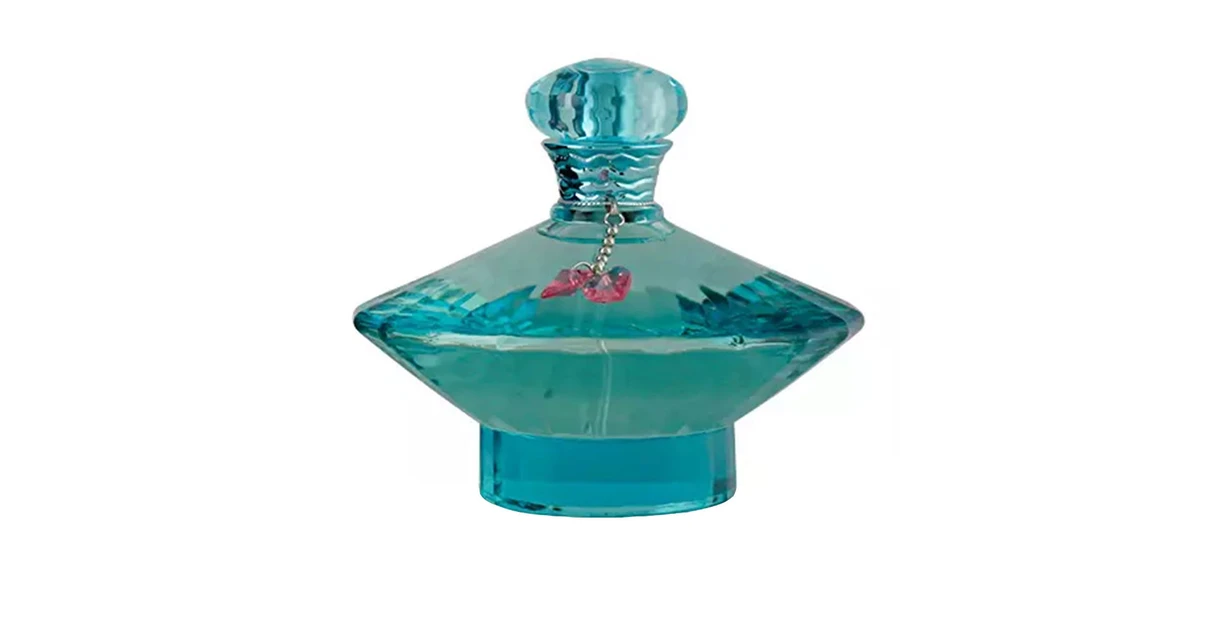
A celebrity perfume was once bought for the name etched on the bottle. A skincare line is bought again for what's inside the tube. Between the two lie twenty years and a shift in attention that happens to suit us: the face on the label is no longer the headline argument. You still need to know where to look before you reach for your card.
The age of the signed bottle
In the early 2000s, Glow by Jennifer Lopez (2002) and then Curious by Britney Spears (2004) set up a beautifully simple machine: a star lends her name, a big group makes the juice, the bottle does the rest. You were buying an autograph you could spray — and we did it, if only for the pretty photo on the dressing table.

The catch is that this product rarely gets bought twice. We switch, we're given one, we forget, we keep the empty bottle "for the look of it". An image economy runs on impulse: it doesn't need to keep you, only to get you through the door. Hence a great many bottles and very few second purchases.
A serum is a subscription in disguise
So what actually changed? The same kind of famous names came back with something else: Rhode, Hailey Bieber's line; SKKN by Kim, Kim Kardashian's; and a list of brands that grows every season. The hero product is no longer a bottle you show off between finger and thumb but a pump bottle you finish — and buy again.
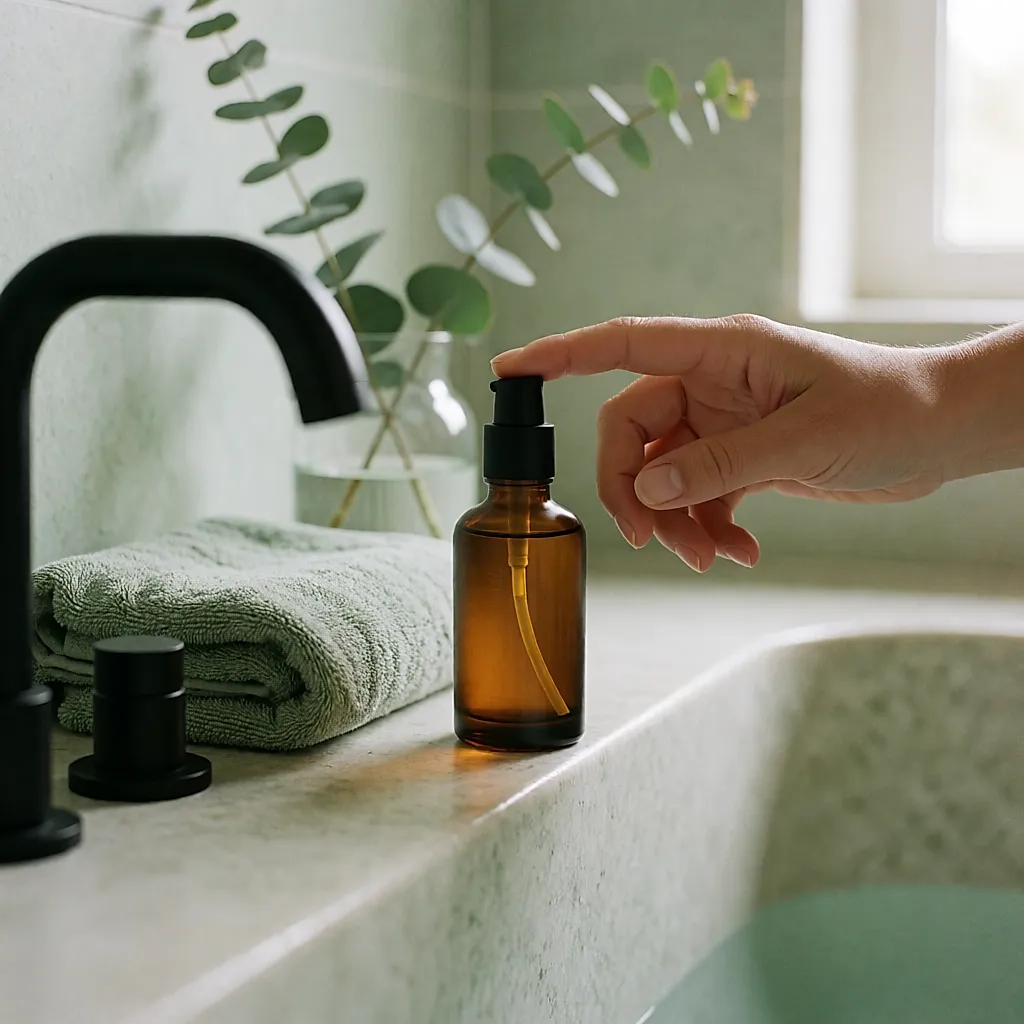
A serum, after all, runs out. The whole mechanism flips: the brand now has a vested interest in a texture you like enough to come back for. Hence the vocabulary that has turned up everywhere — peptides, squalane, hyaluronic acid and the little dermatological asterisk at the bottom of the ad. None of it is magic; it's commerce, and it works in our favour, because the formula becomes a claim you can check. In fairness, I haven't tried either of those two lines; I'm talking about what they put front and centre, not what they do to your skin.
Turn the box over before you look at the poster
The real shift happens at the point of sale. On a skincare box, look for the word Ingredients. The list gives you a sense of scale: the first ingredients are generally those with the biggest share of the formula, the last those present in the smallest amounts. Water at the top is common and no mystery. If the star ingredient from the advert sits right at the bottom, after the fragrance and the preservatives, that position suggests it's there in a small amount — present, but not necessarily at a concentration that could deliver the effect being sold to you.
Second reflex: the container. An opaque pump bottle protects a formula better than a wide jar you open every morning; a refill cuts plastic and often the cost. And is the hero ingredient even in there? That's the question worth asking before you commit. As for the face at the top of the label, it tells you who you're buying from, not what you're buying. Compare two products at the same price on their ingredient lists — you'll often be surprised by which one lists the ingredients you were actually looking for.
The five-minute test: turn the box over, read the first five ingredients, then the last five. Find the active the brand is pushing and see where it lands. As a rule, INCI order mainly tells you about the main ingredients (over 1%); anything under 1% can appear in any order, so an active's position alone won't tell you how well it works.
Budget
In the UK, expect roughly £25 to £45 for a serum from a celebrity line, £30 to £60 for a cream, and sometimes over £90 when the brand places itself in luxury territory. You'll find them on the brand's own site, in department-store beauty halls and at larger beauty retailers; some lines also turn up in pharmacies. The figure moves with the size, whether a refill exists and which range you're in — treat those numbers as a guide rather than a quote.
Do you have to pay it? Not necessarily. A celebrity line isn't automatically dearer than a good pharmacy brand, and sometimes it's the other way round. In practice, it often makes sense to put the money into the serum and stay sensible on cleanser. On packaging, favour glass or card, take the refill where there is one, and read "natural" as an evocation rather than a guarantee: without a recognised certification, it certifies nothing.
So next time a star holds out her serum, do the opposite of what you're supposed to do: ignore the smile and turn the box over. Five minutes, nothing spent, and that's usually where the real decision gets made.


Comments
Your opinion matters: rate the article, react and reply to comments.
Comments are moderated; AI-assisted comments are flagged. Text emoticons (8-), :-), <3…) are automatically shown as images.