

You come home, take off your shoes, and your calves suddenly weigh a tonne. It is not just your imagination: the blood that has to travel back up from your feet to your heart is struggling. This is called venous return, and when it goes wrong, your legs let you know, often by the end of the day.
What is happening in your veins
The principle is simple. Blood leaves the heart, travels down to the feet, then has to climb back up against gravity. To stop it slipping back down, veins contain small valves. When these become lazy, blood pools, the vein wall stretches, and veins become visible: first fine thread veins, then varicose veins. Heaviness, tingling and swollen ankles in the evening often follow the same path.
This is not only about appearance. Venous insufficiency that becomes established can, over the years, damage the skin on the leg. That is why it is worth addressing early, as prevention.
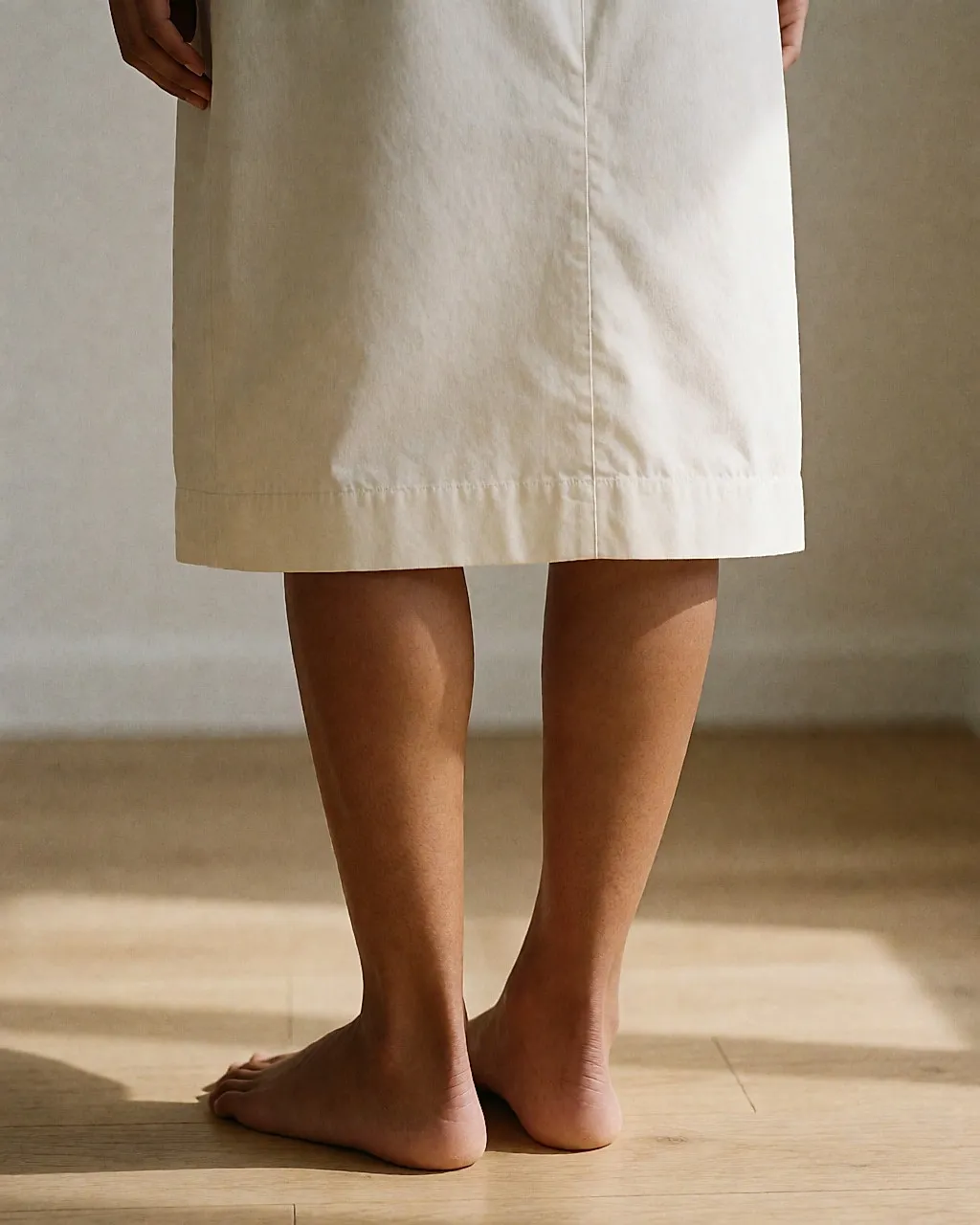
Who is affected
Heredity plays a big part: if your mother or grandmother has varicose veins, your veins are probably from the same stock. Add to that days spent standing or sitting still, pregnancies — the baby's weight presses on the veins in the pelvis and hormones relax the walls — being overweight, prolonged wearing of high heels and lack of physical activity. It is often several small factors adding up, rather than one single cause.

The habits that change daily life
Move, but wisely. Your calves are pumps: every contraction pushes blood upwards. Two to three sessions a week are enough to wake all that up. Swimming, aqua aerobics, cycling, walking or yoga are well tolerated. High-impact sports, running or tennis, are not banned, but it is best to continue only if your legs do not suffer the next day.
Elevate your legs. A pillow under the mattress at the foot, a footrest at your desk, ankles higher than hips in front of the TV. And if you stay sitting for a long time, get up every hour, or move your feet: rotations, pointing and flexing.
Be wary of heat. Hot baths, steam rooms, hot wax hair removal or long sun exposure dilate veins and slow circulation. Finish your shower with a cool jet of water on your legs, from bottom to top: the habit is simple and very pleasant in summer.
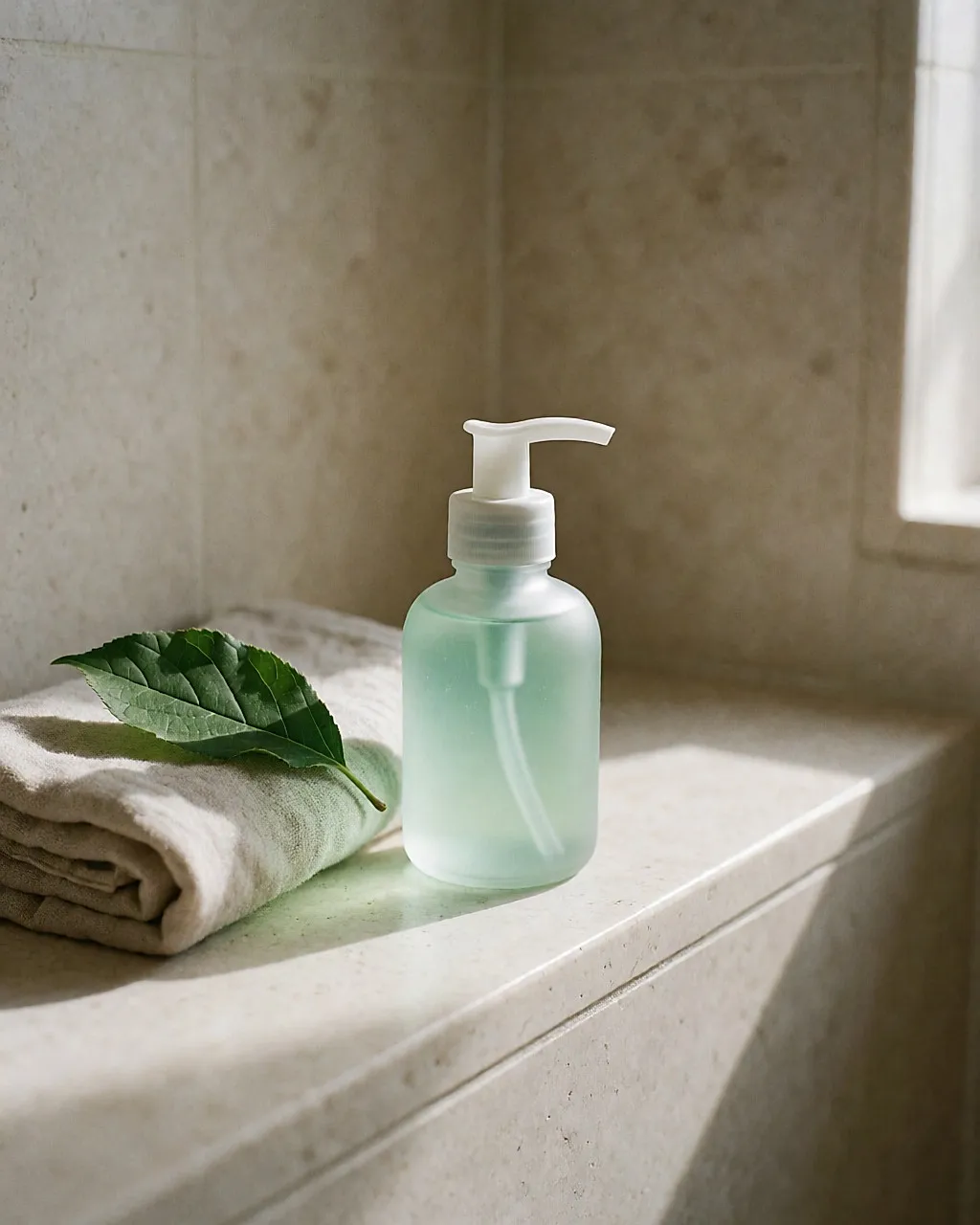
Tired-legs gel. Choose it for its texture and formulation — menthol, witch hazel, aloe — knowing that it mainly provides a cooling sensation. It does not replace compression or a doctor's advice. Apply it moving upwards, without pressing hard, legs elevated: two minutes of ritual is enough.
Compression, simply explained
Compression stockings and socks apply graduated pressure: stronger at the foot and ankle, gradually less as it goes up. This is what helps blood travel upwards. There are different compression classes, from light to strong; the lighter ones are often available over the counter in pharmacies, while stronger ones usually require a prescription.

The detail that changes everything: put them on in the morning, before you even put your foot on the floor. Size is based on ankle and calf circumference, measured with a tape measure, not your clothing size.
When to seek help without delay. If a leg suddenly swells, becomes hot, red and painful, or if you have difficulty breathing: seek urgent medical help — go to A&E or call 111 if you are unsure. A DVT cannot be ruled out. For heaviness that returns every evening, ask your GP about a referral to a vascular specialist. In practice: no self-medication, no remote diagnosis — speak to a healthcare professional.
Budget
- Tired-legs gel: expect around £7 to £18 in pharmacies, health and beauty stores or supermarkets, and up to around £22 for an organic formula certified by COSMOS Organic or Ecocert. The price rises with size and packaging — glass bottle or refill.
- Compression stockings or socks: expect around £13 to £35 per pair in pharmacies or orthopaedic shops for the lighter classes, and more for made-to-measure. If they are prescribed by the NHS, you may pay a prescription charge in England unless you are exempt; prescriptions are free in Scotland, Wales and Northern Ireland.
- Consultation: NHS GP appointments are free at the point of use. If you see a private GP, expect around £50 to £100 or more; private specialist fees are usually higher. NHS hospital care is free, though prescription charges may apply in England.
On the environmental side, let's be clear: there is no such thing as 'organic' compression wear. However, a well-cared-for pair — hand wash or 30°C, dry flat, no fabric softener — lasts longer, which limits purchases. Also look for textiles certified to OEKO-TEX Standard 100, which sets limits on harmful substances.
Sources
- NHS (nhs.uk) — varicose veins and compression stockings.
- National Institute for Health and Care Excellence (NICE) — varicose veins in the legs: diagnosis and management.
- World Health Organization (who.int) — 2020 guidelines on physical activity and sedentary behaviour.
- Circulation Foundation (circulationfoundation.org.uk) — information on chronic venous disease.



Comments
Your opinion matters: rate the article, react and reply to comments.
Comments are moderated; AI-assisted comments are flagged. Text emoticons (8-), :-), <3…) are automatically shown as images.